Digital Safety & Citizenship: The Definitive Guide to Digital Safety for Kids NZ
Ensuring comprehensive digital safety for kids nz has become a paramount concern for parents, educators, and legal professionals across Aotearoa in an increasingly hyper-connected society. As children migrate more of their social and educational lives online, the intersection of New Zealand family law, healthcare recommendations, and educational mandates creates a complex landscape that requires expert navigation. This guide serves as the authoritative resource for understanding the legal protections, psychological safeguards, and pedagogical frameworks that define digital citizenship in the New Zealand context.
Table of Contents
- The Evolving Landscape of Digital Safety for Kids NZ
- Navigating the Legal Landscape: Digital Safety for Kids NZ and the Law
- The Role of New Zealand Schools in Digital Citizenship
- Healthcare Perspectives: Managing the Impact of Digital Environments
- Practical Strategies for Families and Caregivers
- Resources and Reporting Mechanisms in Aotearoa
- Conclusion and Key Takeaways

The Evolving Landscape of Digital Safety for Kids NZ
In the last decade, New Zealand has seen a seismic shift in how minors interact with technology. From the widespread adoption of ‘Bring Your Own Device’ (BYOD) policies in primary schools to the ubiquitous nature of social media, the risks and opportunities have expanded exponentially. For those seeking digital safety for kids nz, the challenge is no longer just about filtering content but about fostering ‘digital resilience’—the ability of a child to recognize, manage, and recover from online risks.
The term ‘Digital Citizenship’ encompasses more than just safety; it involves the ethical, legal, and social behaviors associated with online life. In New Zealand, this is grounded in the values of respect, empathy, and responsibility. However, the dark side of this connectivity includes cyberbullying, predatory grooming, data privacy breaches, and the inadvertent exposure to age-inappropriate content. According to data from Netsafe NZ, the number of reported incidents involving harmful digital communications has risen steadily, highlighting the need for a unified approach from all sectors of society.
Navigating the Legal Landscape: Digital Safety for Kids NZ and the Law
New Zealand is a global leader in legislative responses to online harm. The cornerstone of digital safety for kids nz from a legal perspective is the Harmful Digital Communications Act 2015 (HDCA). This Act was specifically designed to provide a fast and effective means of redress for individuals who have been targeted by harmful digital content.
The HDCA is built upon ten core communication principles that every digital citizen in NZ should understand. These principles state that a digital communication should not:
- Disclose sensitive personal facts about an individual.
- Be threatening, intimidating, or menacing.
- Be grossly offensive to a reasonable person in the position of the victim.
- Be indecent or obscene.
- Be used to harass an individual.
- Make false allegations.
- Contain a matter that is published in breach of confidence.
- Incite a person to send a message to cause harm.
- Incite a person to commit suicide.
- Denigrate a person by reason of their color, race, ethnic or national origins, religion, gender, sexual orientation, or disability.
For parents and legal guardians, the Harmful Digital Communications Act provides a pathway to seek help through Netsafe, which acts as the ‘approved agency’ to investigate and mediate complaints. If mediation fails, the District Court has the power to issue orders to remove content or publish corrections, ensuring that digital safety for kids nz is backed by the full force of the law.

The Role of New Zealand Schools in Digital Citizenship
The New Zealand Ministry of Education has integrated digital safety directly into the curriculum through the ‘Digital Technologies and Hangarau Matihiko’ (DT & HM) strands. Schools are no longer just providers of technology; they are the front lines of digital safety for kids nz education. The focus has shifted from a ‘lockdown’ mentality—where websites are simply blocked—to an education-led model where students learn the ‘why’ behind online safety.
Under the Education and Training Act 2020, school boards have a primary duty of care to ensure the physical and emotional safety of students. This extends to the digital realm. Key components of a school’s digital safety strategy include:
- Responsible Use Agreements (RUAs): Contracts signed by students and parents outlining the expected behaviors when using school-provided technology.
- Digital Literacy Training: Teaching students how to evaluate the credibility of online information and recognize misinformation.
- Cyber-Bullying Protocols: Clear procedures for reporting and responding to incidents that occur within the school community or impact student wellbeing.
- Data Privacy Management: Ensuring that student data collected by educational apps complies with the New Zealand Privacy Act 2020.
By fostering an environment where students feel safe to report issues without the fear of having their devices confiscated, schools play a critical role in the broader ecosystem of digital safety for kids nz.
Healthcare Perspectives: Managing the Impact of Digital Environments
From a healthcare and psychological perspective, digital safety for kids nz involves managing the physiological and mental health impacts of screen time. New Zealand healthcare professionals are increasingly seeing the symptoms of ‘digital burnout’ in children, including sleep deprivation, anxiety, and social isolation.
The Ministry of Health and pediatric experts emphasize several critical areas of concern:
- Circadian Rhythm Disruption: Exposure to blue light from screens before bed can inhibit melatonin production, leading to chronic sleep issues in developing brains.
- Dopamine Loops: Social media algorithms are designed to provide intermittent reinforcement, which can create addictive-like behaviors in children who lack mature impulse control.
- The ‘Comparison Trap’: Constant exposure to curated, idealized versions of other people’s lives can significantly damage the self-esteem of adolescents, leading to body dysmorphia and depression.
- Sedentary Behavior: Excessive screen time replaces physical activity, contributing to the growing rates of childhood obesity in New Zealand.
Healthcare providers advocate for a ‘balanced digital diet,’ where technology use is intentional and supplemented by offline physical activities and face-to-face social interactions. This holistic view is essential for maintaining the long-term digital safety for kids nz.

Practical Strategies for Families and Caregivers
While legislation and education provide the framework, the daily implementation of digital safety for kids nz happens within the home. Parents often feel overwhelmed by the pace of technological change, but several high-authority strategies can mitigate the majority of online risks.
1. Establishing a Family Digital Contract: This is a collaborative document that outlines the rules for device usage, including time limits, approved platforms, and the ‘no devices in bedrooms’ rule. When children are part of the rule-making process, they are more likely to adhere to the boundaries.
2. Implementing Parental Controls at the Network Level: Rather than just managing individual devices, parents can use router-level controls or software to filter content and set ‘internet-off’ times for the entire household. This provides a baseline level of protection against malicious websites.
3. Open Communication Channels: The most effective tool for digital safety for kids nz is a trusting relationship. Children should know that they can come to their parents with anything they’ve seen online, even if it was something they weren’t supposed to be looking at, without immediate punishment.
4. Modeling Good Behavior: Adults must lead by example. If parents are constantly on their phones during dinner or in the evening, children will emulate that behavior, regardless of the rules set for them.

Resources and Reporting Mechanisms in Aotearoa
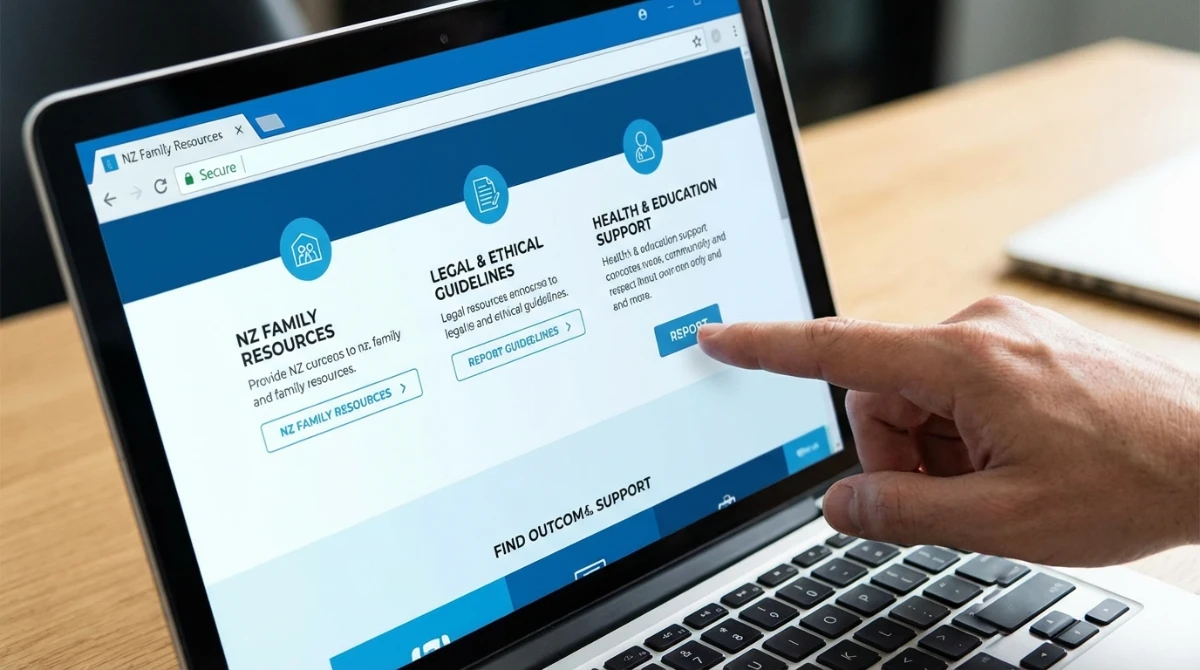
Knowing where to turn when things go wrong is a vital aspect of digital safety for kids nz. New Zealand has several world-class organizations dedicated to helping families navigate digital crises.
- Netsafe: The primary agency for reporting online bullying, abuse, and scams. They offer a free, confidential service to all New Zealanders.
- CERT NZ: While focused on cybersecurity, CERT NZ provides invaluable advice on protecting personal data and recovering from hacked accounts.
- The Police: If a situation involves immediate physical danger or the distribution of objectionable material (such as child exploitation material), the New Zealand Police should be contacted immediately.
- Youthline: For children and teens who are distressed by online interactions, Youthline provides counseling and support to manage the emotional fallout.
Early intervention is key. Many online issues escalate because victims feel ashamed or afraid to speak out. By normalizing the use of these reporting tools, we strengthen the safety net of digital safety for kids nz.
Conclusion and Key Takeaways
Achieving a high standard of digital safety for kids nz is a continuous journey rather than a one-time destination. It requires a synergistic approach that combines the legal protections of the Harmful Digital Communications Act, the educational initiatives of our schools, and the proactive involvement of parents and healthcare providers. By fostering an environment of digital resilience and open dialogue, we can ensure that the next generation of New Zealanders enjoys the benefits of the digital world while remaining protected from its inherent risks.
Key Takeaways for NZ Families:
- Legality: Familiarize yourself with the 10 Communication Principles of the HDCA to understand what constitutes illegal online behavior.
- Education: Engage with your child’s school regarding their digital citizenship policies and RUAs.
- Health: Prioritize ‘active’ screen time over ‘passive’ scrolling and enforce device-free zones, especially before bedtime.
- Reporting: Keep the contact details for Netsafe and CERT NZ accessible for immediate assistance.
- Culture: Shift the focus from surveillance to trust and education to build long-term digital resilience.