Child Health & Wellbeing: The Definitive Guide to nz pediatric health services, Law, and Education in New Zealand
Navigating the complex landscape of nz pediatric health services, educational frameworks, and family law is a primary responsibility for parents and guardians across Aotearoa. Ensuring that a child thrives involves more than just periodic medical check-ups; it requires a holistic understanding of how healthcare, legal protection, and educational support systems intersect to create a safety net for our tamariki (children). This guide provides an exhaustive analysis of the resources available to New Zealand families, ensuring that every child has the opportunity to reach their full potential within a supportive environment.
Table of Contents
- The Essential Role of nz pediatric health services in Early Development
- How to Access Specialist nz pediatric health services Across New Zealand
- The Healthcare Framework: From Well Child to Tertiary Care
- Navigating the NZ Education System: Learning Support and Resources
- Family Law and Child Protection: Understanding Your Legal Rights
- Supporting Mental Health and Neurodiversity in Youth
- Building an Integrated Care Plan for Your Family
- Conclusion and Key Takeaways
The Essential Role of nz pediatric health services in Early Development
Early childhood is the most critical phase for physiological and psychological development. Utilizing professional nz pediatric health services ensures that developmental milestones are monitored with scientific precision. In New Zealand, the emphasis is on ‘prevention and early intervention,’ a philosophy that underpins the entire public health sector. From the moment of birth, the health system is designed to wrap around the whānau (family) to provide continuous care.
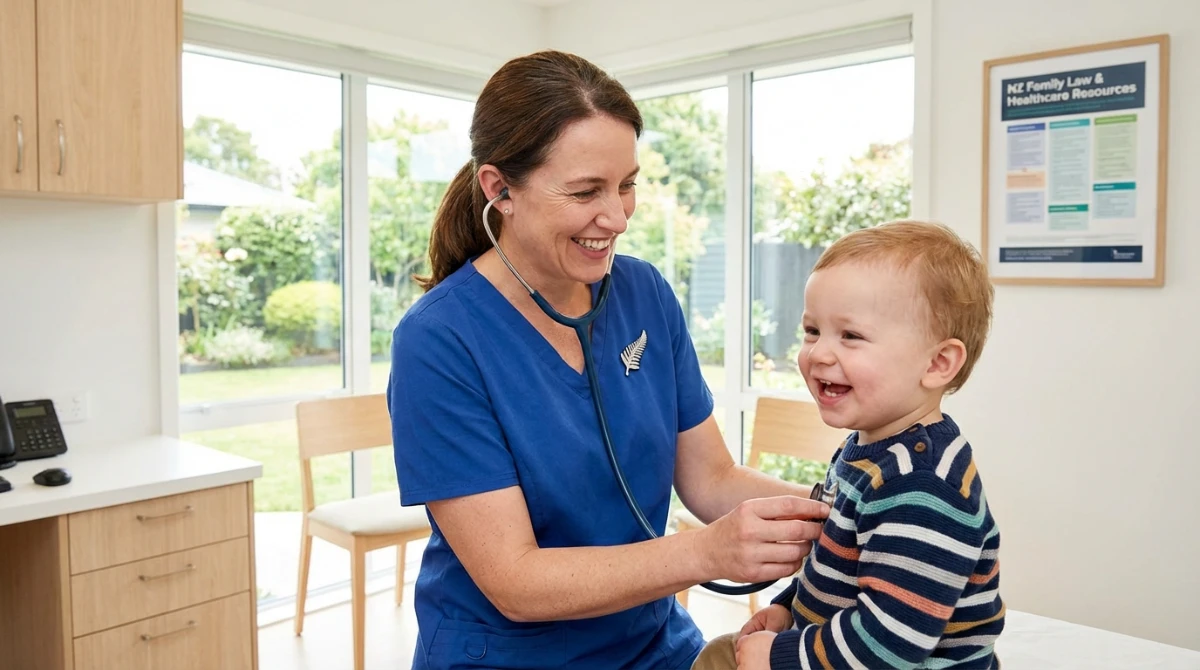
Pediatricians in NZ are not just doctors for sick children; they are developmental experts who specialize in the unique needs of growing bodies. They address issues ranging from congenital conditions to nutritional deficiencies and behavioral concerns. The integration of Māori health perspectives (Hauora) ensures that care is culturally responsive, acknowledging the importance of Taha Tinana (physical health), Taha Wairua (spiritual health), Taha Whānau (family health), and Taha Hinengaro (mental health).
How to Access Specialist nz pediatric health services Across New Zealand
Accessing specialized nz pediatric health services requires an understanding of the referral pathway within the Te Whatu Ora (Health New Zealand) infrastructure. Most families interact first with their local General Practitioner (GP). If a condition requires more than primary care, the GP initiates a referral to a specialist. For those seeking faster access or specific experts, the private sector offers a range of pediatricians, often covered by private health insurance.
- Primary Care: Your local GP or Community Health Center.
- Secondary Care: Regional hospitals and outpatient pediatric clinics.
- Tertiary Care: Specialized institutions like Starship Children’s Health in Auckland for complex surgical or medical needs.
- Community Services: Public health nurses and specialist community clinics focusing on asthma, diabetes, or developmental delays.
For more information on the structural organization of healthcare, you can visit the official Te Whatu Ora – Health New Zealand website. This resource provides detailed maps of services available in each district, ensuring that whether you are in Northland or Southland, you know where to turn for expert pediatric intervention.
The Healthcare Framework: From Well Child to Tertiary Care
The foundation of child health in New Zealand is the Well Child / Tamariki Ora program. This is a series of health visits and support for every New Zealand family from birth to five years. These visits are designed to ensure children are growing and developing as expected, and to support parents with the many challenges of child-rearing.
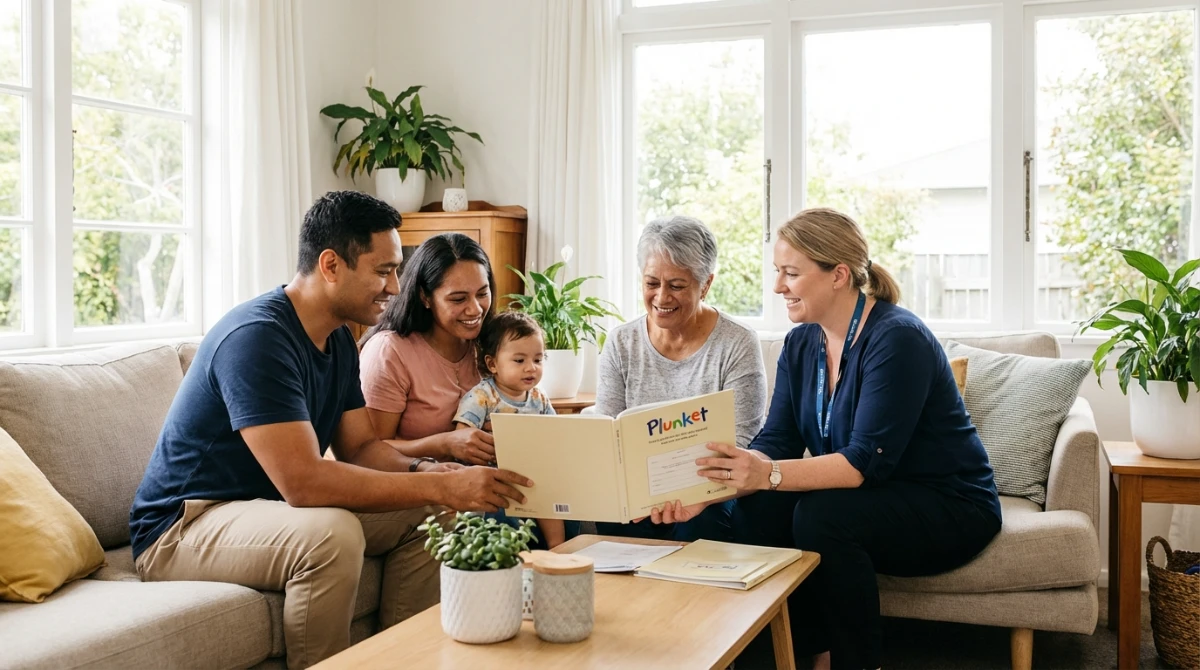
During these assessments, health professionals look at:
- Growth monitoring (weight, height, head circumference).
- Developmental milestones (movement, language, social skills).
- Immunization status and education.
- Oral health and nutrition.
- Vision and hearing screening (B4 School Check).
Beyond these routine checks, the system provides specialized support for chronic conditions. The pediatric oncology, cardiology, and neurology departments in New Zealand are world-class, often collaborating with international research institutions to provide the latest treatments. This ensures that nz pediatric health services remain at the cutting edge of medical science.
The National Immunisation Schedule
Immunisation is a cornerstone of the New Zealand public health strategy. The schedule is designed to protect children against serious diseases such as whooping cough, measles, mumps, and rubella. These vaccines are free and are typically administered at your GP clinic. Maintaining an up-to-date immunisation record is also vital for enrollment in many Early Childhood Education (ECE) centers and primary schools.
Navigating the NZ Education System: Learning Support and Resources
Education and health are inextricably linked. A child’s ability to learn is dependent on their physical and mental wellbeing. The Ministry of Education (MoE) provides a range of learning support services to ensure that every child, regardless of their physical or intellectual challenges, can access the curriculum.
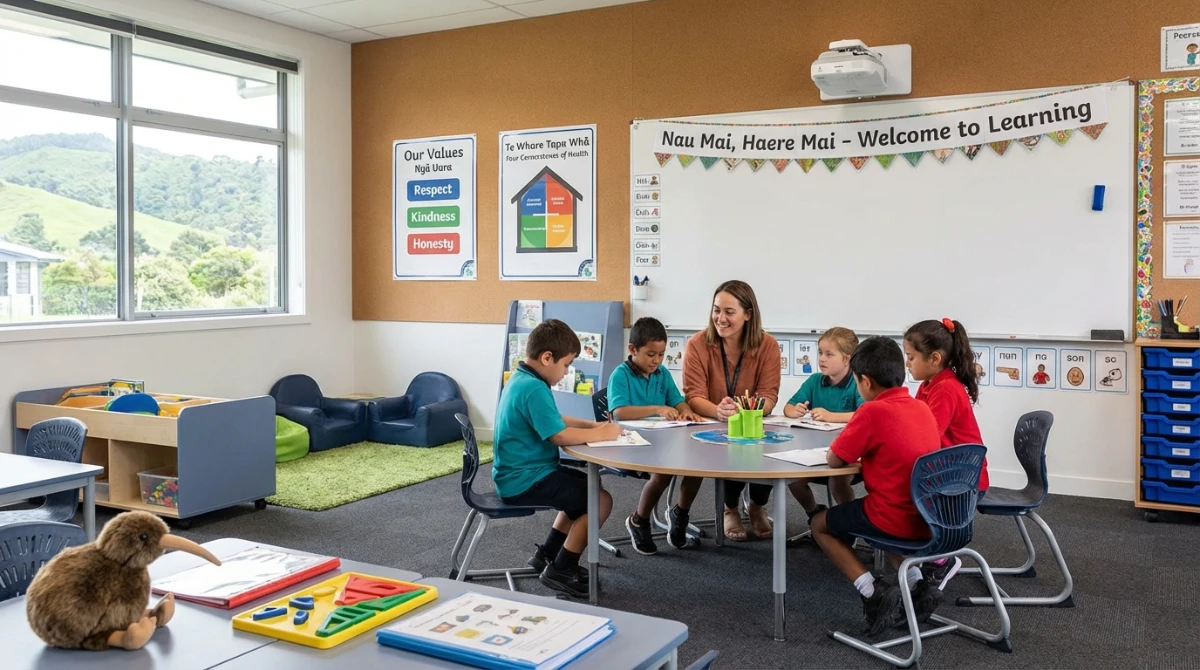
The Learning Support framework includes several key components:
- Learning Support Coordinators (LSCs): Based in many schools to help identify and manage the needs of students.
- Resource Teachers: Learning and Behaviour (RTLB): Specialist teachers who work with students and staff to address barriers to learning.
- Ongoing Resourcing Scheme (ORS): Funding for students with the highest level of need for special education.
- Speech-Language Therapy: Services provided within schools to help children with communication difficulties.
Parents should be proactive in discussing their child’s health needs with school administration. Individual Education Plans (IEPs) are often developed collaboratively between parents, teachers, and health professionals to ensure that the child’s health management—such as diabetes monitoring or physical therapy—is integrated into their school day.
Family Law and Child Protection: Understanding Your Legal Rights
The legal framework in New Zealand is designed to prioritize the “best interests of the child.” This principle is enshrined in the Care of Children Act 2004 and the Children’s Act 2014. These laws govern how decisions are made regarding a child’s care, protection, and upbringing, especially during parental separation or when a child’s safety is at risk.
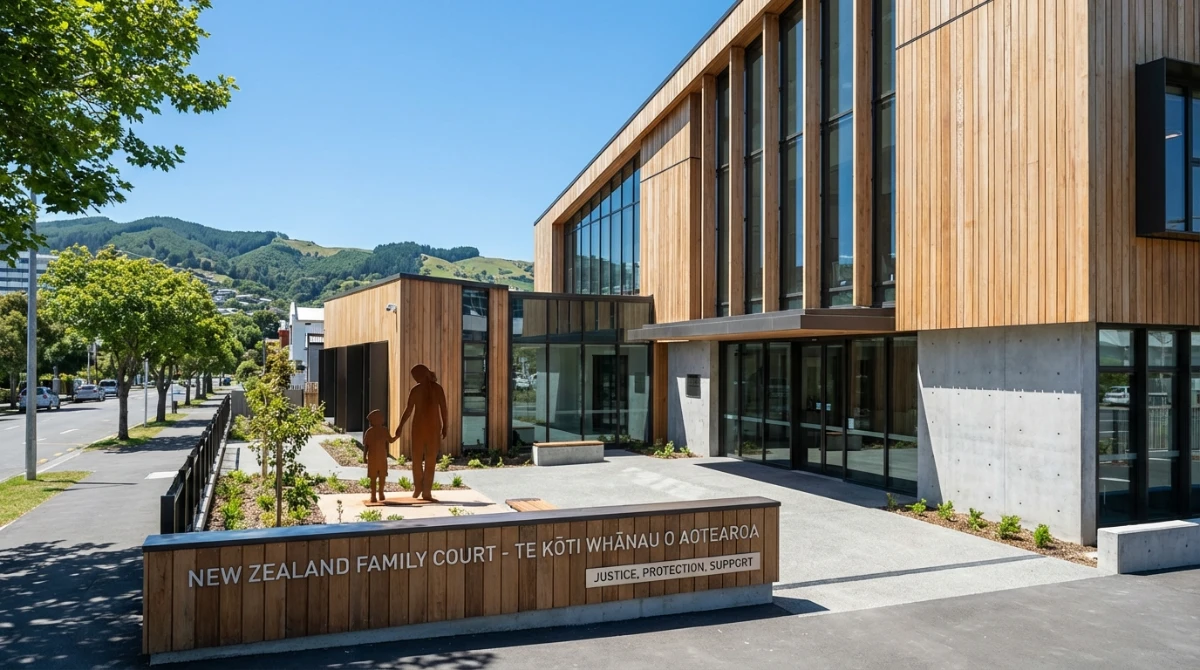
Key legal entities include:
- Oranga Tamariki (Ministry for Children): The agency responsible for supporting children at risk of harm and working with families to provide a safe environment.
- The Family Court: Handles cases related to custody (parenting orders), guardianship, and domestic violence.
- Lawyers for Child: Independent legal representatives appointed by the court to represent the child’s views and best interests.
The interface between law and nz pediatric health services often occurs in cases of medical neglect or when a child requires specialist care that is being withheld. The legal system ensures that a child’s right to healthcare is protected under the UN Convention on the Rights of the Child, to which New Zealand is a signatory.
Supporting Mental Health and Neurodiversity in Youth
In recent years, the focus of nz pediatric health services has expanded significantly to include mental health and neurodiversity. Services such as CAMHS (Child and Adolescent Mental Health Services) provide specialist assessment and treatment for young people experiencing moderate to severe mental health issues.
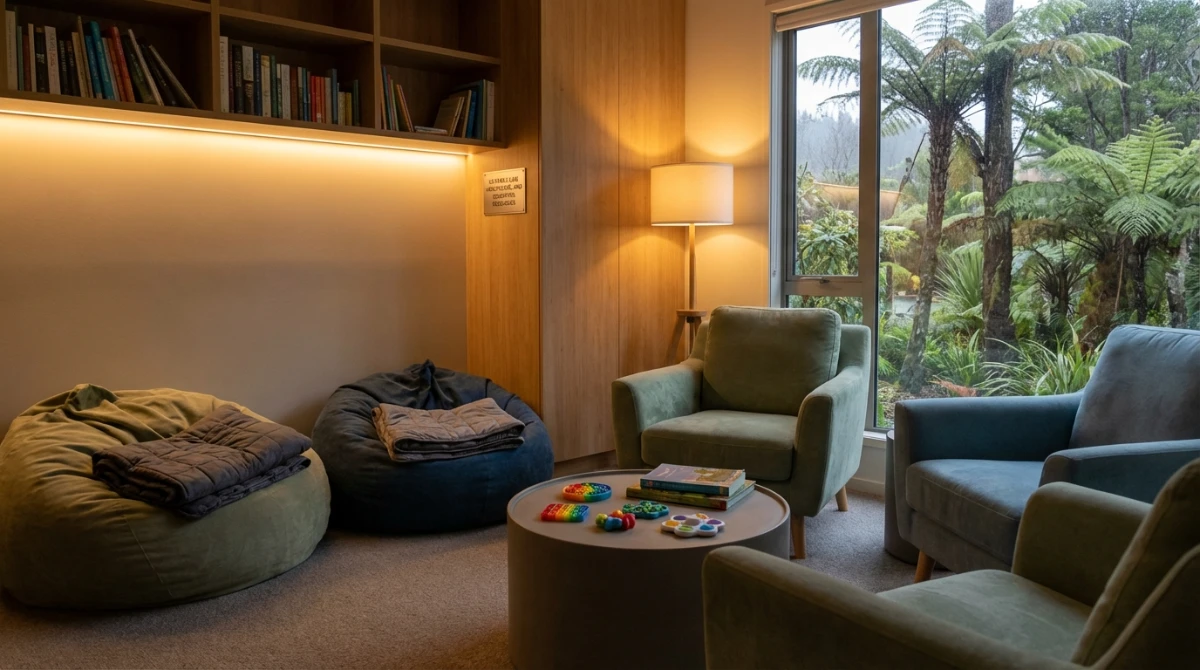
Neurodiversity—including Autism Spectrum Disorder (ASD) and ADHD—is increasingly recognized within both the health and education sectors. Diagnosis often involves a multi-disciplinary team, including pediatricians, psychologists, and speech therapists. Early diagnosis is key to accessing the right support in schools and at home. For a comprehensive overview of child health issues globally and how NZ compares, the Wikipedia page on Child health in New Zealand offers valuable historical and statistical context.
Building an Integrated Care Plan for Your Family
An integrated care plan is an essential tool for families dealing with complex health or educational needs. This involves bringing together all the stakeholders in a child’s life—pediatricians, teachers, social workers, and extended whānau—to create a unified strategy. This ensures that nz pediatric health services are not operating in a vacuum but are part of a wider support network.

To build an effective plan, families should:
- Maintain a central folder of all medical records and educational assessments.
- Schedule regular multi-disciplinary meetings (often called ‘Team Around the Child’ meetings).
- Ensure clear communication channels between the school’s Special Educational Needs Coordinator (SENCO) and the child’s pediatrician.
- Leverage community resources such as support groups for specific conditions (e.g., Diabetes NZ or Parent to Parent).
Conclusion and Key Takeaways
The wellbeing of children in New Zealand is supported by a comprehensive, though sometimes complex, network of services. By understanding how to navigate nz pediatric health services, leveraging the support within the education system, and knowing the legal protections available, parents can ensure their children receive the best possible care. The goal is always a healthy, happy, and educated generation of young New Zealanders who are equipped to contribute to the future of Aotearoa.
Key Takeaways for NZ Families:
- Early Intervention: Utilize the free Well Child / Tamariki Ora visits to catch developmental issues early.
- GP is the Gateway: Your local doctor is the primary point of contact for accessing all specialist nz pediatric health services.
- Education Rights: Schools are legally required to support children with additional needs; don’t hesitate to ask for an IEP.
- Legal Advocacy: The Family Court and Oranga Tamariki exist to ensure the safety and rights of every child are upheld.
- Holistic View: Health is not just physical; mental health and cultural identity (Hauora) are equally important for overall wellbeing.