Best Decile-Neutral School Reviews: The Definitive NZ Guide
Est. Read Time: 12 mins | Last Updated: 22 December 2025 01:21 AM
When searching for the best schools NZ reviews, modern parents are discovering that traditional academic rankings tell only half the story. To find the true performance of an educational institution, families must evaluate schools based on their Equity Index (EQI) performance, student well-being metrics, and Education Review Office (ERO) qualitative feedback rather than just NCEA level 3 pass rates. This approach ensures a holistic view of how a school supports every learner, regardless of their socio-economic background.
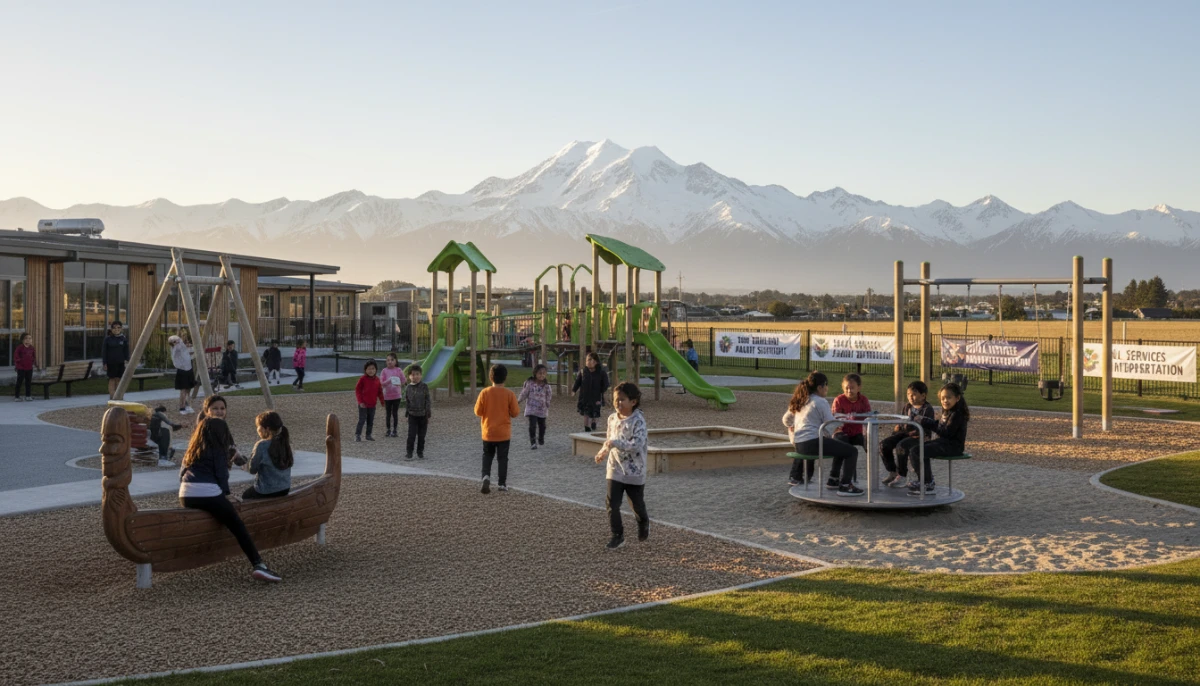
Aotearoa’s educational landscape has undergone a seismic shift. The old decile system often stigmatized schools in lower-income areas, while inflating the perceived value of schools in affluent zones. Today, the focus is on “value-added” education—how much a student progresses during their tenure at a school.
Why You Need Best Schools NZ Reviews in the Equity Index Era
The Equity Index replaced the decile system to provide a fairer funding model. This system looks at 37 different variables related to the students’ socio-economic environment. It is no longer about the average income of a neighborhood, but the specific needs of the student body.
When reading reviews, it is vital to check if the reviewer understands this nuance. A high-EQI school may have more funding and resources for social support, often leading to better pastoral care outcomes than a low-EQI school that relies solely on private donations.
“The Equity Index is a more refined tool that allows the Ministry to direct resources where they are most needed, ensuring that every child in New Zealand has a fair shot at success.” – Senior Education Analyst.

Critical Questions to Ask in Best Schools NZ Reviews
To identify a truly exceptional school, you should look for specific indicators mentioned in parental reviews and official reports. These include:
- ERO Report Quality: Does the report highlight “strong leadership” and “effective internal evaluation”?
- NCEA Progressions: Are students improving their results year-over-year?
- Cultural Competency: How does the school integrate Te Ao Māori and support Pasifika learners?
- Extracurricular Breadth: Is there a balance between sports, arts, and technology?
The Ministry of Education provides raw data, but the best reviews synthesize this with the lived experience of the community.
Regional Highlights: Best Schools NZ Reviews by Area
Auckland, Wellington, and Christchurch each offer unique educational ecosystems. For instance, Wellington schools often benefit from proximity to government institutions and a strong focus on civic education. Auckland schools, conversely, offer unparalleled diversity and international baccalaureate (IB) options.
- Wellington Central: High focus on arts and social justice.
- Auckland North Shore: Strong emphasis on academic excellence and sporting facilities.
- Canterbury: Resilience and community-focused learning environments.
For more detailed data, the Education Review Office website remains the gold standard for institutional transparency.
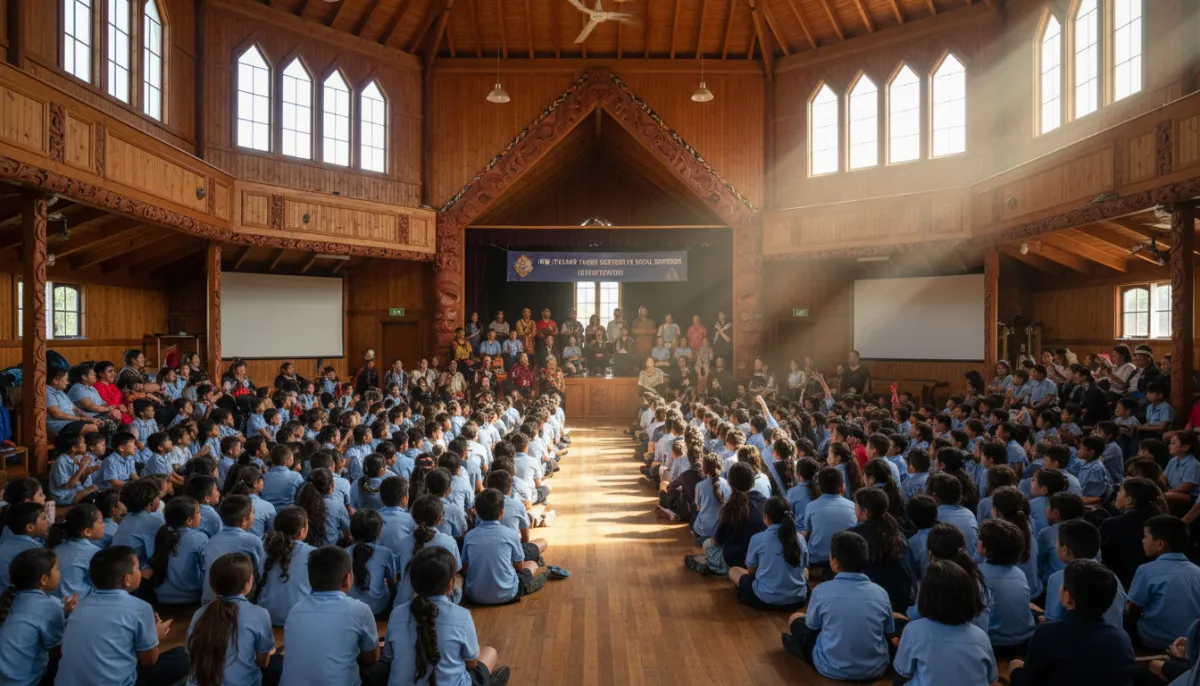
How to Spot Biased Reviews
Not all reviews are created equal. When browsing for the best schools NZ reviews, be wary of feedback that focuses solely on school buildings or the socioeconomic status of other parents. Genuine quality is found in the teacher-to-student ratio and the happiness of the student body.
Look for reviews that mention “inclusive environments” and “student voice.” These are indicators that the school values the individual journey of the child rather than just their exam scores.
Conclusion
Selecting the right school in New Zealand requires a shift in perspective. By moving away from decile-based thinking and embracing the Equity Index and qualitative ERO data, you can find a learning environment that truly fits your child’s needs. The best schools NZ reviews are those that look at the heart of the school—its people and its culture.
Key Takeaways:
- Ignore the old decile system; focus on the Equity Index (EQI).
- Prioritize Education Review Office (ERO) reports over marketing brochures.
- Look for schools with strong social service and family support integration.
- Evaluate the school’s commitment to cultural inclusivity and Te Tiriti o Waitangi.
- Consider the “value-added” progress of students, not just final grades.
Integration of Family Support and Social Services
A school is more than just a place for curriculum; it is a hub for family support. In New Zealand, the best-reviewed schools often have strong links to social services and health providers. This “wraparound” support is essential for students facing barriers to learning.
Check if the school provides access to Resource Teachers: Learning and Behaviour (RTLB) or has a robust Learning Support Coordinator (LSC) on staff. These roles are critical for neurodivergent learners and those requiring social-emotional guidance.