Autism Diagnosis Wait Times NZ
Est. Read Time: 12 mins | Last Updated: 22 December 2025 12:59 AM
Navigating autism diagnosis wait times NZ requires patience and strategic planning, as current statistics show that families may wait anywhere from 6 to 24 months for a public neurodevelopmental assessment through Te Whatu Ora (Health New Zealand), depending on regional demand and clinical urgency. Understanding the pathway from initial GP referral to the final diagnostic report is crucial for New Zealand families seeking clarity for their tamariki (children).
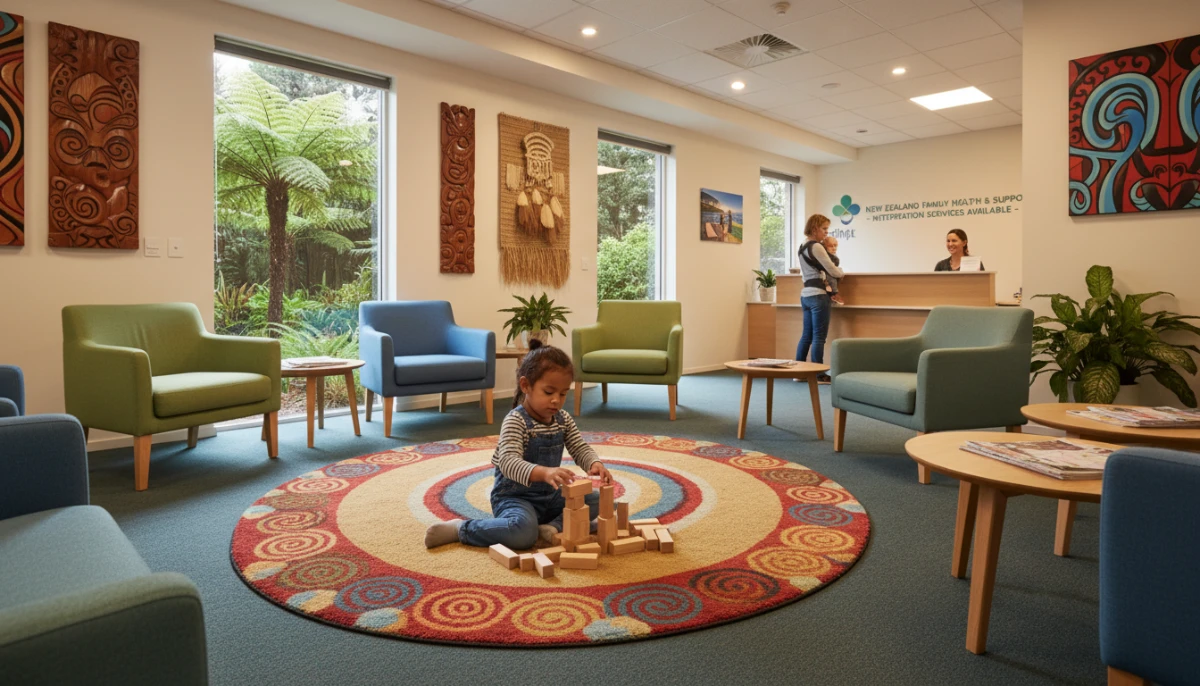
Understanding Autism Diagnosis Wait Times NZ
The landscape of neurodiversity in Aotearoa has shifted significantly over the last decade. More parents are recognizing early signs of Autism Spectrum Disorder (ASD), leading to a surge in referrals.
In the public health system, waitlists vary by region. For instance, families in Auckland or Canterbury might face different timelines compared to those in Northland or the West Coast.
A standard assessment usually involves a multidisciplinary team. This includes developmental paediatricians, psychologists, and speech-language therapists who collaborate to provide a comprehensive profile of the child.
- Public assessments are free but have longer waitlists.
- Clinical priority is given to children with high-risk safety concerns.
- Referrals are processed through local Child Development Services.
It is important to remember that a long wait does not mean your child cannot access support. School-based support often begins before a formal medical diagnosis is finalized.
Why are autism diagnosis wait times NZ so long?
Many factors contribute to the current bottleneck in the New Zealand health system. One primary driver is the global shortage of specialized healthcare professionals.
New Zealand faces specific challenges in recruiting developmental paediatricians and clinical psychologists. This shortage is felt most acutely in provincial areas outside of the main urban centers.
Additionally, the assessment criteria have become more thorough. Clinicians now spend more time ensuring that every aspect of a child’s developmental profile is captured accurately to ensure the best long-term outcomes.

“The goal isn’t just a label; it is understanding a child’s unique way of interacting with the world. While wait times are frustrating, the integrity of the diagnostic process remains our priority.” – Senior Clinical Lead, Whaikaha.
Increased awareness has also played a role. As educators and parents become better at spotting neurodivergent traits, the volume of referrals has outpaced the growth of the clinical workforce.
How to navigate the Te Whatu Ora assessment process?
The journey usually begins at your local General Practice. Your GP acts as the gatekeeper, gathering initial evidence to send to the specialists.
When you visit your GP, bring along reports from daycare teachers or school SENCOs (Special Education Needs Coordinators). These documents provide essential context about how the child functions in social environments.
Once the referral is accepted, your child is placed on the waitlist. You will receive a letter confirming that they are in the system, though an exact date is rarely provided initially.
- Maintain regular contact with your GP to update them on any changes.
- Document specific behaviors or challenges in a diary format.
- Liaise with the Ministry of Education for early intervention support.
External links to authority sources like Ministry of Health NZ and Whaikaha – Ministry of Disabled People offer more detailed regional breakdowns of services.
What are the costs of private autism assessments in New Zealand?
To bypass the long autism diagnosis wait times NZ public sector, many families opt for private clinics. This path significantly reduces the wait, often down to a matter of weeks.
However, the financial cost can be a barrier for many. A full assessment in the private sector typically costs between $2,000 and $4,500 NZD.
It is vital to ensure that your private clinician is recognized by both Whaikaha and the Ministry of Education. This ensures that the private diagnosis will be accepted for future funding and school support.
- Initial consultation fees: $400 – $700.
- Diagnostic testing (ADOS-2/ADI-R): $1,200 – $2,500.
- Final report and feedback session: $400 – $800.
Check if your health insurance policy covers neurodevelopmental assessments. Some premium plans in New Zealand provide partial coverage for clinical psychologists.
Support Services and LSI Resources
Waiting for a diagnosis can be an emotionally taxing period for any whānau. It is important to remember that support is available regardless of a formal diagnosis.
Organizations like Altogether Autism and Parent to Parent provide invaluable resources. They offer workshops, support groups, and information sheets tailored to the NZ context.
Early intervention services through the Ministry of Education can also be triggered if a child has significant needs, even while they are on the medical waitlist for ASD.
- Apply for the Disability Allowance if eligible through Work and Income.
- Contact your local ‘Explore’ specialist service for behavioral support.
- Join online Kiwi communities for neurodivergent families for peer advice.
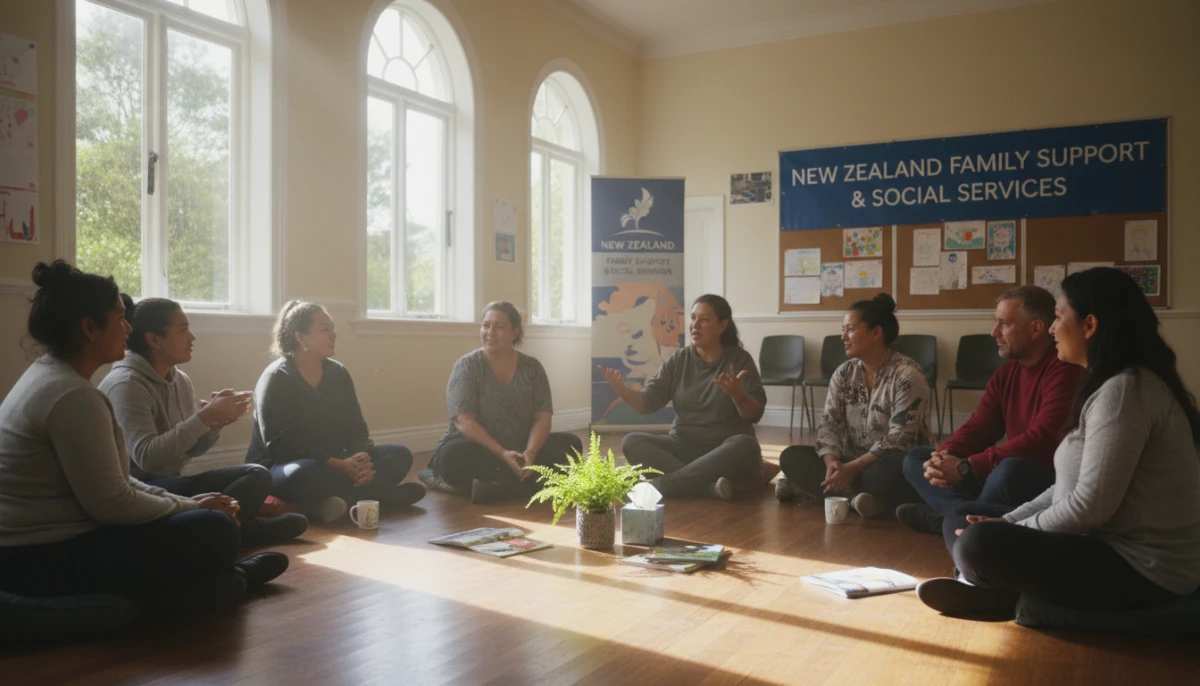
Utilizing terms like neurodiversity, tamariki, ASD assessment, developmental paediatrics, and Whaikaha helps in finding the right local resources.
Conclusion & Key Takeaways
Managing expectations regarding autism diagnosis wait times NZ is the first step in a successful diagnostic journey. By staying proactive and utilizing both public and private resources where possible, families can ensure their children receive the care they deserve.
Key Takeaways:
- Public wait times currently range from 6 to 24 months across New Zealand.
- Referrals must go through a GP to the local Child Development Service.
- Private assessments cost between $1,800 and $4,500 but offer faster results.
- Support from the Ministry of Education can often start before a medical diagnosis.
- Keep detailed records of your child’s development to assist clinicians.