Applying for High-Use Health Card: The Complete New Zealand Guide
Est. Read Time: 9 mins | Last Updated: 22 December 2025 01:32 AM
To apply for high-use health card (HUHC) in New Zealand, you must demonstrate a consistent need for medical attention, specifically having visited your General Practitioner (GP) or health provider at least 12 times in the previous 12 months for non-accident-related chronic conditions. This card acts as a vital financial safety net, reducing the cost of doctor consultations and prescription fees for Kiwi families managing long-term health challenges through Health New Zealand (Te Whatu Ora) subsidies.
How to Apply for High-Use Health Card: Understanding the System
In the New Zealand healthcare landscape, the High Use Health Card (HUHC) is designed specifically for individuals who are frequent users of primary healthcare services. Unlike the Community Services Card, which is income-tested, the HUHC is based entirely on the frequency of medical visits.

The system is managed by Te Whatu Ora and serves to lower the barrier for those requiring intensive medical management. Whether you are dealing with chronic respiratory issues, diabetes, or mental health needs, the HUHC ensures that the financial burden of frequent consultations does not prevent you from seeking necessary care.
Who is eligible for a High Use Health Card in New Zealand?
Eligibility is strictly monitored and based on clinical evidence rather than financial status. To qualify, you must meet the following criteria:
- You have visited a health professional 12 or more times in the last 12 months.
- The visits must be related to an ongoing medical condition (not ACC-related injuries).
- Consultations must be with a GP or a nurse at the practice where you are enrolled.
- You must be a New Zealand resident or citizen.
“The HUHC is a critical pillar of our primary health care strategy, ensuring that patients with high clinical needs are not marginalized by the cost of frequent doctor visits.” — Dr. Simon Henare, Public Health Specialist.
How many doctor visits do I need to apply for high-use health card?
As mentioned, the magic number is 12. These visits are calculated on a rolling 12-month basis. It is important to note that these visits must be “consultations” where a fee was charged or a clinical service was provided. Phone consultations may count if they are recorded as official clinical events in your patient portal.
The Application Process
Applying for the card is not something you do in isolation; it requires a partnership with your primary health organization (PHO). Follow these steps:
- Verify your records: Ask your GP receptionist for a printout of your visits over the last year.
- Consult your Doctor: Your GP must sign the application form to certify that the visits were for a legitimate, ongoing health condition.
- Submission: The medical practice usually submits the application on your behalf to the Ministry of Health (Health New Zealand).
- Verification: The Ministry verifies the claim against their database of healthcare events.
The card is typically valid for one year, after which you must re-apply if your condition still necessitates frequent visits. This ensures the subsidy is directed to those currently in need.
What benefits does the High Use Health Card provide?
The primary benefit of the HUHC is the reduction in cost for both visits and prescriptions. This is essential for managing a household budget when chronic illness strikes. Benefits include:
- Reduced Consultation Fees: A government subsidy is paid directly to your GP, which should result in a lower out-of-pocket cost for every visit.
- Prescription Subsidies: Cardholders often pay less for standard prescription items at pharmacies.
- After-Hours Care: Some after-hours clinics also offer reduced rates for cardholders, though this varies by region.
For more detailed information on current subsidy rates, visit the Ministry of Health NZ website or check your local PHO guidelines.

HUHC vs. Community Services Card
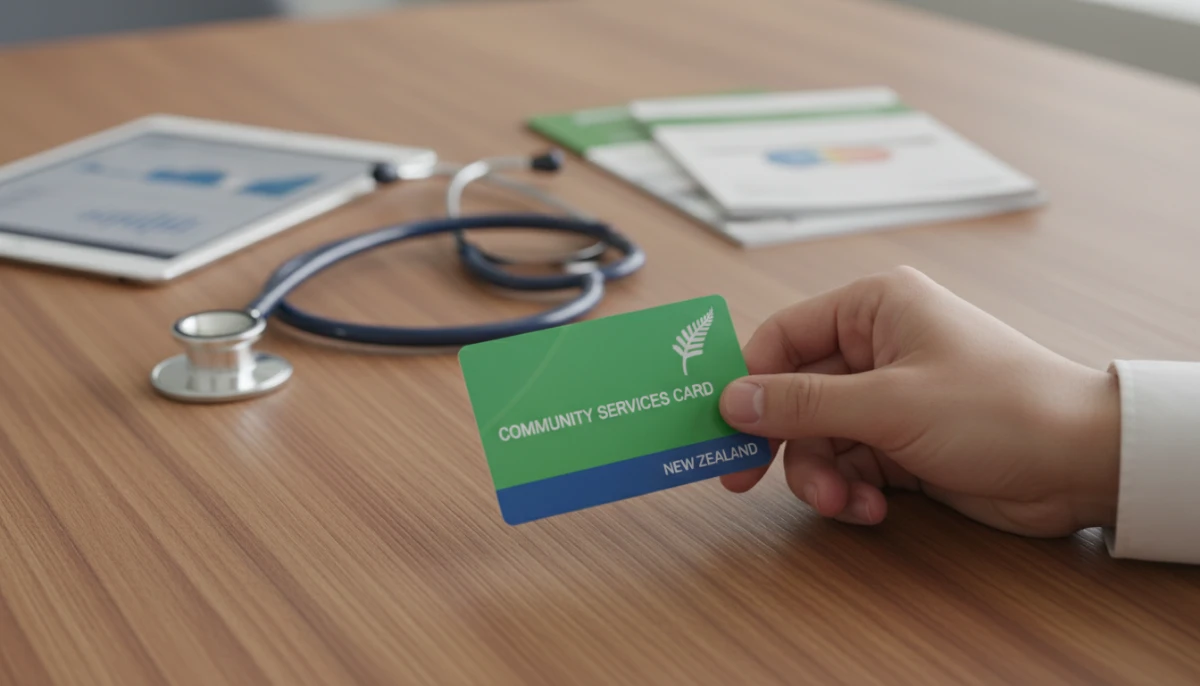
Many New Zealanders confuse the High Use Health Card with the Community Services Card (CSC). While both offer subsidies, their triggers are different. The CSC is managed by Work and Income (WINZ) and is based on your income and family size. You can hold both cards simultaneously, but you will only receive the benefit of the card that offers the higher subsidy at any given time.
| Feature | High Use Health Card (HUHC) | Community Services Card (CSC) |
|---|---|---|
| Criteria | 12+ doctor visits in 12 months | Low-to-middle income level |
| Management | Health New Zealand | Work and Income (MSD) |
| Valid for | 1 Year | Up to 3 Years |
Expert Tips for Successful Application
Managing the paperwork for health subsidies can be daunting. Here are three expert tips to ensure you don’t miss out:
- Track Your Visits: Use a health app or patient portal to keep an eye on your visit count. Don’t wait for the GP to tell you; advocate for yourself.
- Combine with Prescription Subsidy Card: If you collect more than 20 prescription items in a year (starting from February 1st), you may also be eligible for the Prescription Subsidy Scheme, which makes subsequent prescriptions free.
- Update Your Details: Ensure your PHO has your correct address, as the physical card will be mailed to you once approved.

High Use Health Card FAQ
Can I use the HUHC for my children?
Yes, children are eligible if they meet the 12-visit criteria. However, since most GP visits for children under 14 are already free in New Zealand, the HUHC is primarily beneficial for those aged 14 and over.
What happens if I change doctors?
Your visit history stays on your NHI (National Health Index) number. Your new GP can access this history to support your application to apply for high-use health card subsidies.
Does it cover specialist visits?
The HUHC is generally designed for primary care (GPs). While it may provide some leverage in the wider system, its main financial impact is at your local medical center and pharmacy.
Conclusion: Securing Your Healthcare Future
Navigating the New Zealand healthcare system requires proactive management. The High Use Health Card is a vital tool for those with significant medical needs, ensuring that the cost of care does not lead to health inequities. By monitoring your visits and working closely with your GP, you can secure the subsidies you are entitled to.
Key Takeaways:
- Eligibility requires 12 doctor visits within a 12-month period.
- The card is not income-tested; it is based purely on medical frequency.
- Your GP must facilitate the application via Te Whatu Ora.
- The HUHC reduces consultation fees and pharmacy costs.
- Renewals are required annually to maintain benefits.
About the Expert
Aroha Thompson is a Public Health Policy Analyst based in Wellington, New Zealand. With over 15 years of experience in the NZ health sector, she specializes in patient advocacy and navigating the complexities of Te Whatu Ora funding. Aroha has contributed to numerous white papers on healthcare accessibility for New Zealand families.