Māori Health Providers Northland: Connecting Your Whānau to Holistic Care
In the stunning landscapes of Northland, accessible and culturally appropriate healthcare is not just a service; it’s a foundation for strong, healthy communities. For many whānau, finding healthcare that truly understands and respects their cultural values is paramount. This is where Māori health providers in Northland play a vital, transformative role, offering services that go beyond mere medical treatment to embrace a holistic view of well-being.
If you’re seeking comprehensive, compassionate, and culturally informed healthcare for your family in Te Tai Tokerau, understanding what Māori health providers offer is your first step towards better health outcomes. This guide will illuminate the path to connecting with these essential services, ensuring your whānau thrives.
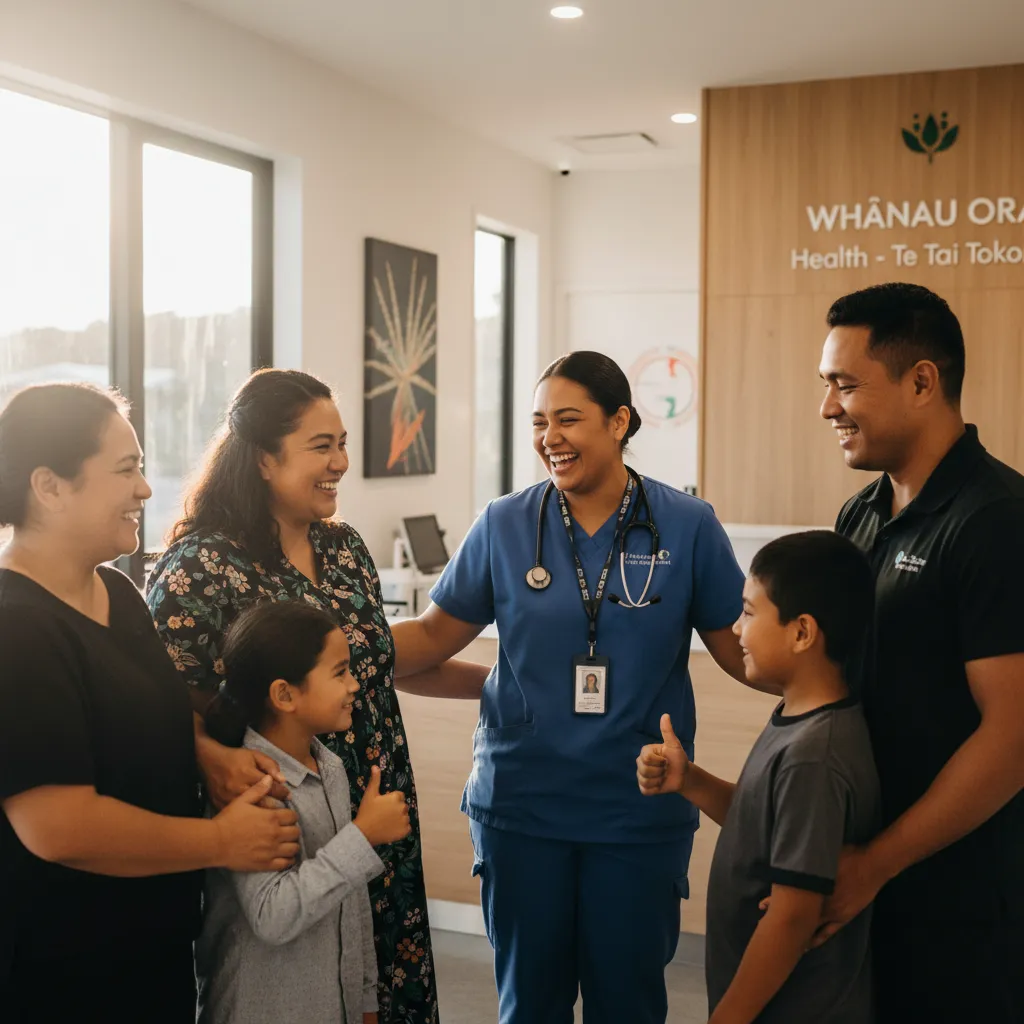
Table of Contents
What Are Māori Health Providers in Northland?
Māori health providers are community-based organisations in Northland (and across Aotearoa) dedicated to delivering health services that are grounded in Māori values, beliefs, and practices. Unlike conventional healthcare models, these providers often operate under the Whānau Ora framework, which views health holistically – encompassing physical, mental, spiritual, and family well-being (taha tinana, taha hinengaro, taha wairua, taha whānau).
In Northland, these providers are crucial for addressing historical inequities and ensuring that Māori communities receive care that is not only clinically excellent but also culturally affirming. They bridge the gap between traditional Māori healing practices and Western medicine, creating a unique and effective approach to health.
“Māori health providers offer a distinct advantage by delivering services through a kaupapa Māori lens, meaning they are designed by Māori, for Māori, ensuring cultural safety and relevance from the ground up.”
Diverse Services for Northland Whānau
Māori health providers in Northland offer a broad spectrum of services designed to meet the diverse needs of the community. These can include:
- General Practice and Primary Care: GP services, nurses, immunisations, and routine health checks.
- Whānau Ora Services: Navigators who support whānau to achieve their health and well-being goals holistically.
- Mental Health and Addiction Support: Culturally appropriate counselling, therapy, and recovery programmes.
- Maternal and Child Health: Antenatal care, well-child services, and Free Parenting Classes Christchurch.
- Chronic Disease Management: Diabetes, cardiovascular disease, and respiratory illness management with a whānau focus.
- Community Health Programmes: Health promotion, disease prevention, and outreach services tailored to local needs.

Key Benefits of Choosing a Māori Health Provider
Opting for a Māori health provider in Northland offers distinct advantages, particularly for Māori whānau, but also for anyone seeking a more holistic and community-centred approach to health.
1. Cultural Safety and Understanding
At the heart of Māori health services is cultural safety. This means healthcare professionals understand and respect your cultural identity, values, and practices, ensuring you feel safe, heard, and understood. This foundation of trust is crucial for open communication and effective care.
2. Whānau-Centred Approach
Māori health views the individual as part of a wider whānau. Care plans often involve and support the entire family unit, recognising that collective well-being contributes to individual health. This integrated approach fosters stronger family health outcomes.
3. Holistic Well-being (Hauora)
Beyond physical ailments, these providers address mental, spiritual, and social determinants of health. This comprehensive view, known as Hauora, ensures that all aspects of your well-being are considered, leading to more sustainable health improvements.
4. Community Connection and Support
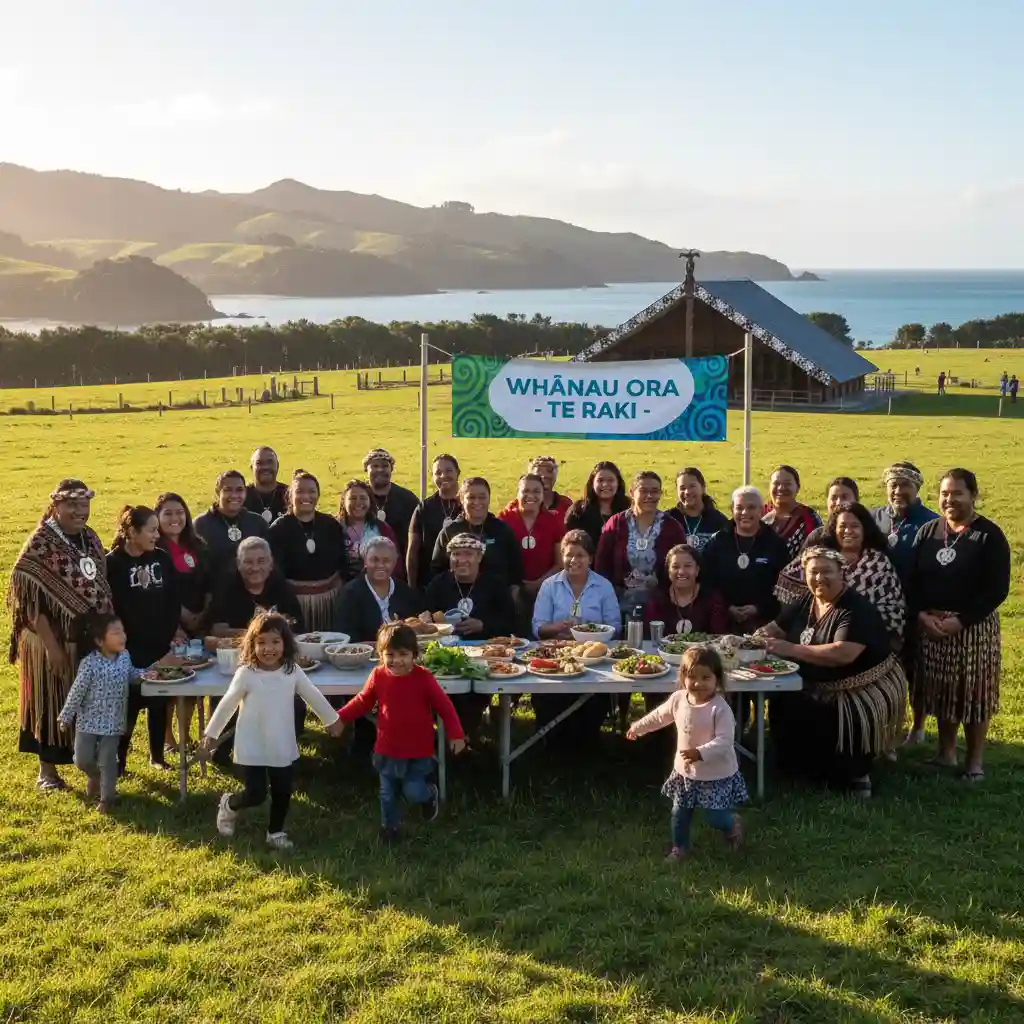
Many Māori health providers are deeply embedded within their local communities. They often offer community programmes, support groups, and opportunities for social connection, fostering a sense of belonging that is vital for mental and emotional health.
How to Connect with Māori Health Providers in Northland (Step-by-Step)
Finding the right healthcare provider for your whānau in Northland can feel daunting, but with a clear plan, it’s straightforward to access the culturally supportive services you need.
1. Identify Your Whānau’s Health Needs
Start by considering what kind of health support your whānau requires. Are you looking for a new GP, specific mental health services, support for chronic conditions, or general well-being guidance? Knowing your priorities will help you narrow down your search.
- Consider both individual and collective whānau health goals.
- Think about geographical convenience within Northland.
2. Research Local Providers and Services
There are several avenues to find Māori health providers in Northland:
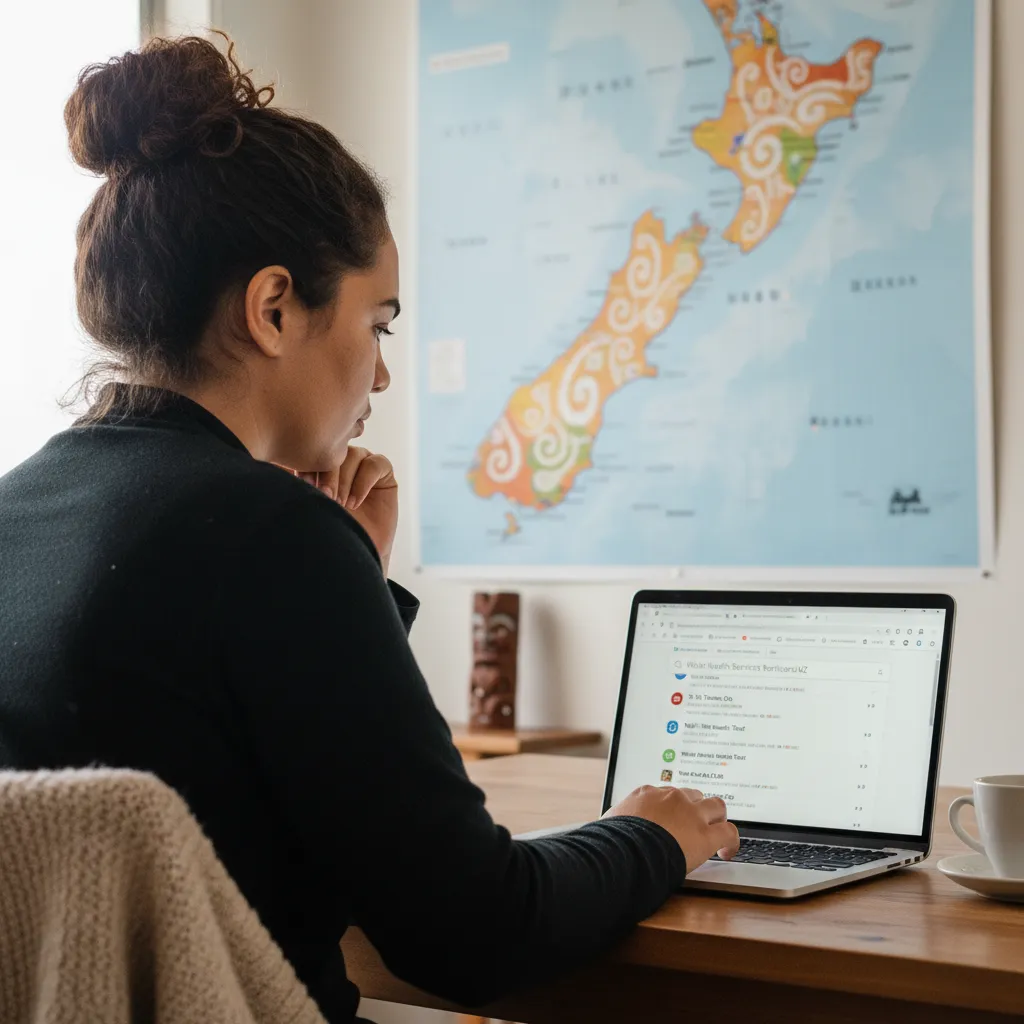
- Online Directories: The Ministry of Health website, local PHOs (Primary Health Organisations), and dedicated Māori health service directories often list providers.
- Word-of-Mouth: Ask friends, whānau, or community leaders for recommendations. Personal experiences can be invaluable.
- Local Iwi and Hapu Organisations: These groups often have strong connections to local health services and can guide you.
3. Contact and Inquire About Enrolment
Once you have a few potential providers, reach out to them. Ask about:
- Their specific services and programmes.
- Their enrolment process and any eligibility criteria.
- Their philosophy of care and how they integrate kaupapa Māori principles.
- Availability of Whānau Ora navigators.
4. Prepare for Your First Engagement
Before your first appointment or meeting, gather any relevant health records. Prepare questions you might have about the services, the team, and how they can support your whānau’s unique journey to well-being. Remember, this is about finding a partnership that works for you.
Conclusion
Māori health providers in Northland are more than just clinics; they are vital community hubs dedicated to fostering the holistic well-being of whānau. By offering culturally safe, comprehensive, and whānau-centred care, these providers empower individuals and families to take control of their health journeys in a way that resonates with their identity and values.
Embracing the services of a Māori health provider means choosing a path that respects your heritage, supports your entire family, and contributes to a healthier, stronger Northland. We encourage all whānau in Te Tai Tokerau to explore the incredible benefits these services offer.
Frequently Asked Questions (FAQ)
Who can access Māori health providers in Northland?
While services are designed with Māori in mind, most Māori health providers welcome all individuals and whānau who seek their services. Their holistic and community-focused approach benefits everyone, regardless of ethnicity. It’s always best to contact a specific provider to confirm their enrolment criteria.
Are Māori health services free?
Funding models vary. Many primary care services operate similarly to other GP practices, with some being low-cost access or free for enrolled patients under certain schemes. Whānau Ora and community programmes are often government-funded. It’s essential to inquire directly with the provider about their fees and funding options.
What is “Whānau Ora”?
Whānau Ora is a government-funded, whānau-centred approach to well-being. It empowers whānau to identify their own aspirations and work with a navigator to achieve them across various domains like health, education, housing, and Financial Well-being & Planning. Many Māori health providers incorporate Whānau Ora principles and offer navigator services.
How do I find a Māori health provider near me in Northland?
You can start by checking the Ministry of Health’s directory of health providers, contacting the Northland Primary Health Organisation (PHO), or searching online for “Māori health services Whangārei,” “Māori GP Kaikohe,” or similar terms relevant to your specific location in Northland. Local iwi or community centres can also offer guidance.
References/Sources
- Ministry of Health NZ. (Current Year). Māori Health Strategy and Policy Documents. Retrieved from health.govt.nz
- Whānau Ora Commissioning Agency. (Current Year). Whānau Ora Outcomes and Reports. Retrieved from whanauora.nz
- Te Puni Kōkiri. (Current Year). Māori Health & Well-being Initiatives. Retrieved from tpk.govt.nz
- Northland District Health Board. (Current Year). Local Health Services Information. Retrieved from northlanddhb.org.nz