Youth Mental Health Hub Wellington: A Beacon of Support for Rangatahi
In the vibrant heart of New Zealand’s capital, Wellington, a crucial resource stands ready to empower and support our young people: the Youth Mental Health Hub Wellington. Navigating adolescence can be challenging, and for many rangatahi (young people), mental health struggles can feel isolating. This comprehensive hub offers a safe, approachable, and expert environment where young individuals and their whānau can find the guidance and care they need to thrive.
This article delves into the vital role of this local hub, exploring its services, the profound benefits it offers, and how easily accessible support can make a world of difference for the youth of Wellington.
Table of Contents
- What is the Youth Mental Health Hub Wellington?
- Key Benefits of Utilising the Hub
- How to Access Support at the Hub
- Conclusion
- Frequently Asked Questions (FAQ)
- References & Sources
What is the Youth Mental Health Hub Wellington?
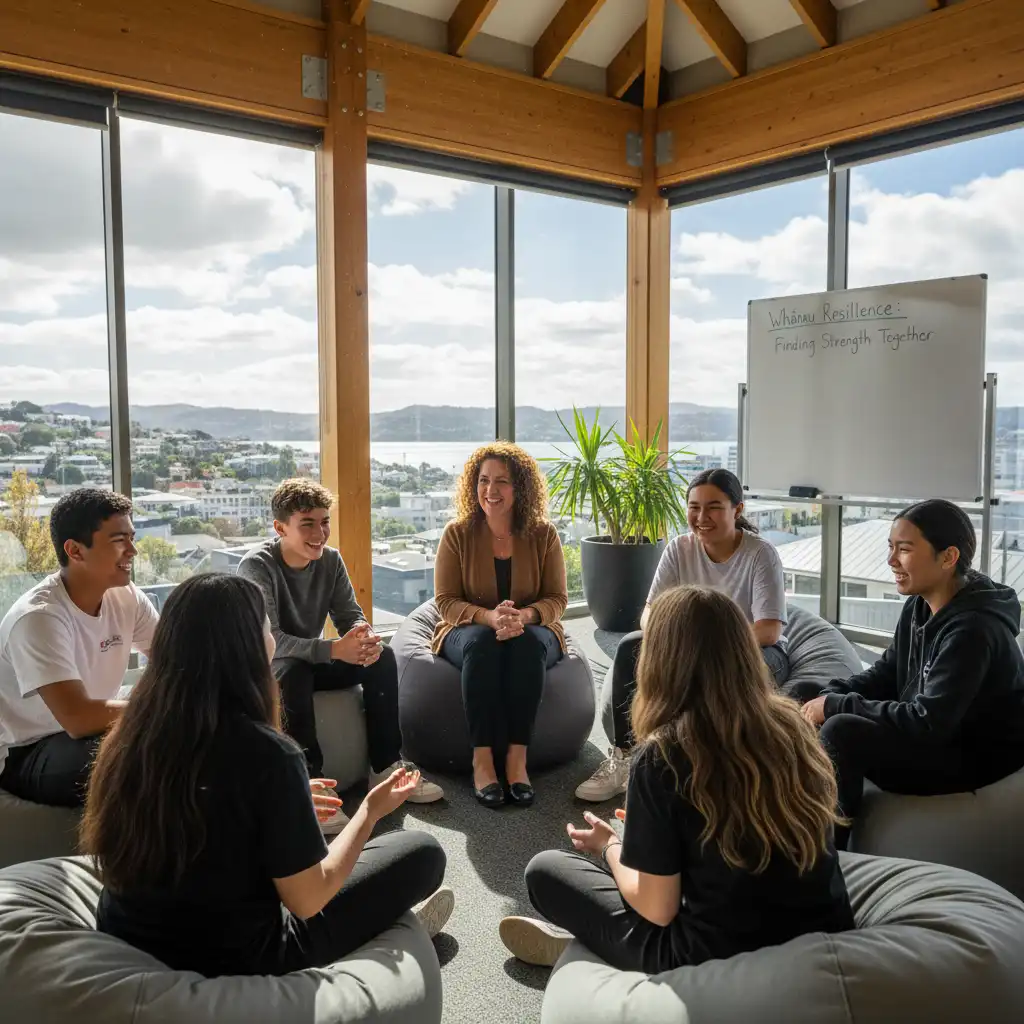
The Youth Mental Health Hub Wellington is a dedicated local service designed to provide accessible, integrated mental health and wellbeing support specifically for young people aged typically between 12 and 24, and their families. It’s not just a clinic; it’s a comprehensive ecosystem of care, built around the unique needs of adolescents and young adults.
The hub operates on the understanding that early intervention and a supportive environment are crucial for long-term mental wellbeing. It brings together a multidisciplinary team of professionals, including psychologists, counsellors, social workers, youth workers, and peer support specialists, all under one roof or through coordinated outreach.
Core Services Often Provided:
- Individual Counselling & Therapy: One-on-one sessions tailored to specific needs, addressing anxiety, depression, trauma, grief, and other mental health challenges.
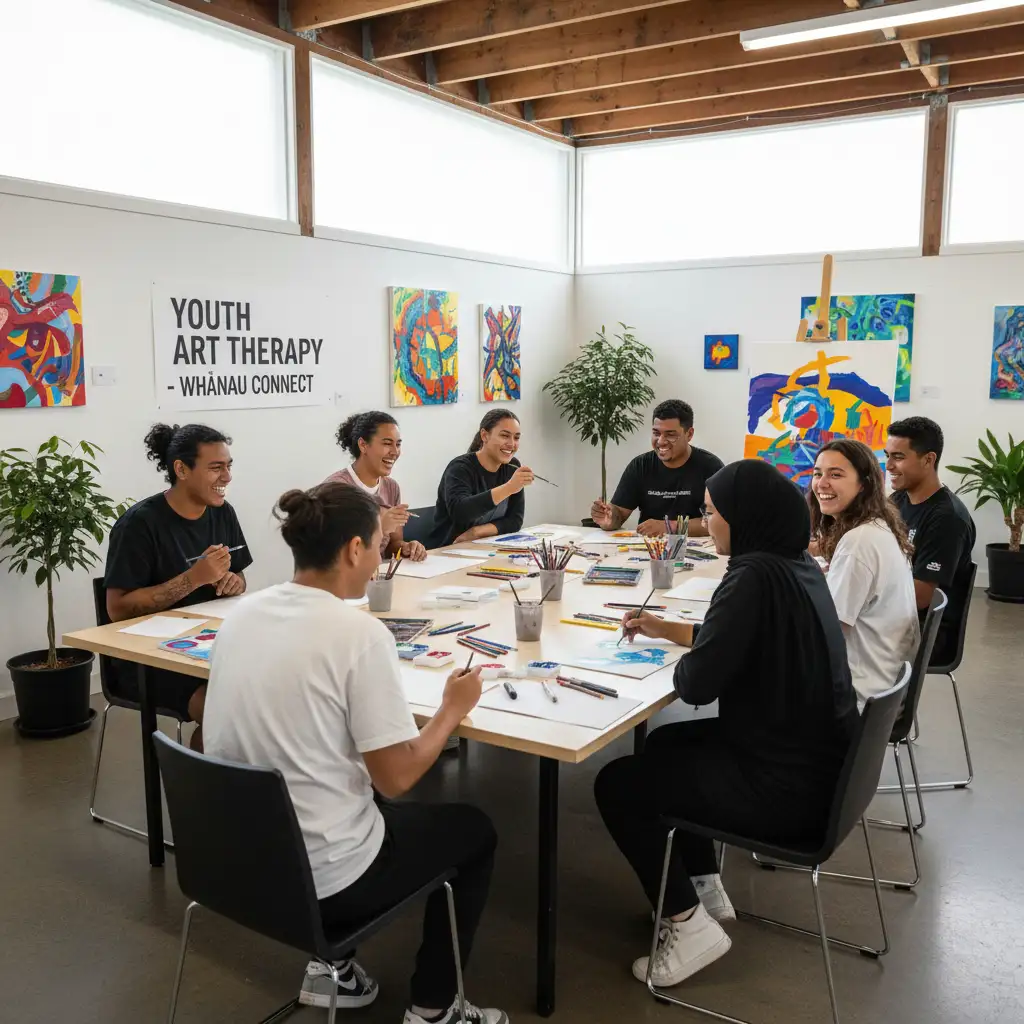
- Group Programmes & Workshops: Facilitated groups focusing on skills development (e.g., coping strategies, emotional regulation), social connection, and specific topics like stress management or self-esteem.
- Family Support & Guidance: Resources and counselling for parents and whānau to better understand and support their young person’s mental health journey. This can include access to programmes like Free Parenting Classes Christchurch and guidance on their own Parental Mental Health & Self-Care, alongside support for Family Legal Aid & Advocacy.
- Peer Support: Opportunities for young people to connect with and be mentored by others who have lived experience with mental health challenges, fostering empathy and reducing isolation.
- Referral Pathways: Connecting youth to other specialised services if needed, such as addiction support, crisis intervention, or more intensive mental health care.
- Community Outreach & Education: Working within schools and community groups to raise awareness, reduce stigma, and promote positive mental health practices.
“The Youth Mental Health Hub Wellington acts as a crucial first point of contact and ongoing support, ensuring no young person feels lost when facing mental health challenges.”
Key Benefits of Utilising the Hub
The presence of a dedicated youth mental health hub in Wellington offers numerous significant advantages, not only for the young people directly receiving support but for their families and the wider community.
Early Intervention and Prevention
Perhaps the most critical benefit is the focus on early intervention. Addressing mental health concerns at their onset can prevent them from escalating into more severe conditions. The hub provides a welcoming environment where young people can seek help without fear, often before issues become deeply entrenched.
Stat Callout: The Urgency of Youth Mental Health
Did you know? Globally, 1 in 7 10-19 year olds experiences a mental disorder, accounting for 13% of the global burden of disease in this age group. In New Zealand, nearly 1 in 4 young people aged 15-24 experience high or very high levels of psychological distress. Early support is not just beneficial, it’s critical. (Source: WHO, Mental Health Foundation of NZ)
Holistic and Tailored Support
The hub recognises that mental wellbeing is multifaceted. It offers a holistic approach, considering a young person’s social, emotional, cultural, physical, and Financial Well-being & Planning. Support plans are often co-designed with the young person, ensuring they are relevant, respectful, and effective for their unique journey.
Reducing Stigma and Fostering Openness
Mental health stigma remains a significant barrier for many. By providing an accessible, youth-friendly space, the youth mental health hub Wellington actively works to normalise conversations about mental health, encouraging young people to seek help as readily as they would for a physical ailment. Its focus on peer support further reinforces this, showing young people they are not alone.
Building Community and Connection
Beyond individual therapy, the hub fosters a sense of community. Through group programmes, workshops, and social activities, young people can connect with peers, develop new skills, and build a supportive network. This sense of belonging is a powerful protective factor for mental wellbeing.

How to Access Support at the Hub
Accessing support from the youth mental health hub Wellington is designed to be as straightforward and welcoming as possible. The goal is to remove barriers and ensure young people and their families can easily connect with the help they need.
Step-by-Step Guide to Getting Started:
- Initial Contact: The first step is usually to reach out. This can often be done via phone, email, or an online referral form on the hub’s official website. Parents, guardians, school counsellors, or even young people themselves can initiate contact.
Tip: Be prepared to share some basic information about the young person and the concerns you have, to help the team understand how best to assist.
- Brief Assessment & Triage: Once contact is made, a member of the hub team will typically conduct a brief initial assessment. This might be a phone conversation to understand the young person’s needs, urgency, and suitability for the hub’s services. They’ll also explain what to expect next.
Focus: This step ensures the young person is directed to the most appropriate support, whether within the hub or through a referral to a more specialised service.
- First Appointment & Comprehensive Assessment: Following the triage, a more in-depth appointment will be scheduled. This could involve meeting a clinician or youth worker who will conduct a comprehensive assessment of the young person’s wellbeing, strengths, and challenges. This is a chance for the young person to share their story in a safe space.
Key: This assessment is collaborative, involving the young person and, where appropriate, their family, to build a complete picture.
- Developing a Personalised Support Plan: Based on the assessment, a personalised support plan will be co-created. This plan outlines specific goals, strategies, and the types of interventions or programmes that will be most beneficial. It could include individual therapy, group work, family sessions, or connection to other community resources.
Empowerment: The young person’s voice is central in creating this plan, ensuring ownership and relevance.
- Ongoing Support & Review: Engagement with the hub is ongoing. The support plan will be regularly reviewed and adjusted as the young person progresses. The hub aims to equip young people with long-lasting skills and resilience, supporting them through their journey to improved mental wellbeing.
Continuity: The hub provides a consistent point of contact, fostering trust and a stable support system.

Conclusion
The Youth Mental Health Hub Wellington stands as an invaluable asset to our community, providing a lifeline for rangatahi navigating the complexities of mental health. It embodies the authoritative, approachable, and expert care that New Zealand families deserve, ensuring that our young people have the resources they need to build resilience, foster connection, and achieve lasting wellbeing.
If you or a young person you know in Wellington is struggling, remember that help is not just available, but it’s designed specifically for them. Reaching out to the hub is a courageous first step towards a healthier, brighter future.

Frequently Asked Questions (FAQ)
Who is the Youth Mental Health Hub Wellington for?
The hub typically provides services for young people aged approximately 12 to 24 years who are experiencing mental health challenges or concerns. Support is also extended to their families and whānau.
What kind of issues can the hub help with?
The hub can assist with a wide range of mental health concerns, including anxiety, depression, stress, grief, trauma, bullying, self-esteem issues, and challenges related to identity or relationships. They focus on early intervention and providing coping strategies.
Do I need a referral to access the Youth Mental Health Hub Wellington?
Often, a direct referral isn’t strictly necessary. Young people can self-refer, and parents, guardians, or school staff can also make initial contact. It’s best to check the specific hub’s website or contact them directly for their exact referral process.
Are the services at the hub confidential?
Confidentiality is a cornerstone of youth mental health services. Information shared is typically kept private, with limits to confidentiality discussed upfront (e.g., if there’s a risk of harm to self or others). The hub prioritises creating a safe and trusting environment for young people.
What if the hub isn’t the right fit for my child’s needs?
If, after an initial assessment, the hub’s services aren’t the most appropriate fit, the team will help connect you with other specialised services or resources in Wellington that can better meet your child’s specific needs. They are committed to ensuring young people receive the right support.
References & Sources
- World Health Organization (WHO). (2021). Adolescent mental health. Retrieved from www.who.int
- Mental Health Foundation of New Zealand. (Latest data). Key statistics: How many New Zealanders experience mental distress? Retrieved from www.mentalhealth.org.nz
- Ministry of Health NZ. (Ongoing). Youth Health and Wellbeing Strategy. Specific details related to local hub funding and initiatives can often be found through regional District Health Boards (DHBs) or Te Whatu Ora Health New Zealand regional pages.
- Local Wellington Youth Mental Health Service Providers (e.g., specific hub’s official website for services and contact information).