Navigating Single Parent Support Allowance Eligibility in New Zealand
Being a single parent in New Zealand is a journey filled with unique joys and significant challenges. From managing daily routines to securing your family’s financial stability, every day brings new demands. Thankfully, support systems are in place to help lighten the load, and understanding them is your first step towards greater peace of mind.
One of the most crucial forms of assistance is the Single Parent Support Allowance, officially known as Sole Parent Support. This benefit is designed to provide financial relief and essential services to single parents, helping them create a stable and nurturing environment for their children. But how do you know if you’re eligible, and what does the application process entail?

What is Sole Parent Support (Single Parent Support Allowance)?
The Single Parent Support Allowance is the common term used for what is officially known in New Zealand as Sole Parent Support. Administered by Work and Income (a service of the Ministry of Social Development – MSD), this benefit is designed to help single parents, or those whose partners are unable to provide care, to raise dependent children.
It provides regular financial payments to assist with living costs, ensuring that parents can focus on their children’s well-being without undue financial stress. Crucially, it’s more than just money; it can also be a gateway to Single Parent Support Networks & Resources, training, and employment assistance.
Stat Callout:
According to Statistics New Zealand, nearly 18% of all families in New Zealand are one-parent families, supporting approximately 220,000 dependent children. Sole Parent Support plays a vital role in providing stability for many of these families. Source: Stats NZ
Key Eligibility Criteria for Sole Parent Support in NZ
Understanding the single parent support allowance eligibility New Zealand requirements is paramount. While Work and Income assesses each application individually, there are core criteria you must meet. Knowing these will significantly streamline your application process.
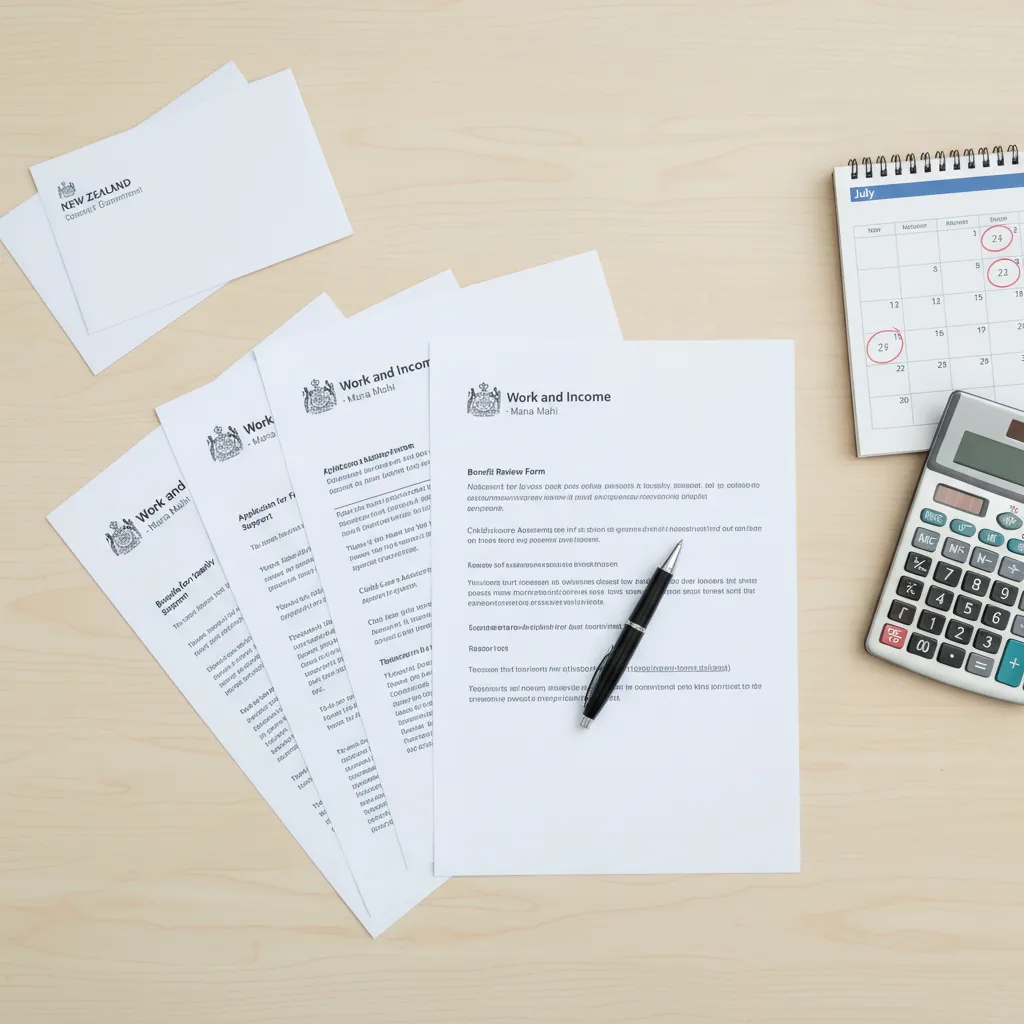
General Requirements:
- Age of Youngest Child: Your youngest dependent child must be under 14 years old. If your youngest child is 14 or older, you might be eligible for Jobseeker Support.
- Sole Care: You must be the primary caregiver for one or more dependent children. This generally means you are responsible for their daily care and upbringing.
- Relationship Status: You must be single, separated, divorced, widowed, or living without a partner. If you are in a relationship, your partner must be unable to care for your children due to specific circumstances (e.g., severe illness, imprisonment).
- Residency: You must be a New Zealand citizen or permanent resident, ordinarily resident in New Zealand.
- Income & Assets: Your income and assets must be below certain thresholds set by Work and Income. These thresholds are regularly reviewed and can vary.
- Work Obligations: You may have work obligations depending on the age of your youngest child. These can range from preparing for work to actively seeking part-time or full-time employment.
Action Checklist: Initial Eligibility Check
- ✔ Is your youngest child under 14 years old?
- ✔ Are you the primary caregiver for your children?
- ✔ Are you legally single, separated, widowed, or in a similar situation?
- ✔ Are you a NZ citizen/permanent resident and ordinarily resident here?
- ✔ Have you considered your current income and assets against benefit thresholds?
If you can tick most of these, it’s highly recommended to proceed with an application or contact Work and Income.
The Application Process: A Step-by-Step Guide
Once you’ve determined your potential eligibility, the next step is the application itself. This process can seem daunting, but breaking it down into manageable steps makes it much easier.
Step 1: Gather Your Essential Documents
Preparation is key. Having all necessary documents ready will speed up your application considerably. You’ll likely need:
- Proof of identity (e.g., birth certificate, passport, driver’s license).
- Proof of residency (e.g., utility bills, tenancy agreement).
- Bank account details.
- Proof of your children’s identities (e.g., birth certificates).
- Details of your income, assets, and expenses (e.g., payslips, bank statements, rent/mortgage agreements, childcare costs).
- Any relevant court orders (e.g., parenting orders, protection orders).
Step 2: Contact Work and Income
You can start your application online, by phone, or by visiting a local Work and Income service centre. It’s often helpful to call first to discuss your situation and get personalised advice on what documents or information you’ll need.
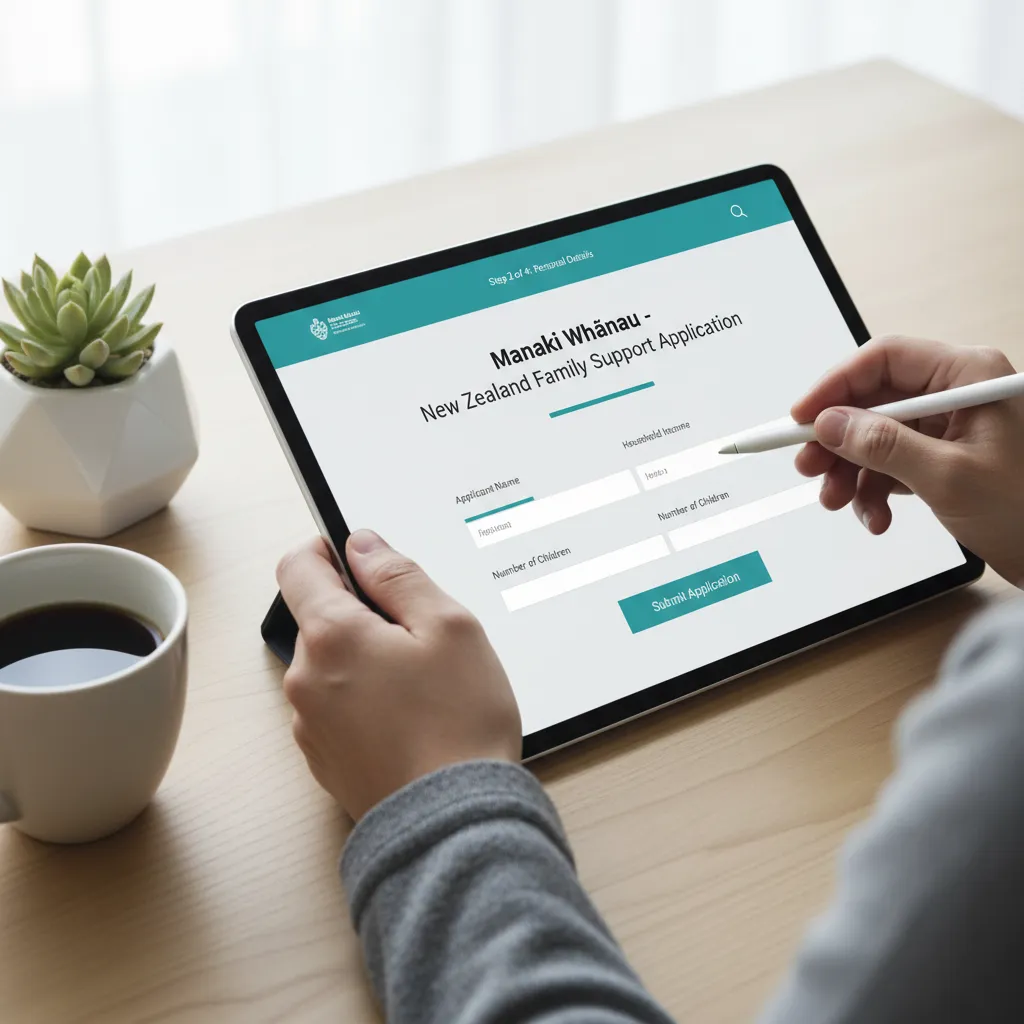
Step 3: Complete the Application Form
Whether online or on paper, fill out the application form thoroughly and accurately. Be honest and provide as much detail as requested. Missing information can cause delays.
Step 4: Attend Your Interview
Work and Income will usually schedule an interview with you. This is an opportunity to discuss your application, clarify any details, and for them to understand your circumstances better. It’s also a chance for you to ask questions about the support available.
Expert Tip: Be open and honest during your interview. The Work and Income staff are there to help, and providing complete information will lead to a quicker and more accurate assessment of your situation.
Step 5: Understand Ongoing Requirements
If your application is successful, you will have ongoing requirements, such as notifying Work and Income of any changes to your income, living situation, or work status. You may also have work-related obligations, such as attending interviews, training, or actively seeking employment, depending on your children’s ages.
Key Benefits Beyond Financial Assistance
While the primary purpose of Sole Parent Support is financial aid, its benefits extend far beyond the weekly payment. Accessing this support can open doors to a range of other essential services:
- Accommodation Supplement: Help with rent, board, or mortgage payments if your housing costs are high compared to your income.
- Childcare Assistance: Subsidies to help with the cost of childcare, enabling you to work, study, or attend training.
- Training and Employment Support: Access to job coaches, training courses, and programmes designed to help you gain new skills and find employment.
- Health and Disability Support: Potential access to the Community Services Card, which can reduce the cost of doctor’s visits and prescriptions.
- School Costs: Assistance with school-related expenses, such as uniforms or stationery.
These combined supports contribute significantly to reducing stress, improving quality of life, and fostering a more stable environment for your children to thrive.
Common Misconceptions & Helpful Tips
There are often misunderstandings about receiving government support. Here are a few clarifications and tips:
- Myth: It’s difficult to get. While there are criteria, Work and Income’s goal is to support those who need it. Being prepared and honest is the best approach.
- Myth: You can’t work while receiving it. You can often work a certain number of hours or earn up to a certain amount before your benefit is affected. Always declare your income.
- Tip: Keep Records. Keep copies of all documents you submit and any correspondence with Work and Income.
- Tip: Ask Questions. If you don’t understand something, ask. Work and Income staff can clarify processes and requirements.
- Tip: Be Patient. Applications can take time. Follow up politely if you haven’t heard back within the expected timeframe.

Conclusion: Empowering Your Single Parent Journey
Navigating life as a single parent requires immense strength and resilience. The Single Parent Support Allowance, or Sole Parent Support, is a crucial resource designed to empower you and provide a safety net for your family.
By understanding the single parent support allowance eligibility New Zealand criteria and following the application process, you can access the financial and practical assistance that will make a tangible difference in your daily life. Don’t hesitate to reach out to Work and Income; their support can be a cornerstone in building a secure and flourishing future for you and your children.

Frequently Asked Questions (FAQ)
What is the main benefit for single parents in NZ?
The main benefit for single parents in New Zealand is officially called Sole Parent Support, though it’s often referred to as the Single Parent Support Allowance.
How is Sole Parent Support eligibility determined?
Eligibility for Sole Parent Support is determined by several factors, including the age of your youngest child (under 14), your relationship status (single, separated, etc.), residency in NZ, and your income and asset levels. Work and Income assesses each case individually.
Can I work while receiving Sole Parent Support?
Yes, you can often work part-time or even full-time while receiving Sole Parent Support. However, your earnings will affect the amount of benefit you receive. You must declare all income to Work and Income.
What other types of support can I get besides the main benefit?
Beyond the Sole Parent Support payment, you may be eligible for other assistance such as the Accommodation Supplement, Childcare Assistance, training and employment support, and a Community Services Card for reduced health costs. Work and Income can help you explore all available options.
How do I apply for Sole Parent Support?
You can apply for Sole Parent Support online through the MyMSD portal, by calling Work and Income, or by visiting a service centre. It involves gathering necessary documents, completing an application form, and usually attending an interview.
References/Sources
- Work and Income NZ (Ministry of Social Development). Sole Parent Support. www.workandincome.govt.nz
- Work and Income NZ (Ministry of Social Development). Check what you might get. www.workandincome.govt.nz
- Statistics New Zealand. Families and Households. (Data regarding one-parent families and dependent children.) www.stats.govt.nz
- Community Law Aotearoa. Benefits and Allowances. communitylaw.org.nz