Navigating Neurodiversity: The Definitive Guide to Supporting Neurodiverse Children NZ
When it comes to supporting neurodiverse children nz, parents and caregivers often find themselves navigating a complex intersection of education, healthcare, and legal frameworks unique to Aotearoa New Zealand. Understanding how to leverage available resources effectively is essential for ensuring that neurodivergent tamariki (children) thrive in environments that respect their neurological differences.
Table of Contents
- 1. The Educational Landscape for Supporting Neurodiverse Children NZ
- 2. Healthcare Pathways: Supporting Neurodiverse Children NZ within the Public System
- 3. Legal Rights and New Zealand Family Law Considerations
- 4. Funding and Financial Assistance for Families
- 5. Practical Advocacy Strategies for Parents
- 6. Conclusion and Key Takeaways
The Educational Landscape for Supporting Neurodiverse Children NZ
The New Zealand education system is built on the principle of inclusion, yet the practical application of this principle can vary significantly. Supporting neurodiverse children nz in the classroom requires a deep dive into the Ministry of Education (MoE) support structures. From ADHD and high-functioning Autism to Dyslexia and Dyspraxia, the goal is to create an Individual Education Plan (IEP) that reflects the specific needs of the child.

Central to this process is the role of the Learning Support Coordinator (LSC) or Special Education Needs Coordinator (SENCO). These individuals act as the bridge between the school, the family, and external specialists. For children with the most significant needs, the Ongoing Resourcing Scheme (ORS) provides specialized staffing and funding. However, the threshold for ORS is notoriously high, leading many families to rely on Tier 2 supports like Resource Teachers: Learning and Behaviour (RTLB).
Common Educational Support Structures in NZ:
- IEP (Individual Education Plan): A living document reviewed twice a year involving parents, teachers, and specialists.
- RTLB Services: Itinerant teachers who work with students and staff to manage behavioral or learning challenges.
- ICS (In-Class Support): Additional teacher aide funding for students with high needs who do not qualify for ORS.
- Specialized Schools: Options like Day Special Schools or Residential Specialist Schools for students with complex requirements.
- ESOL and SLT: English for Speakers of Other Languages and Speech-Language Therapy interventions provided through the Ministry.
Healthcare Pathways: Supporting Neurodiverse Children NZ within the Public System
Accessing medical support is a critical pillar in supporting neurodiverse children nz. The transition from a GP observation to a formal diagnosis can be a multi-year journey, particularly within the public health system now managed by Te Whatu Ora (Health New Zealand). Diagnoses for conditions like ASD (Autism Spectrum Disorder) or ADHD are typically managed through Child Development Services (CDS) or the Child and Adolescent Mental Health Services (CAMHS).
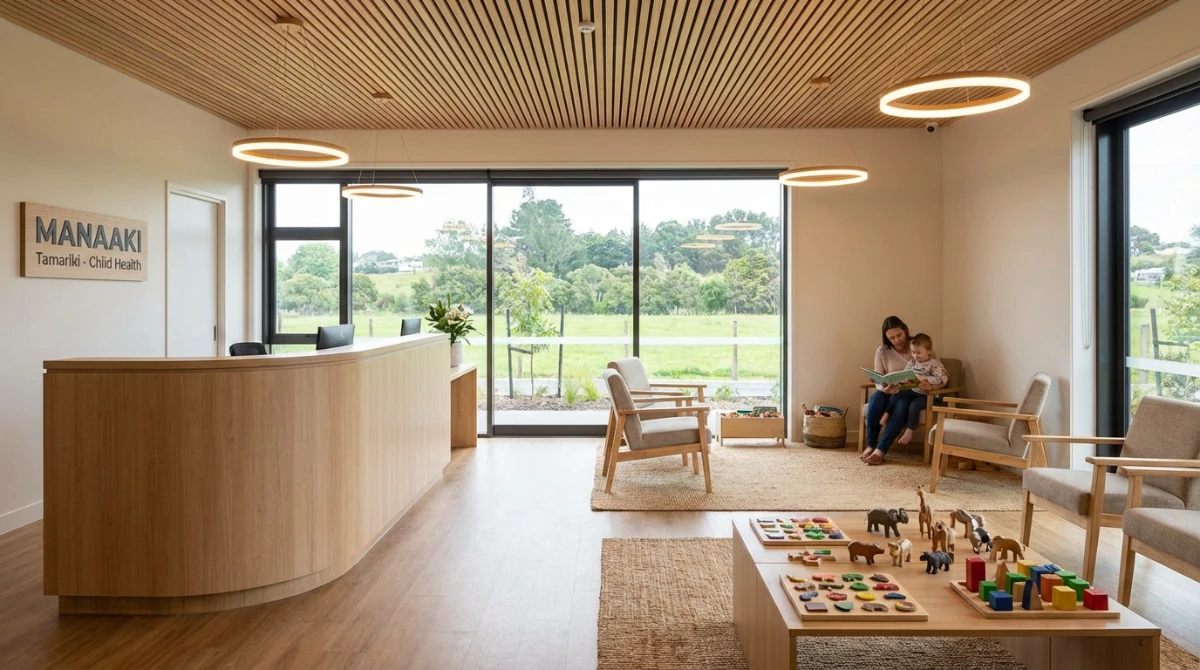
Waitlists for public assessments can range from 6 to 24 months depending on the region. As a result, many families choose the private route, seeking clinical psychologists or developmental paediatricians. While more expensive, private assessments provide the documentation necessary to unlock certain school supports and the Child Disability Allowance. It is important to note that a diagnosis is not always a prerequisite for educational support, but it certainly clarifies the pathway for Whaikaha (Ministry of Disabled People) resourcing.
Healthcare Checklist for Parents:
- Initial consultation with a GP to rule out physical health issues (e.g., hearing/vision).
- Referral to the local Child Development Service (CDS).
- Comprehensive assessment involving Speech-Language Pathologists (SLP) and Occupational Therapists (OT).
- Review of sensory processing needs with a specialist OT.
- Regular follow-ups for medication management if ADHD is diagnosed.
Legal Rights and New Zealand Family Law Considerations
In the realm of family law and human rights, the protection of neurodivergent children is enshrined in several key pieces of legislation. Understanding these laws is vital when advocating for a child’s right to participate fully in society. According to the Human Rights Act 1993, it is illegal to discriminate against anyone based on disability, which includes neurodivergence.
The Education and Training Act 2020 further reinforces this by stating that people with special educational needs (whether because of disability or otherwise) have the same rights to enroll and receive education at State schools as people who do not. If a school suggests that a child can only attend part-time because of their neurodiversity, this may constitute an informal exclusion, which is a breach of their legal rights.

In cases of separation or divorce, family law must account for the specific needs of a neurodiverse child. Parenting orders should be drafted with extreme specificity regarding routines, medication, and the continuity of therapeutic interventions. The “Best Interests of the Child” principle requires the Family Court to consider how a child’s neurodivergence impacts their ability to handle change and transition between households.
Funding and Financial Assistance for Families
Raising a neurodiverse child often incurs significant costs, from private therapies to specialized equipment. New Zealand provides some financial safety nets, though navigating the bureaucracy can be taxing. The primary source of assistance for many is the Child Disability Allowance (CDA), which is not income-tested and is paid to the principal caregiver. This is distinct from the Disability Allowance, which covers ongoing costs like doctor’s visits or travel for therapy.
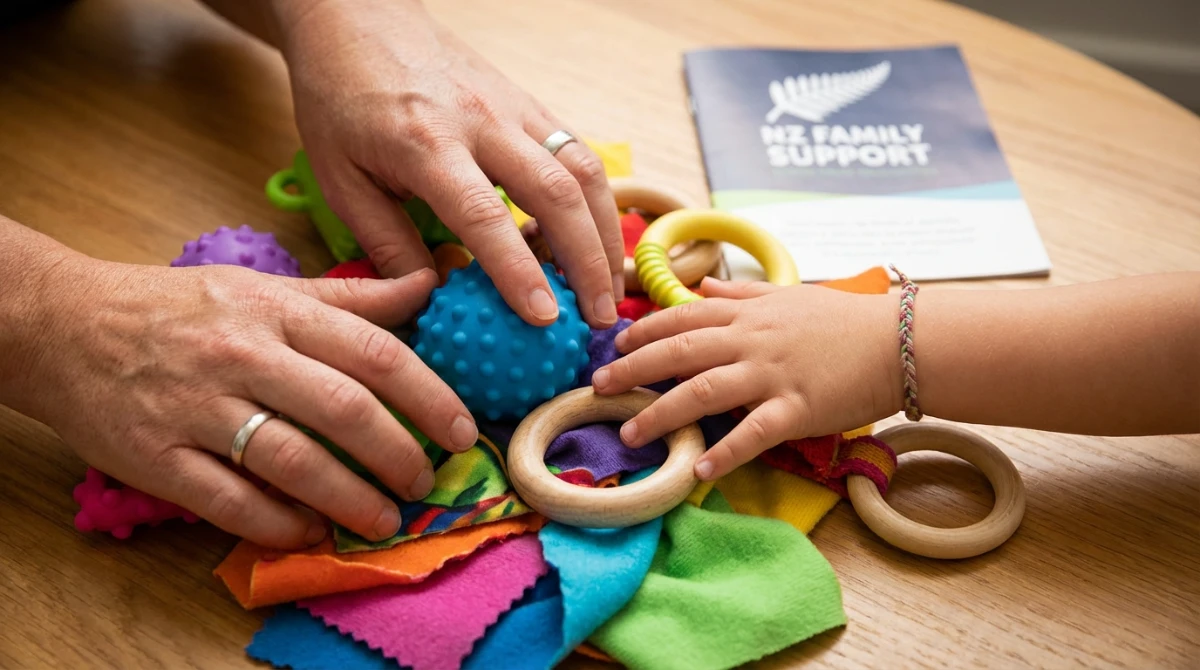
NASC (Needs Assessment Service Coordination) plays a pivotal role here. They assess whether a child qualifies for Carer Support days (which provide a small subsidy for respite care) or Individualized Funding (IF). IF gives families more control over how their disability support budget is spent, allowing them to hire their own support workers or purchase specific services that align with the child’s goals.
Practical Advocacy Strategies for Parents
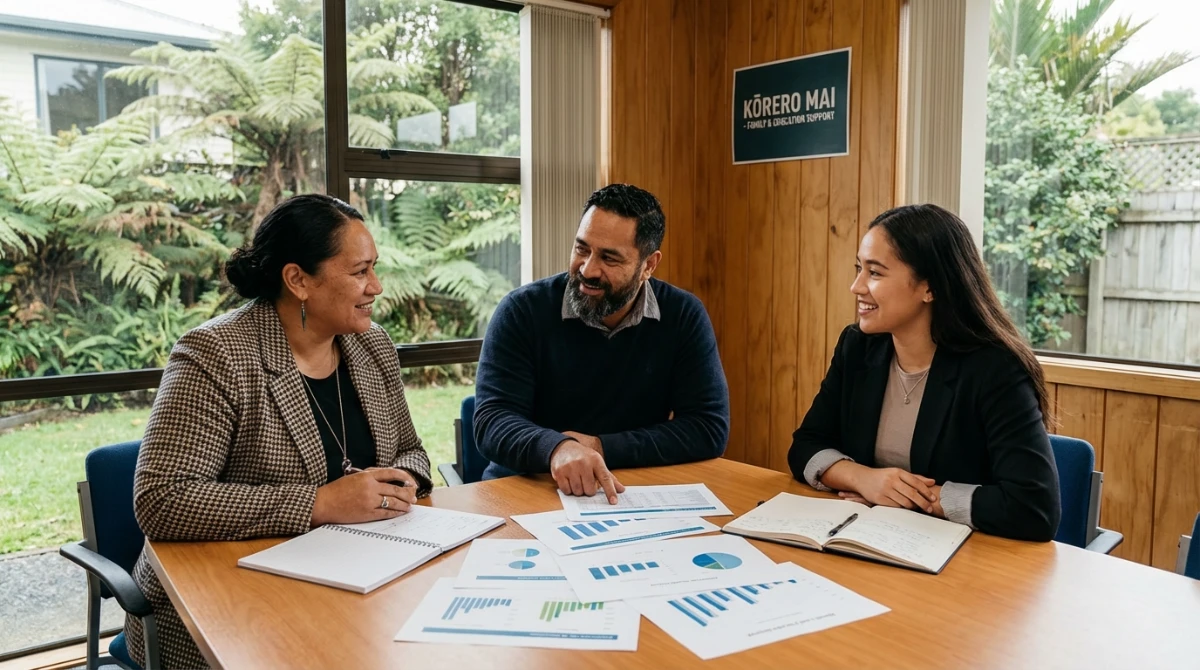
Effective advocacy is the cornerstone of supporting neurodiverse children nz. It requires a blend of professional communication, record-keeping, and resilience. Parents should view themselves as the ‘CEO’ of their child’s support team. This involves maintaining a folder of all medical reports, IEP versions, and communications with the school. When attending meetings, it is often helpful to bring a support person or an independent advocate from organizations like IHC or Parent to Parent.
Effective Advocacy Tips:
- Be Proactive, Not Reactive: Request IEP meetings before issues escalate.
- Use Data: Keep a log of sensory meltdowns or academic struggles to provide evidence for support requests.
- Know the Jargon: Understanding terms like ‘Neuro-affirming care’ and ‘Universal Design for Learning (UDL)’ helps when speaking with professionals.
- Focus on Strengths: Ensure the child’s IEP isn’t just a list of deficits but also highlights their ‘spiky profile’ of strengths and interests.
- Connect with Community: Join local support groups like ADHD NZ or Autism NZ for peer-led advice and shared experiences.
Conclusion and Key Takeaways
Navigating the landscape of supporting neurodiverse children nz is a journey that requires patience, knowledge, and a robust support network. From understanding the legal protections under the Human Rights Act to mastering the intricacies of MoE funding schemes, parents are required to be researchers, advocates, and care coordinators all at once. While the systems in Aotearoa can be fragmented, the move towards a more neuro-affirming society offers hope for a future where all children are valued for their unique neurological makeup.

Key Takeaways for NZ Parents:
- Education Rights: Your child has a legal right to attend their local school and receive necessary support under the Education and Training Act 2020.
- Health Pathways: Start early. Public waitlists are long, so utilize your GP for referrals to CDS and CAMHS immediately.
- Financial Aid: Check your eligibility for the Child Disability Allowance and contact your local NASC for a needs assessment.
- Documentation: Keep meticulous records. Documentation is the currency of support in both the health and education sectors.
- Community Support: You don’t have to do this alone. Reach out to local NGOs like Parent to Parent or specialized condition-based organizations.
By staying informed and actively engaging with both the healthcare and education systems, you can ensure that your child receives the support they need to navigate the world with confidence and pride in their neurodivergent identity.