Income Limits Community Services Card: The Definitive Guide for New Zealand Families
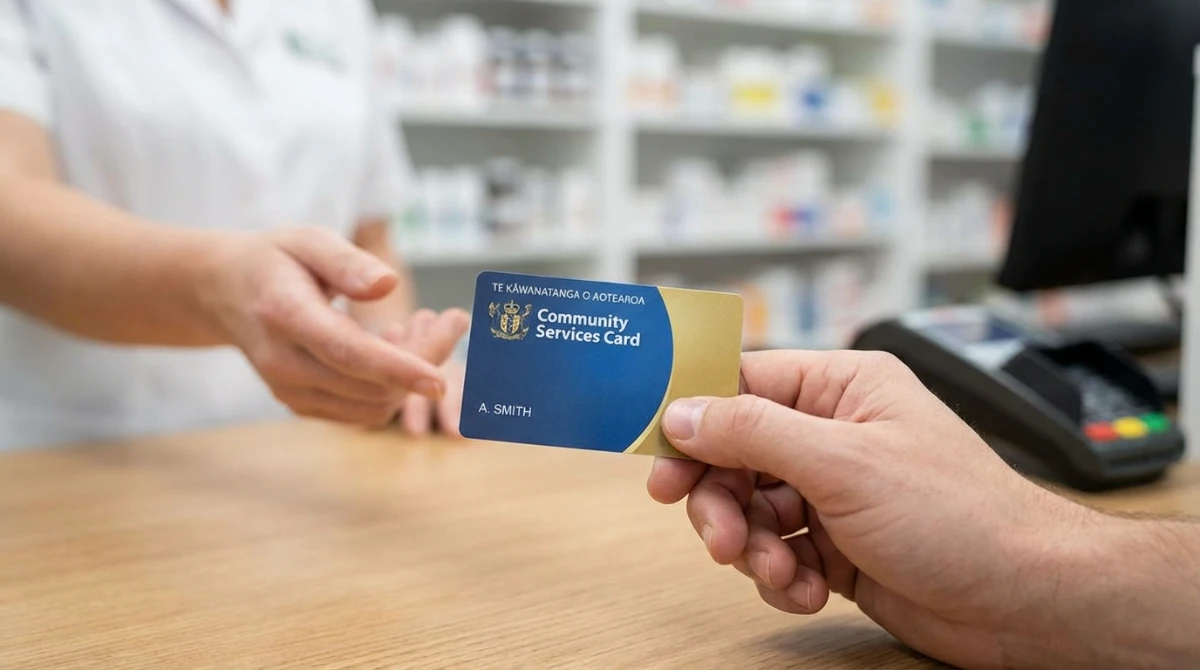
The income limits community services card are the primary gateway for New Zealanders to access essential healthcare subsidies, reduced prescription costs, and various community-level discounts provided by the Ministry of Social Development (MSD). Understanding these thresholds is critical for families and individuals navigating the rising cost of living in Aotearoa. Whether you are a student, a working professional, or a retiree, the Community Services Card (CSC) serves as a vital tool in reducing out-of-pocket expenses for medical visits and other social services.
Table of Contents
- 1. Understanding Income Limits Community Services Card for 2024
- 2. Detailed Breakdown of Current Income Thresholds
- 3. How Your Income is Calculated by Work and Income
- 4. Healthcare and Community Benefits of the CSC
- 5. The Application Process and Required Documentation
- 6. Special Circumstances: Students, Seniors, and Beneficiaries
- 7. Reporting Changes and Renewing Your Card
- 8. Frequently Asked Questions (FAQ)
- 9. Conclusion and Key Takeaways
Understanding Income Limits Community Services Card for 2024
To qualify for the card, your gross annual income must fall within specific brackets defined by the Ministry of Social Development. These income limits community services card are reviewed periodically to ensure they align with economic shifts and inflation. The goal of the program is to assist those on low-to-middle incomes in managing the costs of primary healthcare.

The Community Services Card is not just for those receiving a benefit. Many working families in New Zealand qualify for the card without realizing it. The threshold is determined by your household size, the number of dependents you support, and your living arrangements. For instance, a single person living alone has a different threshold than a single person living with others or a couple with children. This nuanced approach ensures that the support is targeted toward those who need it most based on their actual cost of living.
Detailed Breakdown of Current Income Thresholds
Navigating the income limits community services card requires a clear view of the current dollar amounts set by the government. As of the most recent update, the following gross annual income limits apply (please note these are subject to annual adjustments by the NZ government):
- Single – living alone: $31,585 per annum.
- Single – living with others: $29,190 per annum.
- Married, civil union or de facto couple (no children): $47,155 per annum.
- Family of 2 (e.g., one parent, one child): $56,767 per annum.
- Family of 3: $70,410 per annum.
- Family of 4: $80,551 per annum.
- Family of 5: $90,466 per annum.
- Family of 6: $101,489 per annum.
For families with more than six members, the threshold typically increases by approximately $10,000 to $11,000 for each additional person. It is important to remember that these figures refer to gross income—your total earnings before tax is deducted. This includes wages, interest from bank accounts, dividends, and any other taxable income sources.
How Your Income is Calculated by Work and Income
When assessing your eligibility against the income limits community services card, Work and Income (a service of MSD) looks at your total income over the 52 weeks prior to your application. This historical view provides a stable average of your earning capacity. If you have recently seen a significant drop in income—for example, due to redundancy or a reduction in hours—you may be able to provide evidence of your current projected income instead.
What Counts as Income?
MSD considers several streams of revenue when determining if you meet the criteria:
- Wages and salaries from employment.
- Self-employed earnings (net profit before tax).
- New Zealand Superannuation or other government benefits.
- Interest and dividends from investments.
- Rental income from property.
- Boarders paying more than a standard amount.
The inclusion of interest and dividends often surprises applicants. Even small amounts of passive income must be disclosed. Failing to provide a complete picture of your financial situation can lead to delays or the requirement to pay back subsidies if you are later found to be over the threshold.
Healthcare and Community Benefits of the CSC
Once you are confirmed to be within the income limits community services card, the benefits are immediate and substantial. The card is primarily designed to lower the cost of primary health services, but its reach extends into local community services as well.

Key benefits include:
- Reduced GP Fees: Most General Practitioners offer lower consultation rates for CSC holders.
- Prescription Charges: You will pay less for prescription items from pharmacies (typically $5 or even $0 depending on the current policy).
- After-Hours Services: Lower costs for urgent doctors and after-hours clinics.
- Hospital Services: Subsidies for some specialist services and emergency room visits in specific regions.
- Total Mobility Scheme: For those with disabilities, the CSC can often be linked to transport subsidies.
- Local Council Discounts: Many councils offer reduced rates for swimming pools, libraries, and public transport (like the Te Pae Mahutonga / Auckland transport initiatives).
The Application Process and Required Documentation
Applying for the card is a straightforward process, provided you have your documentation in order. You can apply via the Work and Income website or by requesting a physical form from a service centre. To prove you are within the income limits community services card, you will need:
- Proof of Identity: Passport, birth certificate, or NZ driver’s license.
- IRD Number: To verify your tax records.
- Income Statements: Payslips, tax summaries from Inland Revenue, or bank statements showing interest.
- Residency Status: Proof that you are a New Zealand citizen or permanent resident.
The processing time usually takes between 2 to 4 weeks. Once approved, the card is posted to your residential address. It typically has an expiry date of one to three years, after which you must re-verify your income to ensure you still meet the eligibility criteria.

Special Circumstances: Students, Seniors, and Beneficiaries
Different rules may apply depending on your life stage. For instance, if you are a full-time student receiving a Student Allowance, you are often automatically eligible for a Community Services Card without needing to undergo a separate income assessment. This is because the Student Allowance itself is income-tested against similar thresholds.
For seniors, if you receive New Zealand Superannuation and meet the income limits community services card, your card is often combined with your SuperGold Card. This “combo card” features the CSC logo on the back, allowing you to access both senior discounts and healthcare subsidies with a single piece of identification.
Beneficiaries (those on Jobseeker Support, Sole Parent Support, or Supported Living Payment) almost always receive a CSC automatically. If you transition off a benefit into full-time work, it is vital to check if your new salary still falls within the income limits to maintain your healthcare subsidies.
Reporting Changes and Renewing Your Card
The Ministry of Social Development requires you to report any changes that might affect your eligibility. If your income increases beyond the income limits community services card, you are legally obligated to inform MSD. Common changes include:
- Starting a new job with a higher salary.
- Changing your living situation (e.g., moving from living alone to sharing a flat).
- A partner’s income increasing significantly.
- Children leaving home (which changes your household size).
Failing to report these changes can result in the card being cancelled or, in some cases, the recovery of funds if you used the card while ineligible. Conversely, if your income drops, you should apply immediately to see if you now qualify for support.

Frequently Asked Questions (FAQ)
Below are some of the most common queries regarding the Community Services Card and its associated income requirements.
What is the most I can earn and still get a Community Services Card?
The maximum threshold varies by family size. For a family of six or more, the limit can exceed $101,489. For a single person living alone, the limit is much lower at $31,585.
Does the card cover my children?
Yes, if you are eligible for a card, your dependent children (under 18) are also covered by your card. Their names will usually be listed on the back of your card, or they may be issued their own in certain circumstances.
Can I get a card if I am self-employed?
Yes. Self-employed individuals are eligible as long as their net profit (income minus business expenses) falls within the income limits community services card. You will likely need to provide your latest tax return as proof.
How do I renew my card?
MSD will usually send you a renewal pack a few weeks before your current card expires. If your details haven’t changed and you still meet the income criteria, the process is very fast.
Is the Community Services Card the same as the High Use Health Card?
No. The High Use Health Card is for people who visit their doctor more than 12 times in 12 months for a chronic condition. It is not income-tested, whereas the Community Services Card is strictly based on financial thresholds.
Conclusion and Key Takeaways
Securing a Community Services Card can save a New Zealand household hundreds, if not thousands, of dollars annually in medical costs. By staying informed about the income limits community services card, you ensure that you and your family are not paying more than necessary for essential health services. While the thresholds may seem complex, they are designed to provide a safety net for those in varying financial situations across the country.
Key Takeaways
- The card is based on gross annual income (before tax).
- Thresholds increase with the number of dependents and vary by living situation.
- Eligibility covers GP visits, prescriptions, and local community discounts.
- Automatic eligibility often applies to students and those on a benefit.
- You must report any increase in income that puts you over the threshold to MSD.