Op Shops for Baby Gear: The Ultimate Guide to Second Hand Baby Gear NZ
Est. Read Time: 18 mins | Last Updated: 24 May 2024
Navigating the financial demands of parenthood in Aotearoa is significantly more manageable when you prioritize second hand baby gear NZ to source essential items for your growing family. By choosing pre-loved strollers, clothing, and nursery furniture from reputable community organizations, New Zealand parents can save thousands of dollars while contributing to a circular economy that reduces textile waste in our local landfills.
As the cost of living continues to rise across New Zealand, the shift toward sustainable, affordable parenting solutions has transformed from a niche trend into a mainstream necessity. In this comprehensive guide, we explore the landscape of social services, charitable op shops, and the rigorous safety requirements that define the New Zealand second-hand market. Whether you are a first-time parent in Auckland or a seasoned pro in Invercargill, understanding how to navigate the world of pre-loved gear is the ultimate parenting hack.
Why Choose Second Hand Baby Gear NZ?
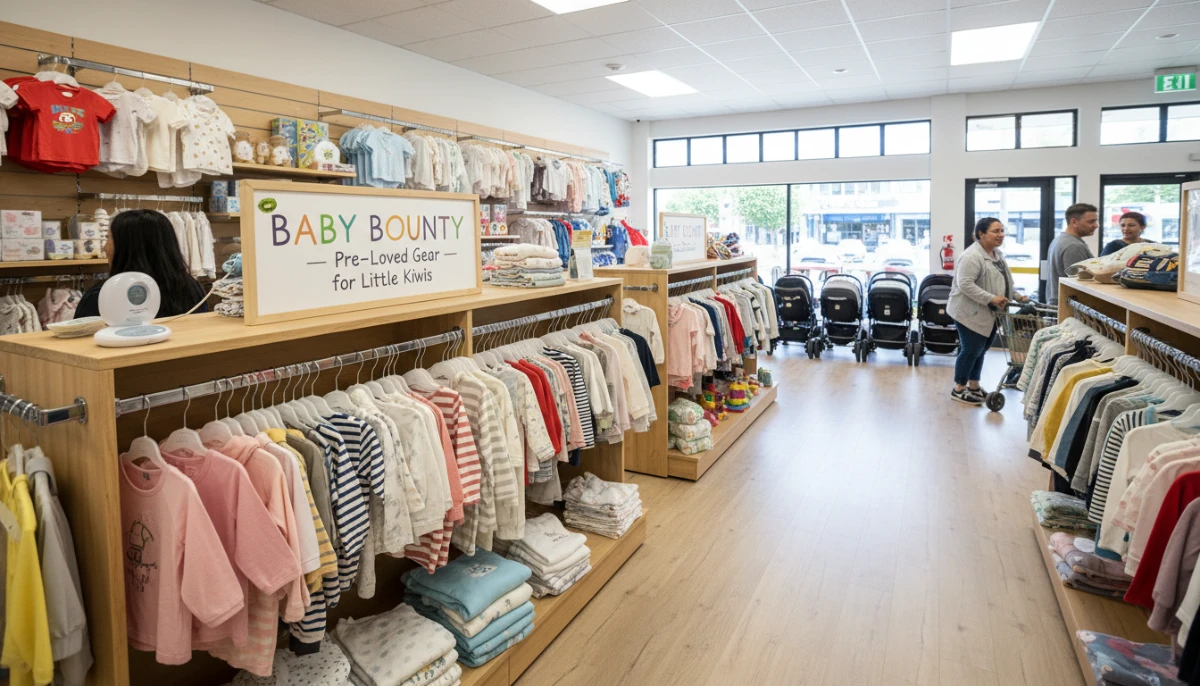
The demand for high-quality second hand baby gear NZ has surged as families seek sustainable alternatives to fast fashion and expensive retail outlets. New Zealand’s unique geographic position often means imported goods come with a premium price tag, sometimes retailing for 30-50% more than in overseas markets. Buying used allows families to access premium brands like Edwards & Co, Mountain Buggy, or Mocka at a fraction of the original cost.
Beyond the financial savings, the environmental impact of new baby gear is staggering. Manufacturing a single new stroller involves heavy metal processing, plastic molding, and global shipping, resulting in a significant carbon footprint. By purchasing from an op shop, you are extending the lifecycle of a product that might otherwise end up in a landfill. This fosters a community support system, as many op shops are run by social services like the Salvation Army or St Vincent de Paul, meaning your purchase directly funds local food banks and emergency housing initiatives.
- Significant cost savings for low-income and middle-class families, often reaching up to 80% off retail prices.
- Reduction in carbon footprint and environmental impact by participating in the circular economy.
- Supporting local New Zealand charities and community programs that provide essential social services.
- Access to high-quality, durable items that have already stood the test of time and proven their reliability.
The Economics of Pre-Loved Parenting in Aotearoa
To understand the value of the second-hand market, one only needs to look at the math. A standard “new baby” checklist in New Zealand—including a cot, car seat, stroller, high chair, and initial clothing—can easily exceed $5,000 when purchased from high-end retail stores. Conversely, a parent dedicated to sourcing second hand baby gear NZ can typically assemble the same quality of items for under $1,200.
This price discrepancy is particularly important given the current economic climate. With interest rates and grocery prices climbing, the ability to save $3,800 on baby gear provides a significant safety net for young families. Furthermore, the resale value of high-quality brands remains high. If you buy a second-hand Mountain Buggy for $200, use it for two years, and sell it for $150, your total cost of ownership is remarkably low compared to buying new.
Top NZ Op Shops for Baby Gear
When searching for reliable items, knowing where to look is half the battle. New Zealand has a robust network of second-hand retailers that specialize in family support. The quality of donations has seen a notable increase, with many families opting to donate barely-used items to local charities.
“The quality of baby gear donated to New Zealand op shops has increased by 40% in the last three years, reflecting a shift in consumer behavior toward high-end, durable goods.” — NZ Sustainability Council.
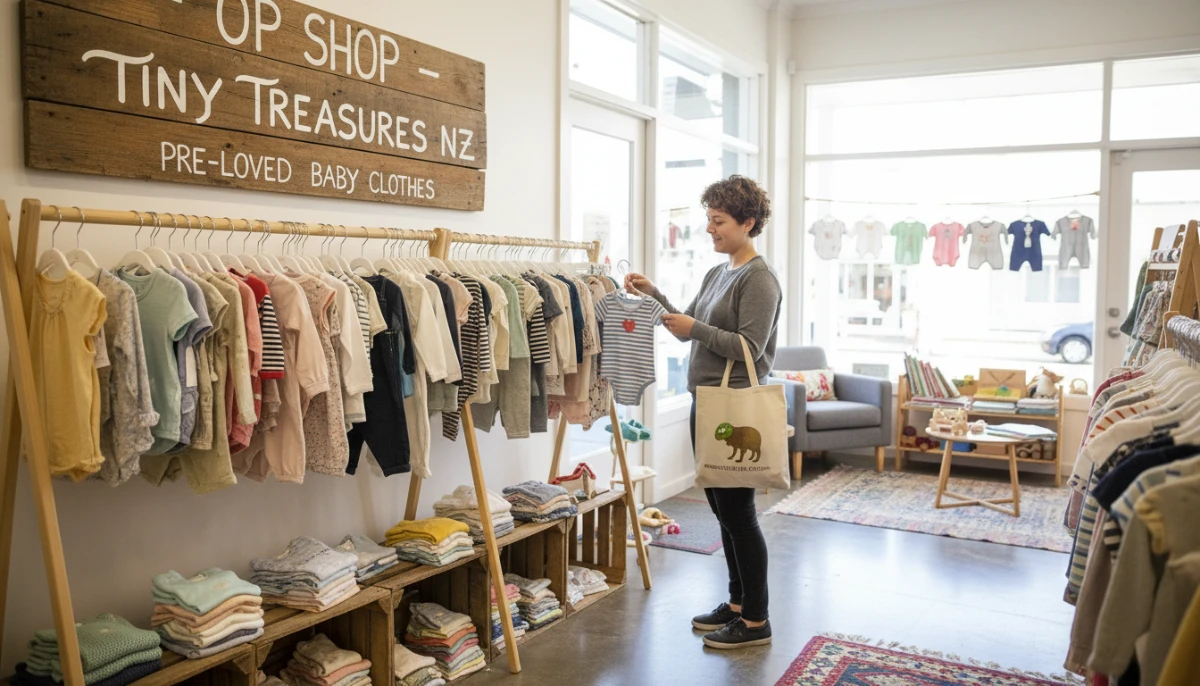
The Salvation Army Family Stores (Sallies): With locations from Kerikeri to Invercargill, Sallies stores are a staple for finding affordable bassinets, high chairs, and maternity wear. They often have dedicated furniture sections where larger items are safety-checked before being put on the floor.
Vinnies (St Vincent de Paul): Known for their meticulous sorting, Vinnies often carries a wide array of baby clothing, often priced as low as $1 to $5 per item. They are particularly good for finding “bundles” of newborn clothes.
Red Cross Shops: Red Cross shops in wealthier suburbs (like Remuera in Auckland or Fendalton in Christchurch) are famous for stocking designer baby labels and high-end strollers that are in nearly-new condition.
Hospice Shops: Often overlooked, Hospice shops frequently receive high-quality nursery furniture donations. Their prices are fair, and the proceeds support palliative care across New Zealand.
Safety Standards and Regulations: AS/NZS Explained
In New Zealand, the safety of baby products is governed by the Product Safety Standards Act 1987. When shopping for second hand baby gear NZ, it is vital to recognize the AS/NZS (Australian/New Zealand Standard) labels. These standards are some of the strictest in the world and are designed to prevent accidental injury or death.
Household Cots (AS/NZS 2172:2013)
Cots are one of the most regulated items. A safe second-hand cot must have a mattress that fits snugly with no more than a 20mm gap at the sides. The distance between the vertical bars must be between 50mm and 95mm to prevent a baby’s head from becoming trapped. Furthermore, check for any “snag points”—protuberances that could catch on a child’s clothing.
Strollers and Prams (AS/NZS 2088:2013)
Prams must have a functioning parking brake (usually red) and a five-point safety harness. When buying used, check the tether strap—this is a mandatory safety feature in NZ to prevent the pram from rolling away if you lose your grip.
Child Restraints (AS/NZS 1754)
New Zealand law requires all children under seven to be in an approved child restraint. Because of the risk of structural damage that isn’t visible to the naked eye, most experts recommend against buying second-hand car seats unless you are certain of the seat’s history and expiration date.
Is Second Hand Baby Gear Safe?
Safety is the paramount concern for any parent. While most items are safe if they meet the standards mentioned above, there are specific “red flags” to watch for. Plastic degrades over time, especially when exposed to the harsh New Zealand sun. If the plastic on a high chair or stroller looks chalky or brittle, it may be unsafe.
For instance, car seats should never be purchased second-hand from a stranger. Even a minor accident can compromise the structural integrity of the plastic and webbing. Most car seats also have an expiration date (usually 6 to 10 years from the date of manufacture) molded into the plastic. If the seat is past this date, the materials may fail during an impact.
- Check for the ‘S’ mark or the ‘Tick’ indicating compliance with NZ/AU standards.
- Ensure cots have no gaps between 50mm and 95mm to prevent head entrapment.
- Inspect all items for the manufacturer’s date; plastic degrades over time.
- Check the Consumer NZ website for any recent product recalls.
For official safety guidelines, refer to the Consumer NZ Baby Safety Guide or the Ministry of Social Development website for family support resources.
How to Sanitize and Deep Clean Second-Hand Gear
Buying second-hand doesn’t mean sacrificing hygiene. With a few professional cleaning techniques, you can make used gear look and feel brand new. For textiles like stroller liners or clothing, a hot wash (at least 60°C) with a sensitive, fragrance-free laundry liquid is usually sufficient to kill most bacteria and allergens.
For hard surfaces like cots or high chairs, avoid harsh chemicals that could be ingested by a teething baby. A solution of white vinegar and water is an excellent natural disinfectant. For stubborn stains or odors, a paste of baking soda and water left to sit for 30 minutes works wonders. If you have purchased a stroller with mold spots (a common issue in damp NZ climates), a specialized mold remover that is safe for fabrics, followed by a day of “sun-bleaching” in direct UV light, can effectively treat the issue.
Where to Find Cheap Baby Clothes?
If you are looking for affordable clothing, regional community ‘Baby Banks’ are an excellent resource. These organizations often provide bundles of clothing to families in need for free or a very small donation. The quality is often exceptional, as babies outgrow clothes so quickly that many items have only been worn once or twice.
In Auckland, the ‘Baby Give’ network and ‘Pregnancy Help NZ’ offer extensive support. In Christchurch, ‘Lazy Sunday’ markets and local church fairs are hotspots for finding bundles of Merino wool and organic cotton baby grows. Don’t forget to check out the “fill-a-bag” sales often held by larger op shops, where you can get an entire wardrobe for $10 to $20.
Marketplaces vs. Op Shops: A Comparison
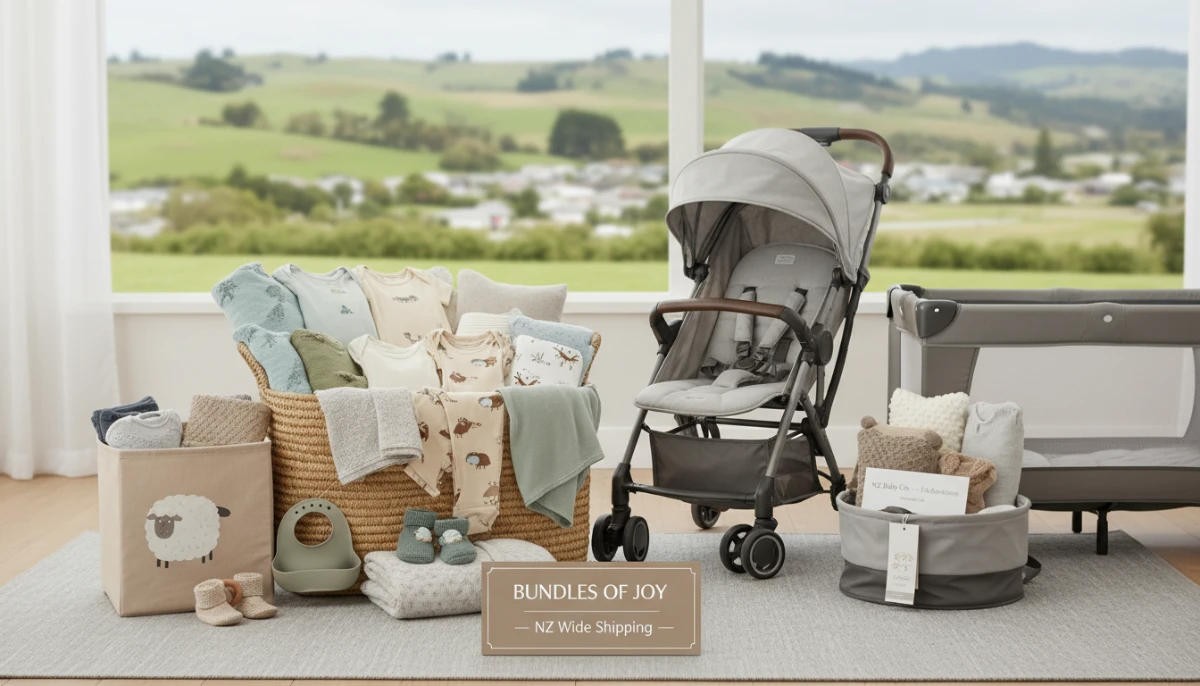
While this guide focuses on op shops, online marketplaces like TradeMe and Facebook Marketplace are significant players in the second hand baby gear NZ ecosystem. Each has its pros and cons.
Op Shops: Provide physical inspection, immediate pickup, and the knowledge that your money supports a charity. However, stock is unpredictable and you have to travel to multiple locations.
Marketplaces: Offer a wider selection and the ability to search for specific brands. However, you face the risk of “no-shows” during pickups, potential scams, and the lack of a standardized safety check that some charitable organizations provide.
WINZ Support and Baby Banks
In New Zealand, if you are struggling to afford essential gear, Work and Income (WINZ) may be able to provide a transition to parenting grant or a recoverable advance for essential items like cots and car seats. Social services work hand-in-hand with op shops to ensure no child goes without. Plunket nurses are also a great source of information for local community clothing swaps and toy libraries.
- Toy Libraries NZ: A sustainable way to cycle through toys without the clutter. For a small annual fee, you can borrow thousands of dollars worth of developmental toys.
- Plunket Community Hubs: Often host ‘pop-up’ second-hand markets and provide direct referrals to baby banks.
- Red Cross Shops: Often stock high-quality prams and strollers donated by local families, and they sometimes offer discounts for Community Services Card holders.
How to Donate Baby Gear in NZ?
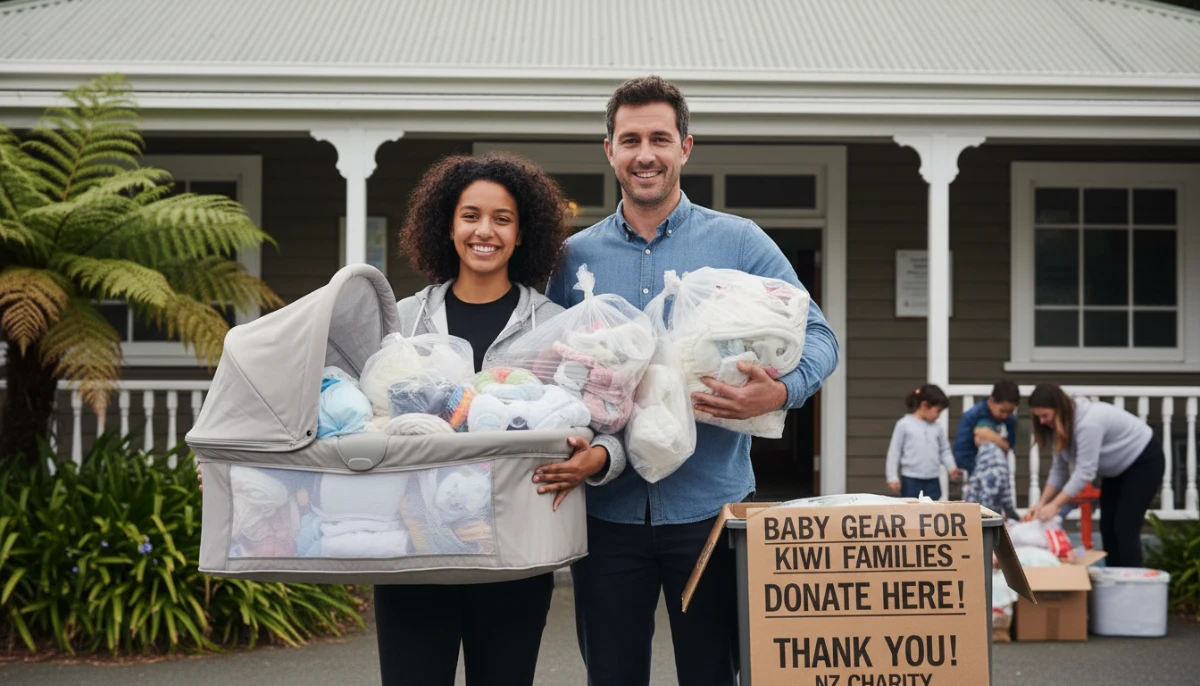
Once your child outgrows their gear, paying it forward is a vital part of the New Zealand parenting culture. However, op shops have strict rules on what they can accept due to liability and hygiene regulations. Items should be clean, functional, and complete with all parts. Most charities cannot accept mattresses or car seats that have expired. It is always best to call your local Salvation Army or Vinnies before dropping off large furniture items.
Expert Tips for Pre-Loved Shopping
As an expert in NZ family services, I recommend a ‘quality-first’ approach. Look for brands known for longevity like Mountain Buggy or Nature Baby. Check the ‘Buy Nothing’ groups on Facebook in your specific suburb (e.g., “Buy Nothing Ponsonby” or “Buy Nothing Riccarton”). These groups are based on the gift economy, where everything is given away for free.
Always sanitize hard surfaces with a child-safe disinfectant and wash all textiles in a hot cycle with a sensitive laundry liquid. This ensures that your second hand baby gear NZ is as hygienic as it is affordable. Finally, keep a running list of what you need. Op-shopping is about the “long game”—the best items often appear when you aren’t looking for them, so start your search early in your pregnancy.
Frequently Asked Questions
Is it legal to sell second-hand baby gear in NZ?
Yes, but the items must meet the safety standards set by the Commerce Commission. Sellers are legally responsible for ensuring products like cots and strollers are safe and compliant.
Can I buy a second-hand mattress?
While legal, it is generally discouraged by health professionals (including SIDS prevention groups) due to the risk of bacteria and the loss of firmness over time. If you do buy a used mattress, ensure it is completely clean, firm, and fits the cot perfectly.
Where is the best place for cheap merino baby clothes in NZ?
Merino is the gold standard for NZ babies. Look at op shops in the South Island or specialized Facebook groups like ‘Merino Resale NZ’ for the best deals on brands like Nature Baby or Mons Royale.
Do NZ op shops deliver furniture?
Some larger Salvation Army or Hospice shops offer delivery for a small fee, but most require you to arrange your own transport for larger items like cots or change tables.
Conclusion: The Future of Sustainable Parenting
Embracing second hand baby gear NZ is more than just a way to save money; it is a conscious decision to protect our environment and support our local communities. From the winding streets of Wellington to the coastal towns of the Bay of Plenty, New Zealand parents are proving that you don’t need a massive budget to provide a safe, beautiful, and high-quality start for your child. By understanding safety standards, utilizing charity networks, and maintaining gear properly, you can navigate the early years of parenthood with financial confidence and peace of mind. As the landscape of parenting in Aotearoa continues to evolve, the local op shop remains an indispensable ally for every whānau. Shop smart, stay safe, and join the movement toward a more sustainable future for the next generation of Kiwis.