Toy Libraries Near Me: Your Definitive Guide to Toy Libraries NZ
Est. Read Time: 10 mins | Last Updated: 22 December 2025 01:52 AM
Toy libraries nz offer a sustainable, affordable, and community-driven way for New Zealand whānau to access high-quality educational toys that support early childhood development without the financial burden or environmental waste of constant toy purchasing.
In Aotearoa, these libraries act as vital social hubs where parents and caregivers connect while giving children access to thousands of dollars worth of play equipment.
Whether you are in the heart of Auckland or a rural town in Southland, the network of toy libraries across the country ensures no child misses out on the tools they need for play-based learning.
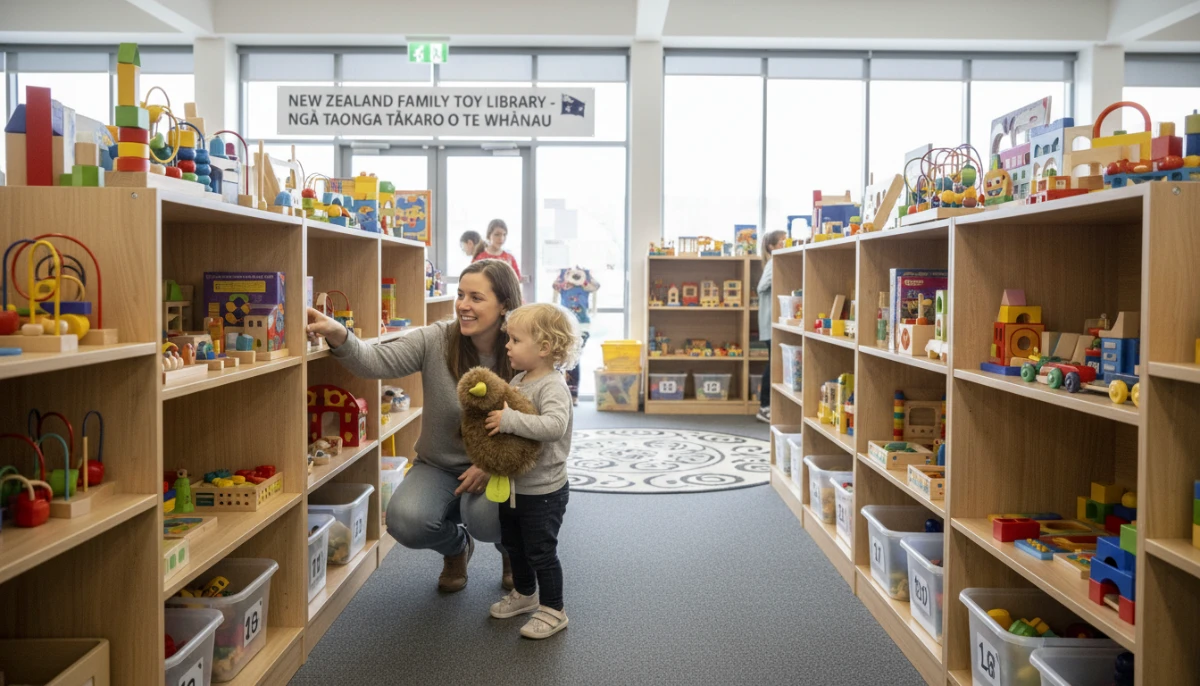
Why Choose Toy Libraries NZ for Your Family?
Choosing to use toy libraries nz is about more than just saving money; it is about enriching your child’s developmental journey through variety and novelty.
Children naturally outgrow toys quickly, and a library system allows you to rotate playthings to match their emerging milestones without cluttering your home.
From a World-Class SEO perspective, these institutions are the backbone of local community support, fostering connections between neighbors and providing a sense of belonging.
- Access to high-quality brands like Fisher-Price, Step2, and wooden Montessori sets.
- Promotes the ‘Circular Economy’ by reusing resources within the community.
- Reduces plastic waste in NZ landfills by discouraging ‘fast toy’ consumption.
- Provides a social network for new parents and migrants to meet local families.
- Saves space in modern, smaller Kiwi homes and apartments.
“The magic of a toy library isn’t just in the toys themselves, but in the community of care that surrounds them. It’s a place where resources are shared and children learn the value of looking after communal property.” — Aroha Thompson, Early Childhood Expert.
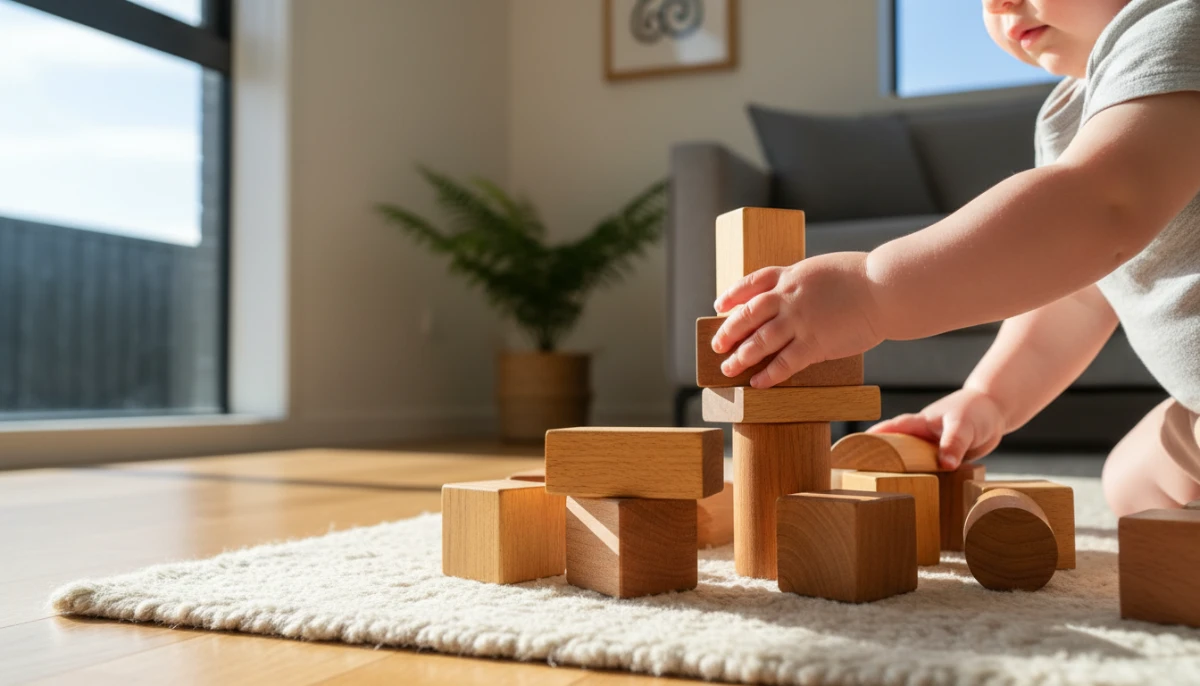
How Much Do Toy Libraries NZ Cost?
The cost of joining toy libraries nz is significantly lower than buying just one high-end toy from a retail store.
Typically, a New Zealand toy library will offer several membership tiers to suit different family needs and financial situations.
Annual fees generally fall between $40 and $100 per year, though many libraries offer a ‘Duty Membership’ at a discounted rate.
- Duty Membership: Lower fee (approx. $40-$60) but requires volunteering for a few hours per term.
- Non-Duty Membership: Higher fee (approx. $80-$120) with no volunteer requirement.
- Grandparent Membership: Often a casual or discounted rate for occasional visits.
- Koha/Concession: Many libraries offer support for Community Services Card holders to ensure inclusivity.
By investing in a membership, families gain access to thousands of items including ride-ons, puzzles, costumes, and STEM kits.
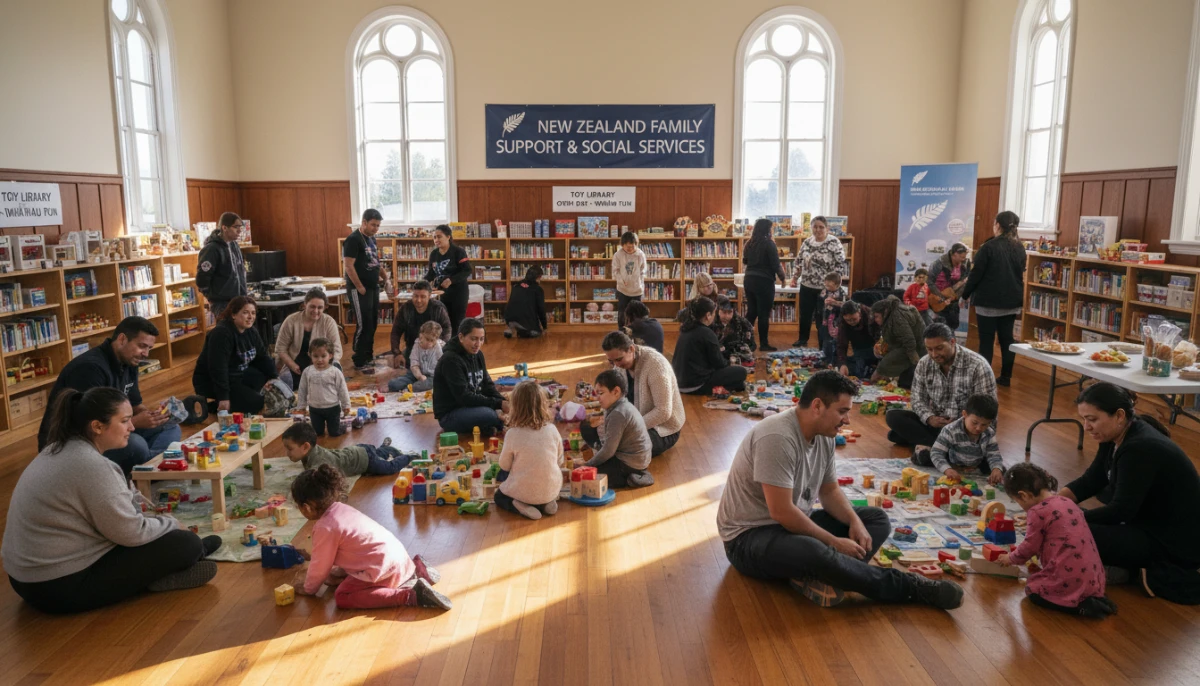
What Age Are Toy Libraries For?
One of the most common questions regarding toy libraries nz is whether they cater to older children or just infants.
While the ‘sweet spot’ for most libraries is the 0 to 5 age range, many have expanded their collections to support primary school children up to age 8 or 10.
The inventory is typically categorized by developmental stage rather than just age, ensuring that children with diverse needs can find appropriate tools for play.
- Infants (0-12 months): High-contrast toys, activity gyms, and sensory rattles.
- Toddlers (1-3 years): Walkers, ride-on cars, basic puzzles, and role-play kitchens.
- Preschoolers (3-5 years): Elaborate train sets, balance bikes, and complex construction sets.
- Primary (5-8+ years): Board games, science kits, and advanced building blocks like LEGO or Meccano.
How Do I Find a Toy Library Near Me?
Finding a local branch of toy libraries nz is straightforward thanks to the national federation and local council directories.
Most major cities like Auckland, Wellington, Christchurch, and Dunedin have multiple branches serving specific suburbs.
To start your search, visit the Toy Library Federation of New Zealand (TLFNZ) website, which hosts a comprehensive map of all registered libraries.
- Search Google Maps for ‘toy library [your suburb]’.
- Check with your local Ministry of Education regional office for early childhood resources.
- Look for flyers at your local Playcentre, Plunket clinic, or public library.
- Join local community Facebook groups where library open days are frequently advertised.
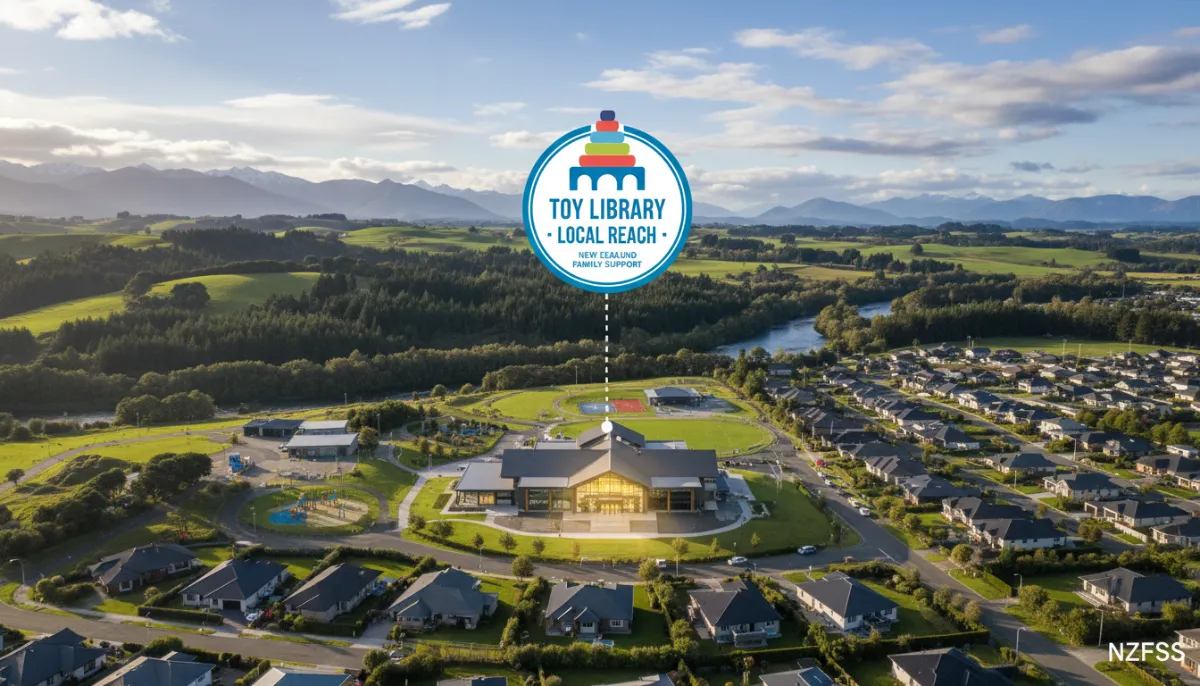
Environmental Impact & Sustainability
In the modern era, toy libraries nz are at the forefront of the sustainability movement in Aotearoa.
The toy industry is one of the most plastic-intensive industries in the world, and many toys have a very short lifespan before being discarded.
By sharing resources, toy libraries dramatically reduce the carbon footprint of parenting and prevent tons of plastic from reaching NZ landfills every year.
- Promotes the habit of ‘borrowing’ over ‘owning’ from a young age.
- Encourages the repair and maintenance of high-quality toys.
- Reduces the demand for new plastic production and shipping emissions.
- Supports New Zealand’s goal of becoming a zero-waste nation.
Key Takeaways for NZ Parents
- Cost Efficiency: Access over $2,000 worth of toys for the price of a single coffee per month.
- Developmental Variety: Keep your child engaged with new challenges every two weeks.
- Community Connection: Build relationships with other local parents and whānau.
- Eco-Friendly: Be a part of the solution to plastic waste in New Zealand.
- Flexibility: No-hassle borrowing and returning fits into busy family schedules.
About the Expert
Aroha Thompson is a Senior Family Services Consultant based in Wellington, New Zealand. With over 15 years of experience in the early childhood education sector (ECE), she specializes in community-based resource sharing and sustainable parenting practices. Aroha has worked closely with various NGOs to ensure that all Kiwi children have access to quality play-based learning tools.