Free GP Visits for Under 14s
Est. Read Time: 9 mins | Last Updated: 22 December 2025 01:27 AM
Ensuring the health of our tamariki is a cornerstone of the New Zealand healthcare system, which is why free GP visits for under 14s remain a critical pillar for kiwi families, providing cost-free medical consultations at enrolled practices and most after-hours clinics across the country to ensure financial barriers never prevent a child from receiving essential medical attention.
The Definitive Guide to Free GP Visits for Under 14s
In New Zealand, the government provides funding to ensure that healthcare is accessible for younger generations. The policy regarding free GP visits for under 14s is designed to reduce the prevalence of untreated minor illnesses escalating into serious health issues. This initiative, managed by Health New Zealand (Te Whatu Ora), means that if your child is aged between 0 and 13 (inclusive), they do not have to pay for a standard consultation with their regular doctor.
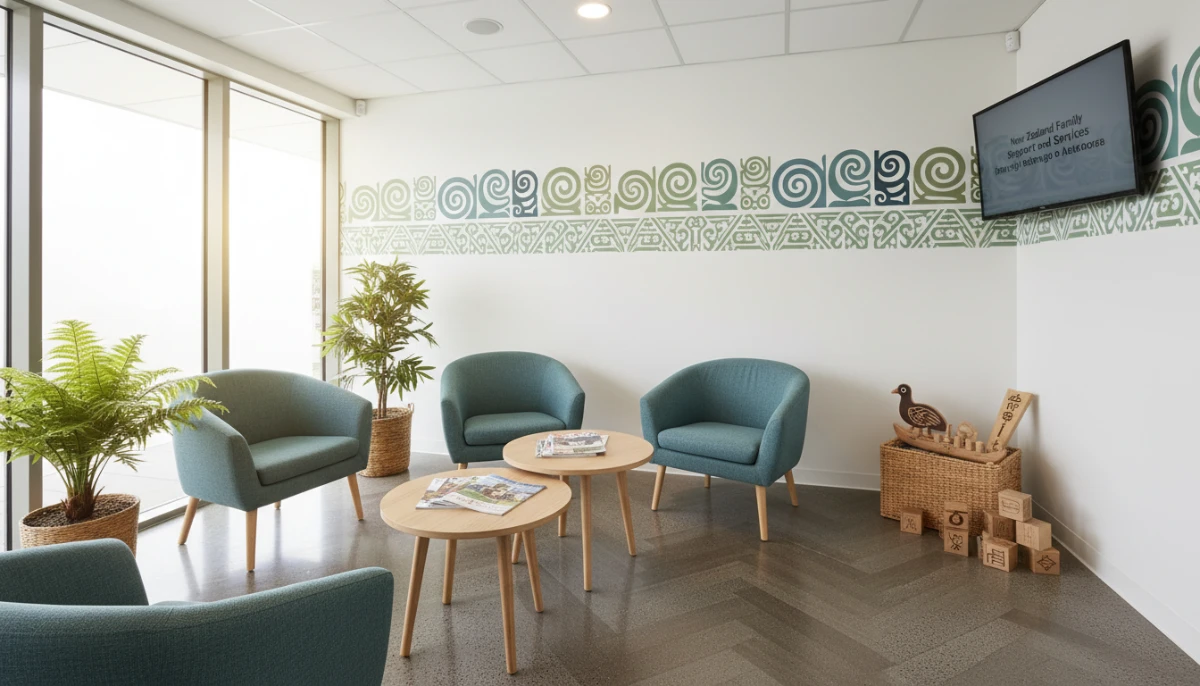
This service extends beyond just the consultation. It often includes regular immunisations, basic diagnostic checks during the visit, and referrals to specialists if required. However, it is vital to understand that “standard” is the operative word. Longer appointments or specialized procedures might incur costs, though most day-to-day ailments are fully covered.
- Covers general consultations for illness.
- Includes routine vaccinations on the NZ Immunisation Schedule.
- Applies to both physical and mental health concerns.
- Standard appointments are generally 15 minutes long.
Who is Eligible for Free GP Visits in New Zealand?
Eligibility for free GP visits for under 14s is tied primarily to residency and enrolment. To qualify, a child must be a New Zealand citizen, a permanent resident, or hold a visa that allows them access to public health services (such as a work visa valid for two years or more). The child must also be enrolled with a Primary Health Organisation (PHO).
“The goal of the zero-fees scheme is to ensure that every child in Aotearoa has an equal start in life, regardless of their family’s socioeconomic status. It is about equity as much as it is about health.” — Aroha Thompson, Public Health Analyst.
If your child is not enrolled at a specific clinic, you may still be charged a casual fee. Enrolment is a simple process involving filling out a form at your chosen medical center. Once enrolled, the government subsidy flows to that clinic, allowing them to offer the zero-fee service to your family. You can check your eligibility details on the Ministry of Health website.
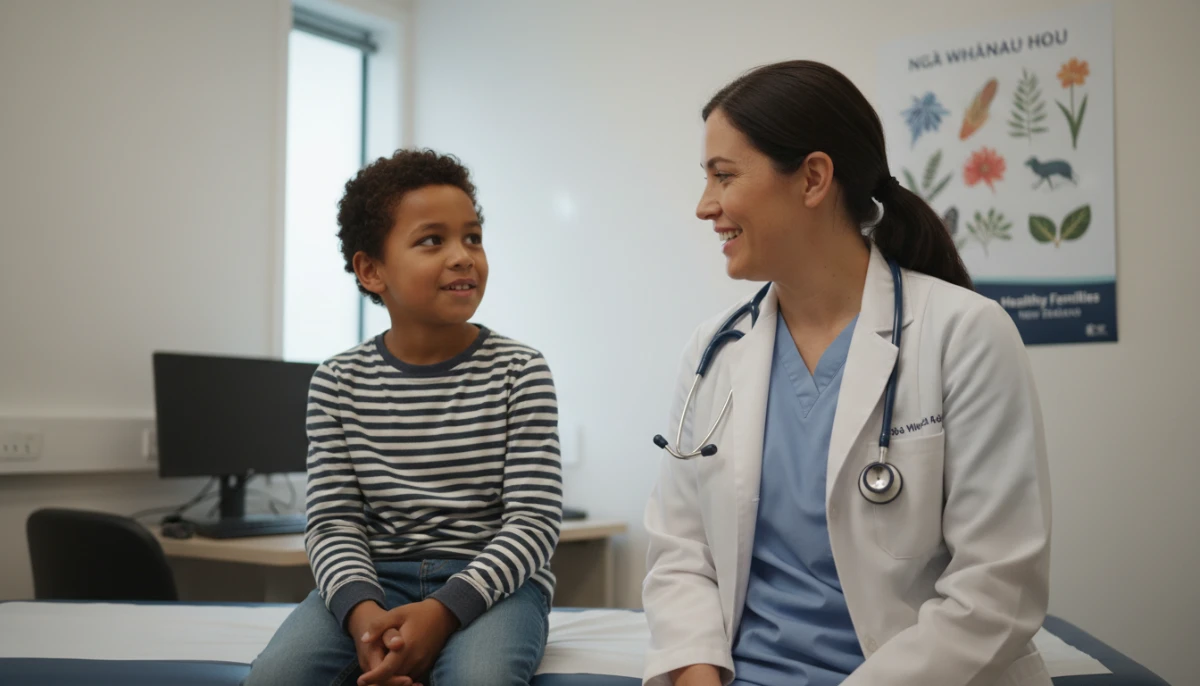
Does the Free GP Visit Cover After-Hours Care?
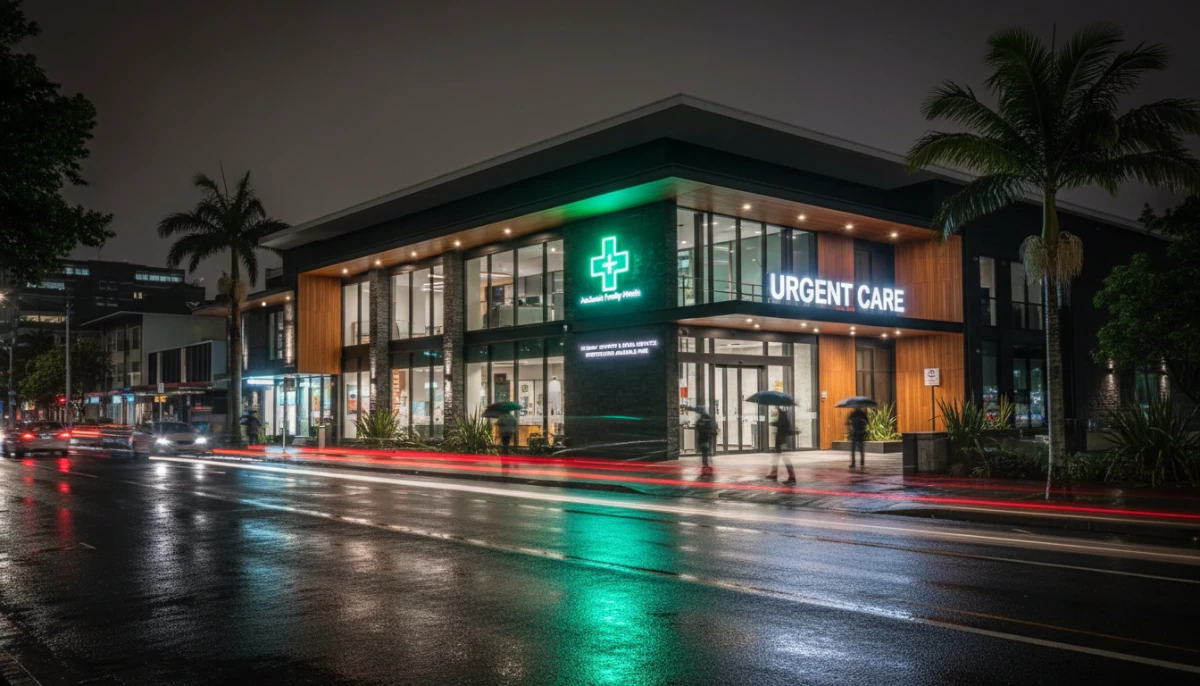
One of the most common questions parents ask is: Does the free GP visit cover after-hours care? The answer is generally yes. Most Accident and Medical (A&M) clinics and after-hours facilities in New Zealand participate in the zero-fees scheme for children under 14. This is crucial because children often fall ill or sustain minor injuries during evenings and weekends when regular clinics are closed.
While the consultation itself is free, parents should be aware that after-hours clinics may charge for certain extras. For example, if your child requires an X-ray, a specialized splint, or certain medical supplies, there might be a surcharge. However, the base fee for seeing the doctor or nurse remains at zero for those within the age bracket and eligibility criteria.
- Applies to most urgent care clinics nationwide.
- Includes weekend and public holiday visits.
- Covers initial assessment of injuries and acute illnesses.
- Surcharges may apply for non-standard medical consumables.
What Costs are Involved for Prescriptions?
When asking what costs are involved for prescriptions for children under 14?, parents will be pleased to know that standard prescriptions are also free. Under the same government initiative, the standard $5 pharmacy co-payment is waived for children under 14 for medicines that are fully subsidized by Pharmac. This ensures that after the free doctor’s visit, the medicine needed to treat the child is also accessible without cost.

There are exceptions to this rule. If the GP prescribes a medicine that is not fully subsidized by the government (Pharmac), the pharmacy will charge the difference in price. Additionally, if you choose to use a pharmacy that does not have a contract with the local health district, fees might apply, though this is rare with major providers like Chemist Warehouse, Unichem, or Life Pharmacy.
It is always recommended to check with the pharmacist if there is a fully funded alternative available if a cost is mentioned. Most GPs will default to prescribing fully funded medications for children to maintain the zero-cost pathway.
The Importance of PHO Enrolment
To consistently access free GP visits for under 14s, your child must be enrolled in a PHO. A PHO is a network of GPs and nurses that receive government funding to provide primary health services. Enrolment ensures that the clinic has your child’s medical records and receives the necessary capitation funding to keep fees at zero.
If you move house or change clinics, you must re-enrol at the new practice. This process can take a few weeks to formalize in the national system, so it is best to do it before your child actually becomes sick. For families who are not yet enrolled, the Te Pou resource provides excellent guidance on navigating the NZ health system layout.
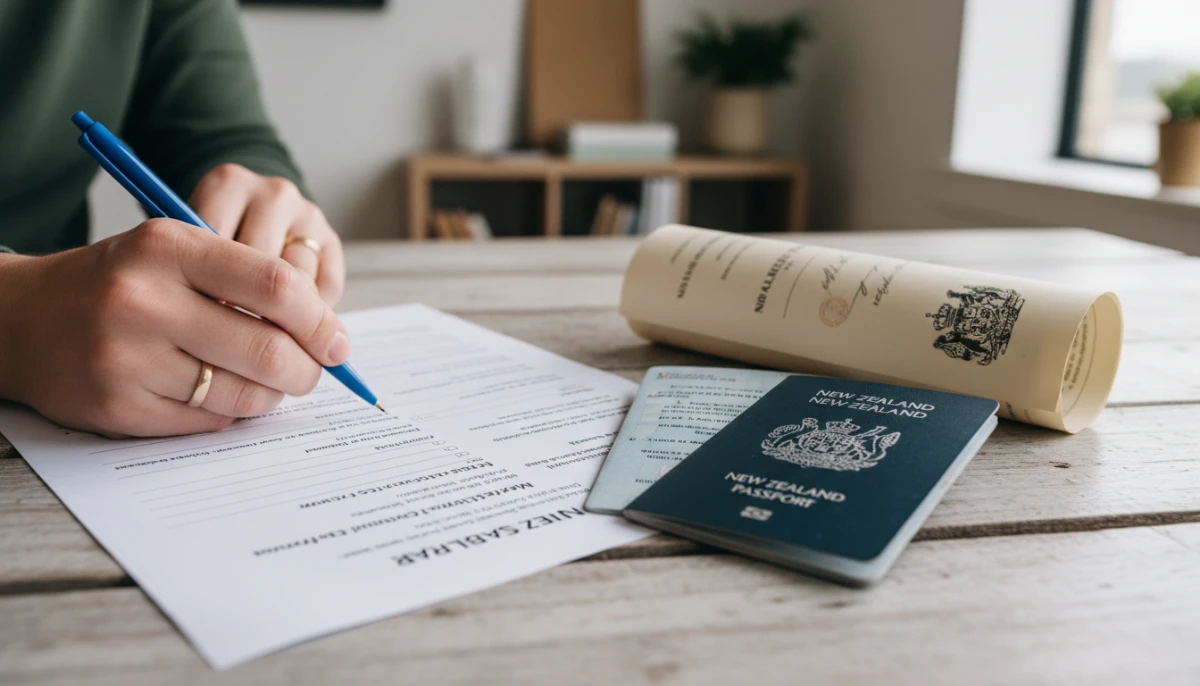
Furthermore, being enrolled allows the practice to send you reminders for critical health milestones, such as the 4-year-old B4 School Check and dental health referrals. It forms the foundation of what is known as the “Medical Home,” where your child’s health history is safely managed and monitored over time.
Frequently Asked Questions
Who is eligible for free GP visits in New Zealand?
As discussed, free GP visits for under 14s apply to all children under 14 years of age who are New Zealand residents or citizens and are enrolled with a Primary Health Organisation. This includes children of work visa holders who meet the specific 2-year criteria.
Does the free GP visit cover after-hours care?
Yes, the scheme is designed to be comprehensive. Most after-hours clinics in New Zealand provide zero-fee consultations for children under 14, ensuring that parents don’t have to wait until Monday morning to seek help for an unwell child.
What costs are involved for prescriptions for children under 14?
For standard, Pharmac-subsidized medications, there is no cost. The usual $5 co-payment is removed for this age group at participating pharmacies. Only non-subsidized or “part-charge” medicines will require a payment from the parent.
Conclusion & Key Takeaways
The provision of free GP visits for under 14s is a vital component of New Zealand’s social fabric. By removing the financial burden of primary care, the system encourages early intervention and better health outcomes for the next generation of Kiwis. Remember to keep your enrolment details up to date and always carry your child’s NHI (National Health Index) number if possible to streamline the process.
Key Takeaways:
- Zero Fees: Consultations are free for children aged 0-13 at their enrolled GP.
- After-Hours: Most urgent care clinics also offer free visits for this age group.
- Prescriptions: Standard subsidized medications are free at the pharmacy.
- Enrolment is Key: You must be enrolled with a PHO to guarantee zero fees.
- Residency Matters: Eligibility is tied to NZ residency or specific long-term visas.
About the Expert
Aroha Thompson is a Senior Public Health Policy Analyst based in Wellington, New Zealand. With over 15 years of experience in the Ministry of Health and various Primary Health Organisations, she specializes in maternal and child health policy. Aroha is dedicated to making the New Zealand healthcare system more transparent and accessible for all whānau.