Education & Schooling: The Definitive Guide to the NZ Education System
Est. Read Time: 12 mins | Last Updated: 22 December 2025 01:14 AM
Navigating the nz education system requires a deep understanding of the pathways available from early childhood to tertiary qualifications within the Aotearoa New Zealand landscape. The NZ education system is a student-centric framework designed to foster lifelong learning, cultural identity, and academic excellence across three distinct tiers: early childhood, schooling (primary/secondary), and tertiary education. This guide provides families and social service providers with the essential data needed to support learners through their educational journey.
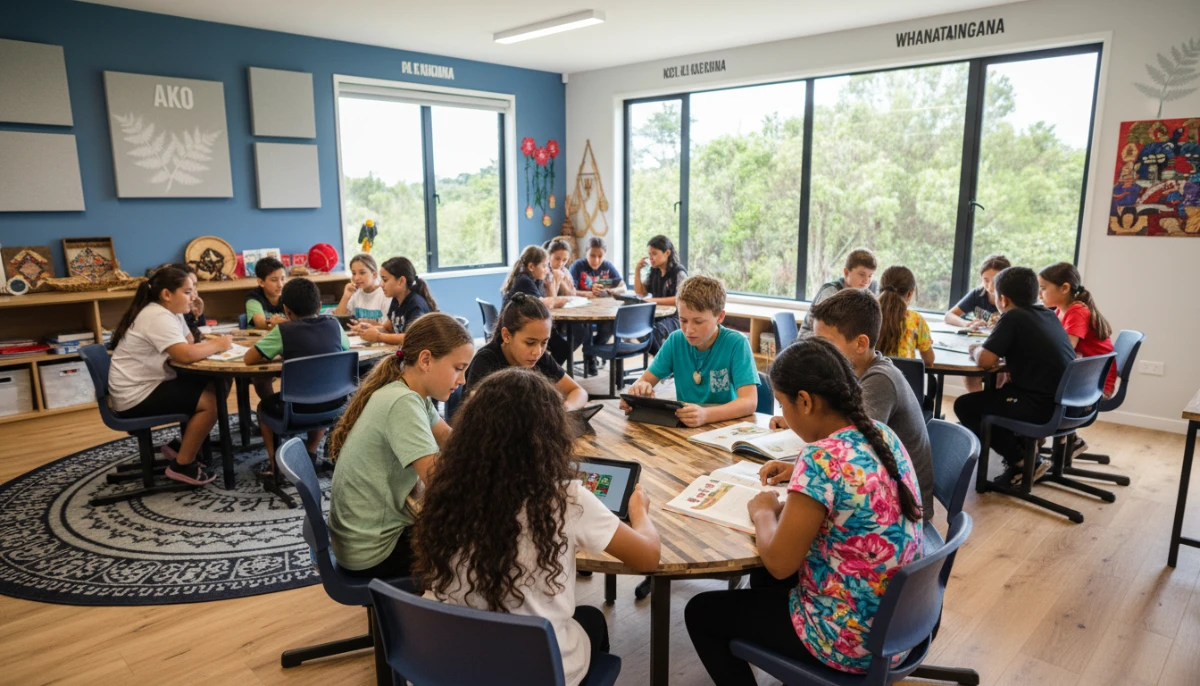
The system is governed primarily by the Ministry of Education (Te Tāhuhu o te Mātauranga), which sets the curriculum and policy. Evaluation is managed by the Education Review Office (ERO), ensuring that every school maintains high standards of teaching and safety.
Whether you are a new migrant or a long-term resident, understanding how schools are funded and how the curriculum integrates Te Tiriti o Waitangi (The Treaty of Waitangi) is crucial for student success.
Level 1: The NZ Education System and Early Childhood
Early Childhood Education (ECE) is the first formal stage of the nz education system, focusing on children from birth to age five. While not compulsory, over 95% of Kiwi children attend some form of ECE before starting primary school.
The ECE sector is guided by Te Whāriki, a world-renowned curriculum that emphasises holistic development and the empowerment of children as confident learners.
- Kindergartens: Community-based and often for children aged 2-5.
- Playcentres: Parent-led cooperatives focusing on family involvement.
- Kōhanga Reo: Māori immersion environments focusing on language and culture.
- Home-based Care: Education provided in a private home setting.
The government provides ’20 Hours ECE’ subsidies for three, four, and five-year-olds to make early learning more accessible for families across New Zealand.
“The strength of the NZ education system lies in its ability to blend academic rigour with social wellbeing, starting from the very first days of a child’s learning journey.” — Aroha Williams, Education Analyst.
The Schooling Years: From Primary to Secondary
Schooling is compulsory for children aged 6 to 16, though most start on their fifth birthday. The journey is divided into Year 1 through Year 13.
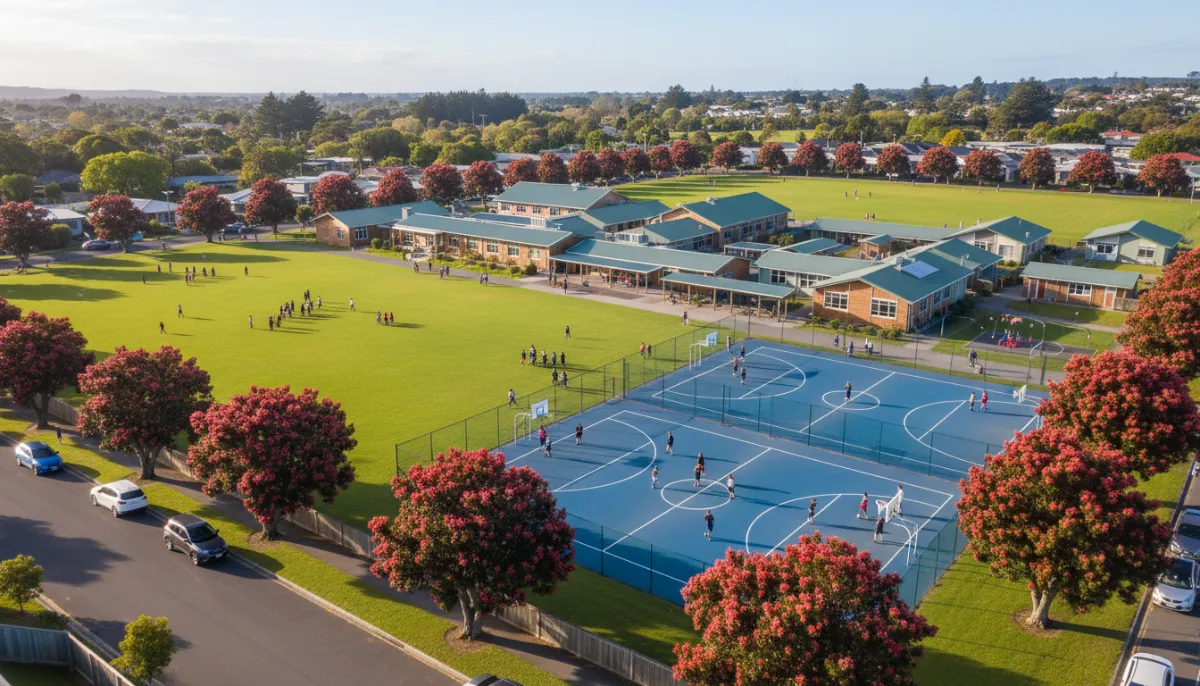
Primary schools (Years 1-6 or 1-8) focus on the foundations of literacy and numeracy. Intermediate schools (Years 7-8) serve as a bridge, introducing more specialized subjects and social development programs.
Secondary schools (Years 9-13), often called Colleges or High Schools, prepare students for adult life, further study, or the workforce. The curriculum is broad, allowing for vocational and academic paths.
- State Schools: Funded by the government and follow the national curriculum.
- State-Integrated Schools: Former private schools (often religious) that are now government-funded.
- Private Schools: Charge tuition fees and have their own governing boards.
- Kura Kaupapa Māori: Schools where the primary language of instruction is Te Reo Māori.
New Zealand transitioned from the ‘Decile System’ to the ‘Equity Index’ (EQI) in 2023. This change ensures funding is allocated more accurately based on the socio-economic challenges faced by students.
Navigating NCEA and Qualifications
The National Certificate of Educational Achievement (NCEA) is the main qualification for secondary school students. It is recognized globally and is highly flexible.
Students typically work towards NCEA Level 1 in Year 11, Level 2 in Year 12, and Level 3 in Year 13. Credits are earned through a mix of internal assessments and external exams.

University Entrance (UE) is the minimum requirement to attend a New Zealand university, requiring specific credits at Level 3. The New Zealand Qualifications Authority (NZQA) manages this framework.
- NCEA Level 1: Foundational skills and broad subject knowledge.
- NCEA Level 2: Often considered the minimum requirement for many entry-level jobs.
- NCEA Level 3: Preparation for tertiary study and specialized career paths.
For more detailed technical specifications on standards, visit the NZQA official website.
Family Support and Social Services Interpretation
Social services play a vital role in ensuring all students can participate in the nz education system regardless of their background or physical abilities.
Learning Support (formerly Special Education) provides resources for students with disabilities, learning difficulties, or behavioral challenges. This includes Teacher Aides and specialized equipment.
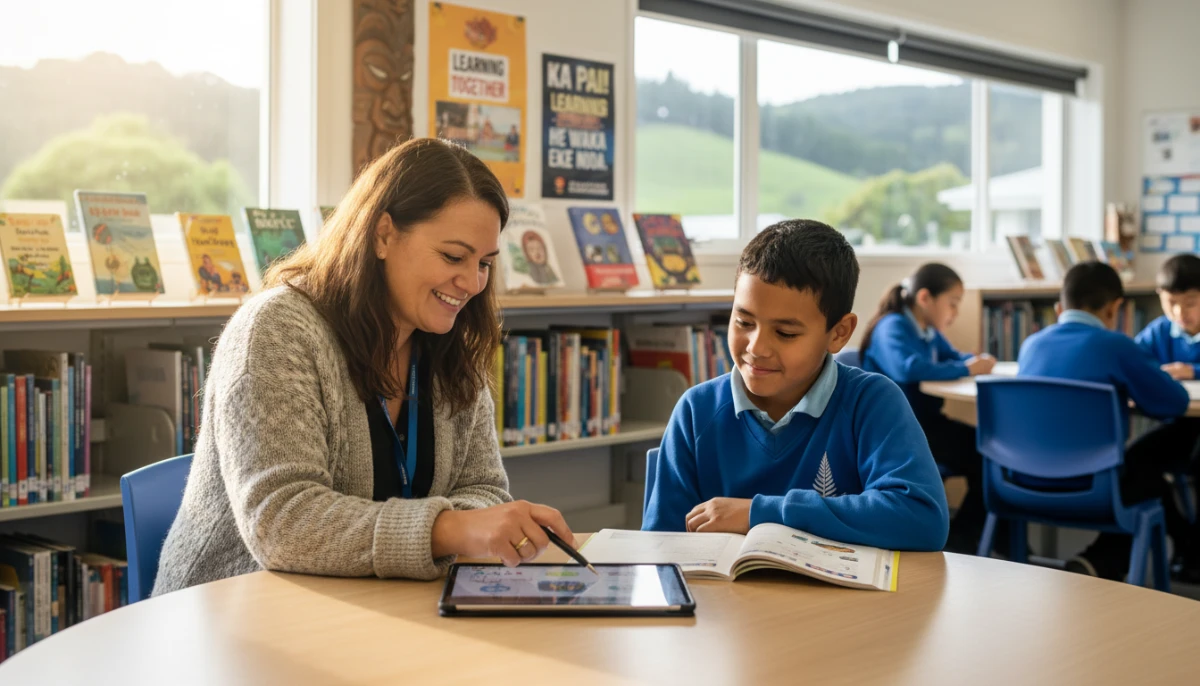
The RTLB (Resource Teachers: Learning and Behaviour) service supports teachers and schools in managing students who require extra help. Additionally, Oranga Tamariki works alongside schools to protect vulnerable children.
- ESOL Support: Funding for students where English is a second language.
- Social Workers in Schools (SWiS): Providing a link between home and school.
- Breakfast Clubs: Community-led initiatives to ensure no child learns on an empty stomach.
- Reading Recovery: Intensive literacy support for young learners.
For parents seeking help, the Ministry of Education offers various resources to guide families through the enrollment and support process.
The Equity Index and Funding
Understanding the Equity Index (EQI) is essential for interpreting how resources are allocated. The EQI looks at 20 different socio-economic factors to determine which schools need more funding.
This system replaces the old deciles, which were often misinterpreted as a measure of school quality rather than a measure of student need. The EQI ensures that the nz education system remains fair and equitable.
Schools use this extra funding to provide smaller class sizes, additional literacy programs, or health services that the local community might struggle to provide independently.
Frequently Asked Questions
What are the different levels of the NZ education system?
The system is split into ECE (0-5 years), Primary (Years 1-8), Secondary (Years 9-13), and Tertiary (University, Wānanga, and Polytechs).
How does the NZ education system support international students?
Through the Pastoral Care Code, schools must ensure international students are safe, well-housed, and receive appropriate academic support to succeed in a new environment.
Is schooling free in the NZ education system for residents?
Yes, state schools are free for residents. However, families are often asked for a ‘school donation’ to help cover extra-curricular costs, though this is voluntary.
Key Takeaways
- Holistic Approach: The system focuses on well-being and academic growth through Te Whāriki and the NZ Curriculum.
- Pathways: NCEA offers flexible pathways into trades, university, or immediate employment.
- Equity: The Equity Index ensures funding goes where it is needed most to close the achievement gap.
- Inclusivity: Specialized social services and learning support are integrated into the school environment.
- Governance: The Ministry of Education and ERO ensure high standards across all school types.
The nz education system continues to evolve, embracing digital transformation and cultural competency to prepare the next generation of New Zealanders for a global future.