Applying for Social Housing through MSD
Est. Read Time: 9 mins | Last Updated: 22 December 2025 01:10 AM
To apply for social housing NZ residents must undergo a comprehensive assessment with the Ministry of Social Development (MSD) to determine their level of housing need and placement on the Public Housing Register. This process ensures that those in the most precarious living situations, such as homelessness or overcrowded environments, receive priority access to stable, long-term accommodation provided by the government or registered community providers.
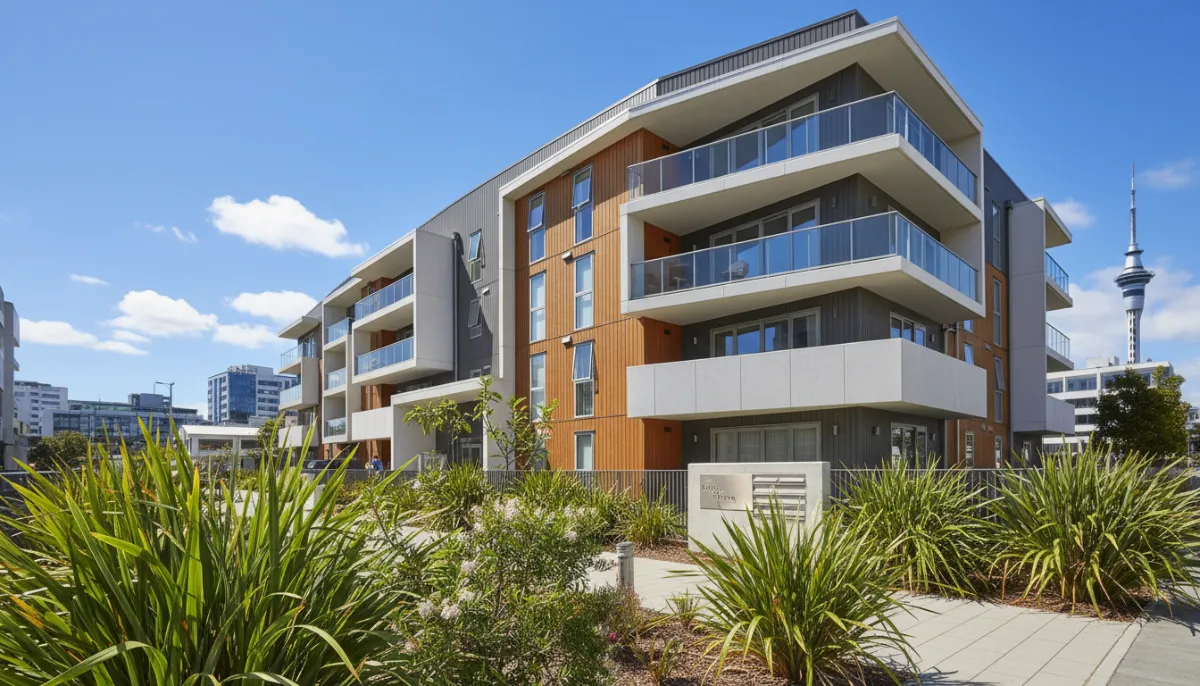
How to Apply for Social Housing NZ
The journey to secure a public home begins with a formal application through Work and Income (MSD). You cannot apply directly to Kāinga Ora for a house; all placements are filtered through the MSD assessment tool.
Step one involves a phone interview or an in-person meeting where a case manager evaluates your personal circumstances, financial position, and the urgency of your housing requirement.
Step two requires providing evidence of your situation. This often includes bank statements, proof of identity, and letters from doctors or social workers if health or safety is a factor in your need for relocation.
- Contact MSD on 0800 559 009 to book an assessment.
- Gather ID (Passport, Birth Certificate, or NZ Driver’s License).
- Prepare proof of income and any existing rental debt information.
- Disclose specific health or disability requirements for housing.
“The housing register is a live list; your position can change based on the needs of others and the availability of specific home types in your preferred area,” notes Aroha Williams.

Who is eligible to apply for social housing NZ?
Eligibility is not universal. The Ministry of Social Development uses a strict set of criteria to ensure that limited resources are allocated to those who truly cannot access the private rental market.
Generally, you must be a New Zealand citizen or a permanent resident who is ordinarily resident in the country. Temporary visa holders are usually ineligible for the permanent housing register.
Financial thresholds apply. Your income and assets must fall below a certain level. For example, if you own a property or have significant savings, you may be expected to secure a home without government intervention.
- Must be 16 years of age or older.
- Total household income must be within the specified limits.
- Asset testing (cash, investments, and property) is mandatory.
- Assessment of your ability to sustain a private rental must be low.

Understanding the Priority Rating System
Once you apply for social housing NZ, you are assigned a priority rating. This rating determines how quickly you might be matched with a property.
Priority A (At Risk) is reserved for those with an urgent need for housing. This includes people who are homeless, living in emergency accommodation, or residing in houses that are structurally unsafe or severely overcrowded.
Priority B (Serious Need) is for those with a significant housing need but who are not in an immediate crisis. These applicants may be in temporary situations that are stable for the short term but unsustainable long term.
The rating takes into account five key factors: Adequacy, Affordability, Accessibility, Sustainability, and Security. Each factor is scored to create a holistic view of your vulnerability.
Income-Related Rent Subsidy (IRRS)
One of the primary benefits of being on the register is the Income-Related Rent Subsidy. This ensures that you only pay what you can afford, typically 25% of your net household income.
The government pays the difference between your contribution and the market rent directly to the landlord (Kāinga Ora or a CHP). This makes housing affordable regardless of market fluctuations.
You can learn more about rent calculations on the official Work and Income website. Maintaining this subsidy requires regular updates to MSD regarding your income changes.
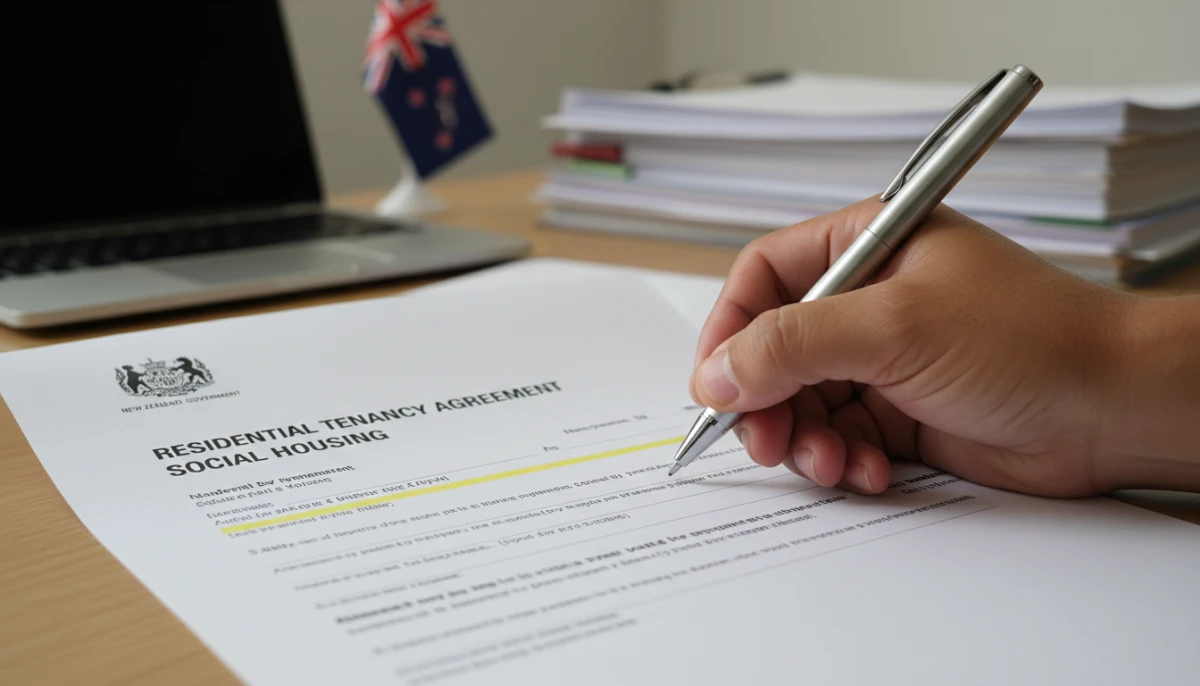
Kāinga Ora vs. Community Housing Providers
When you are approved, you might be offered a home managed by either Kāinga Ora (the state housing agency) or a Community Housing Provider (CHP) like the Salvation Army or Emerge Aotearoa.
Kāinga Ora is the largest provider, managing the majority of the housing stock. They focus on urban development and large-scale community regeneration across New Zealand.
CHPs are often smaller and may offer specialized support services, such as mental health assistance or budgeting advice, alongside the tenancy itself.
- Kāinga Ora manages over 60,000 properties nationwide.
- CHPs often provide ‘wraparound’ support for vulnerable tenants.
- Both types of providers utilize the same Income-Related Rent Subsidy.
- Tenants have the same rights under the Residential Tenancies Act.
“Choosing a community housing provider can often lead to better long-term outcomes for families needing extra social support,” says a spokesperson from the Kāinga Ora website.
How long is the wait after I apply for social housing NZ?
Wait times vary significantly depending on your location and the size of the house you require. In high-demand areas like Auckland or Wellington, the wait for a three-bedroom home can be years for those in Priority B.
The MSD Housing Register is updated quarterly, and you can check the latest statistics to see how many people are waiting in your specific region. Keeping your contact details up to date is crucial; if MSD cannot reach you, you may be removed from the list.
Key Takeaways for Your Application
- Start the process early by calling MSD for an initial assessment.
- Ensure all financial documents are organized and current.
- Be realistic about your preferred locations; flexibility can shorten wait times.
- Update MSD immediately if your income, family size, or health status changes.
- The Income-Related Rent Subsidy keeps your costs capped at 25% of your income.
About the Expert
Aroha Williams is a World-Class Social Services Architect with over 15 years of experience navigating the New Zealand welfare and housing sectors. She specializes in policy interpretation and advocacy for families in the Greater Auckland and Waikato regions, helping hundreds of New Zealanders secure stable futures through state-assisted programs.