Est. Read Time: 9 mins | Last Updated: 22 December 2025 01:09 AM
Healthy Homes Checklist for Tenants
Navigating the rental market in Aotearoa requires a clear understanding of your legal rights regarding property quality and warmth. The healthy homes standards checklist is a mandatory compliance tool designed to ensure that every rental property in New Zealand provides a warm, dry, and safe environment for tenants by meeting specific minimum requirements for heating, insulation, ventilation, moisture ingress, and draught stopping. This framework serves as a vital component of New Zealand family support and social services interpretation, ensuring that housing health outcomes are prioritized over commercial interest.
Table of Contents
- The Ultimate Healthy Homes Standards Checklist
- Heating: The Main Living Room Rule
- Insulation: Keeping the Heat In
- Ventilation: Preventing Mould and Damp
- Moisture Ingress and Drainage: Ground Barriers
- Draught Stopping: Eliminating Unwanted Airflow
- Tenant Rights and Compliance Timelines
- Frequently Asked Questions
The Ultimate Healthy Homes Standards Checklist
Since the introduction of the Residential Tenancies (Healthy Homes Standards) Regulations 2019, landlords have been required to ensure their properties meet specific benchmarks. For a tenant, knowing what to look for can prevent health issues like asthma and respiratory infections caused by damp housing.
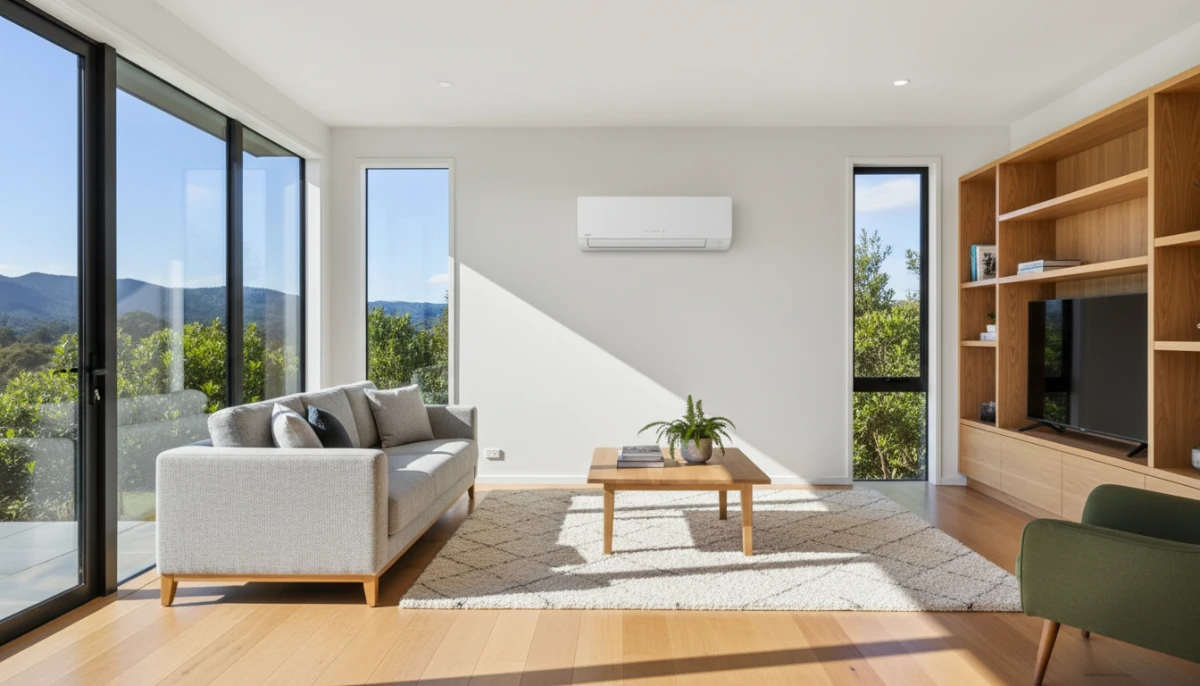
The core of the healthy homes standards checklist focuses on five key areas of property health. Landlords must include a compliance statement in any new, varied, or renewed tenancy agreement, detailing the current status of these standards. If you are entering a new tenancy, this checklist is your first line of defense against substandard living conditions.
- Does the living room have a fixed heating source?
- Is the ceiling and underfloor insulation up to 2019 code?
- Are there extractor fans in the kitchen and bathroom?
- Is there a ground moisture barrier for suspended timber floors?
- Are there noticeable gaps in the windows or doors?
Heating: The Main Living Room Rule
Under the healthy homes standards checklist, landlords must provide a fixed heater that can reach a minimum temperature of 18 degrees Celsius in the main living room. This requirement is calculated based on the heat loss of the room, taking into account walls, windows, and ceiling area.
“A warm home is not just a comfort; it is a fundamental human right that impacts educational outcomes for children and health stability for the elderly.” – NZ Social Services Advisory.
Small electric heaters or inefficient older units often fail this standard. In most cases, a modern heat pump or a flued gas heater is required to meet the specific kilowatt output needed for the space. Portable electric heaters are strictly forbidden as the primary heat source for compliance.
Insulation: Keeping the Heat In
Insulation is the backbone of the healthy homes standards checklist. In New Zealand, ceiling insulation must be at least 120mm thick or meet the R-value requirements of the time it was installed. If the insulation has degraded or is thinner than the current standard, it must be topped up or replaced.
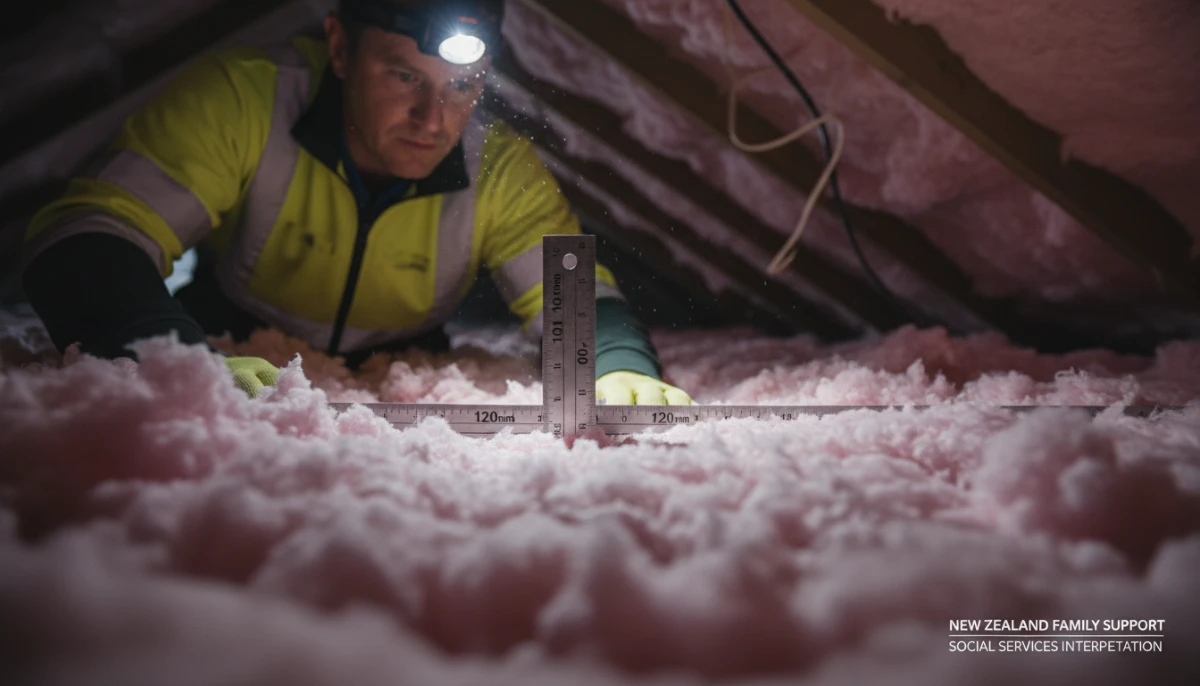
Underfloor insulation must have a minimum R-value of 1.3. For tenants, this means checking the compliance statement to ensure the landlord has verified the state of the insulation. Proper insulation significantly reduces energy bills and prevents the ‘ice-box’ effect common in older kiwi villas.
- Check the thickness of ceiling batts.
- Ensure no gaps exist between insulation segments.
- Verify that insulation is not touching downlights or electrical hazards.
Ventilation: Preventing Mould and Damp
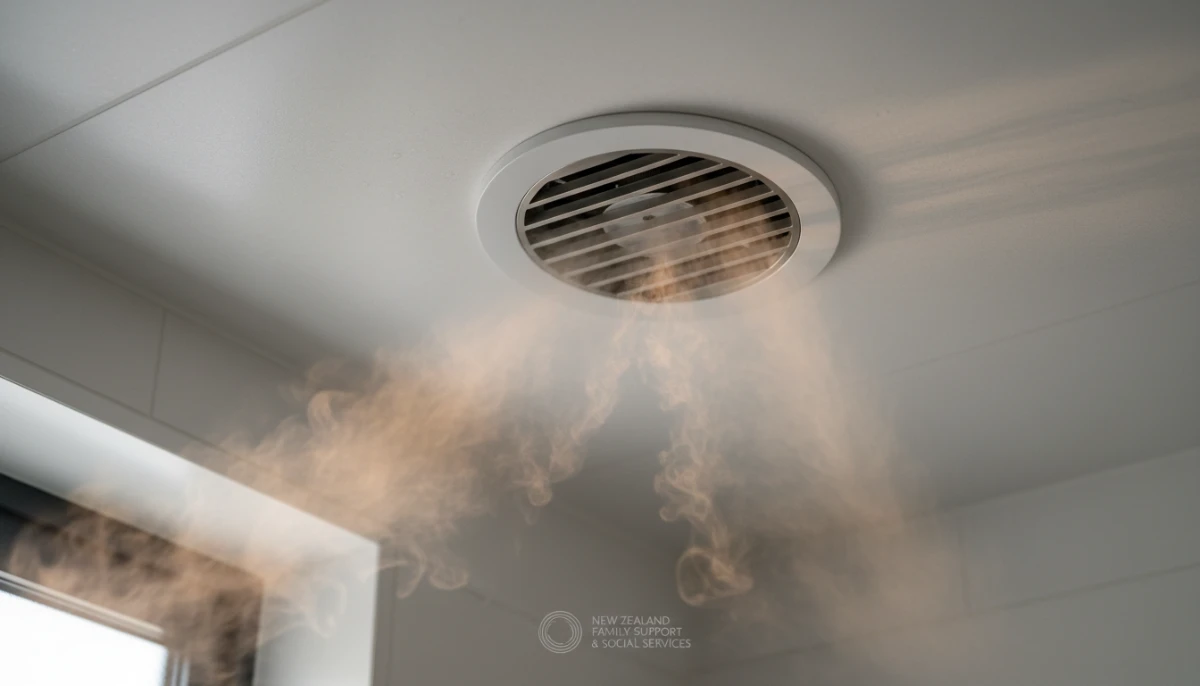
Poor ventilation leads to internal moisture, which is the primary cause of black mould. The healthy homes standards checklist requires that all kitchens and bathrooms have extractor fans that vent to the outside. This is a critical move by Tenancy Services to improve air quality.
In the kitchen, the fan must have a minimum diameter of 150mm or an exhaust capacity of at least 50 liters per second. In the bathroom, the capacity must be at least 25 liters per second. Additionally, all habitable rooms must have openable windows that comprise at least 5% of the floor area.
Moisture Ingress and Drainage: Ground Barriers
New Zealand properties often suffer from rising dampness. The healthy homes standards checklist mandates that rental properties have efficient drainage for the removal of storm water, surface water, and ground water. This includes functioning gutters, downpipes, and drains.
Furthermore, if the property has a suspended timber floor with an enclosed sub-floor space, a ground moisture barrier must be installed. This is typically a heavy-duty polythene sheet that stops moisture from the earth rising into the floorboards and causing rot or dampness inside the home.
Draught Stopping: Eliminating Unwanted Airflow
Even a well-insulated home will remain cold if there are significant draughts. The healthy homes standards checklist requires landlords to stop any unreasonable gaps or holes in walls, ceilings, windows, doors, and floors that cause a noticeable breeze.
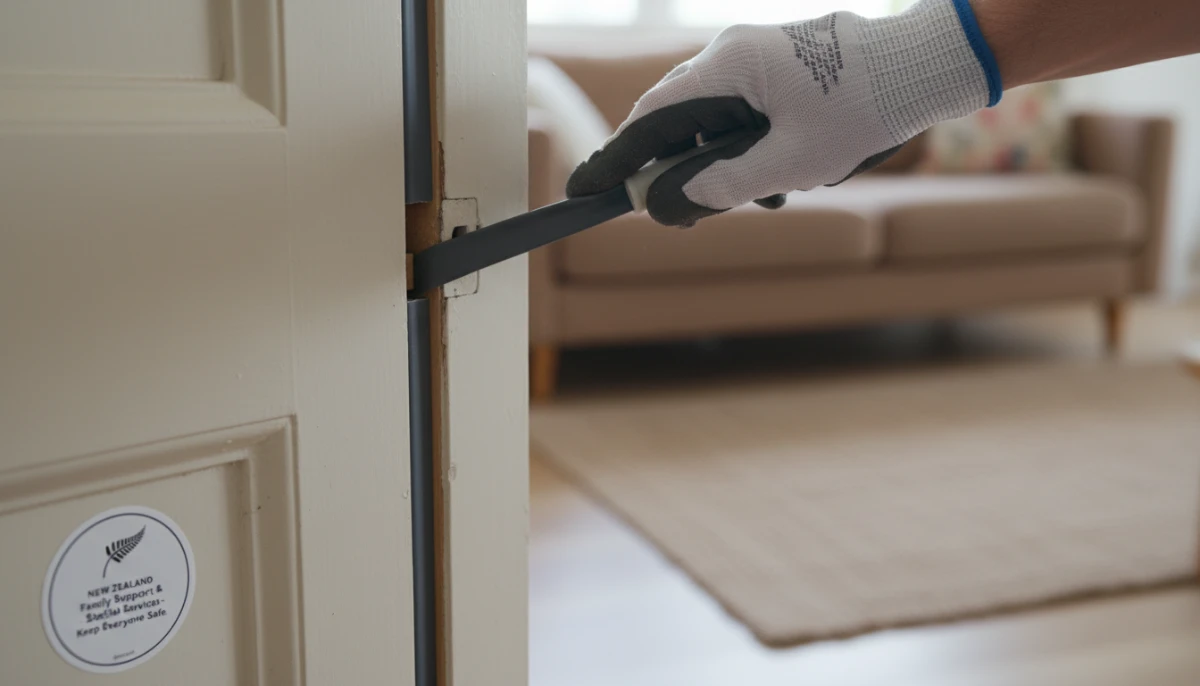
Common culprits include unused fireplaces and chimneys, which must be blocked unless the tenant and landlord agree otherwise in writing. If you can feel a draught through a closed window or under a door, the property may not be compliant with the latest standards.
Tenant Rights and Compliance Timelines
As of July 2025, nearly all private rentals must be fully compliant with the healthy homes standards. For those in social housing (Kāinga Ora) or registered community housing, compliance deadlines were accelerated. Understanding these timelines is essential for family support services interpretation in a legal context.
If you believe your home is non-compliant, you should first approach your landlord or property manager. If no action is taken, you can issue a 14-day notice to remedy. The Tenancy Tribunal remains the final arbiter for disputes regarding the healthy homes standards checklist, and they have the power to award damages to tenants living in substandard conditions.
Frequently Asked Questions
What are the 5 healthy homes standards?
The five healthy homes standards are: 1. Heating, 2. Insulation, 3. Ventilation, 4. Moisture Ingress and Drainage, and 5. Draught Stopping. These are enforced by MBIE and Tenancy Services to ensure rental stock quality.
Is a healthy homes assessment mandatory?
A formal assessment report is the best way to prove compliance. While the law requires a compliance statement, most landlords require a professional assessment to accurately fill out this document and avoid legal liability.
What happens if a landlord doesn’t meet healthy homes standards?
Non-compliant landlords can be fined up to $7,200 in exemplary damages. They may also be ordered to carry out the necessary repairs within a strict timeframe set by the Tenancy Tribunal.
Key Takeaways
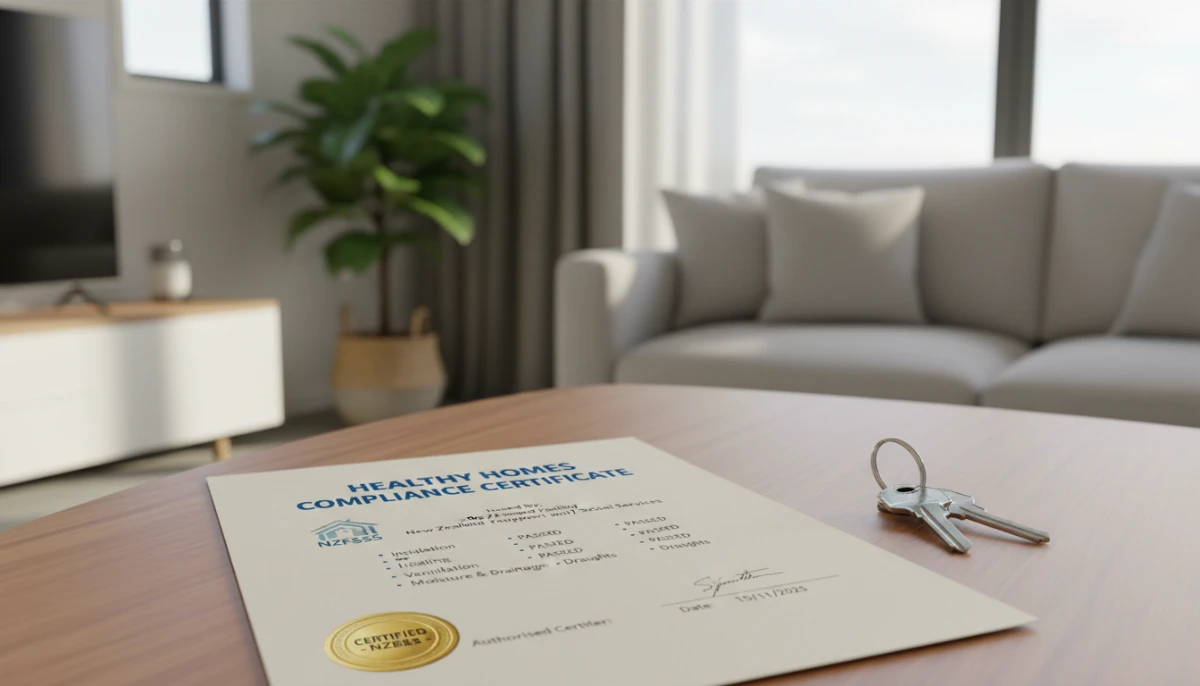
- Check the Statement: Always review the Healthy Homes Compliance Statement before signing a lease.
- Heating Matters: Ensure the living room has a fixed, efficient heater, not a plug-in radiator.
- Ventilation is Vital: Fans in the kitchen and bathroom must vent to the outside, not into the ceiling.
- Barriers Save Health: Ground moisture barriers are essential for older houses with sub-floor spaces.
- Seek Support: If your landlord refuses to comply, contact Tenancy Services or a local Community Law Centre.
About the Expert
Aroha Williams is a Senior Housing Policy Consultant with over 15 years of experience in the New Zealand social services sector. She specializes in the Residential Tenancies Act and has advised government bodies on the implementation of the Healthy Homes Standards. Her work focuses on ensuring equitable housing outcomes for all New Zealanders.
For official information, visit the Tenancy Services Healthy Homes page or read the full legislation here.