Tenant Rights Mouldy Home: The Definitive NZ Legal Guide
Est. Read Time: 9 mins | Last Updated: 22 December 2025 01:04 AM
Understanding your tenant rights mouldy home is critical for every New Zealander living in rental accommodation to ensure a healthy and safe living environment. Under the New Zealand Residential Tenancies Act and Healthy Homes Standards, tenants have the legal right to a dry, well-ventilated, and mould-free home; landlords are strictly obligated to address structural dampness and provide adequate heating and ventilation to prevent fungal growth.
Living in a damp environment isn’t just unpleasant; it is a significant health risk that can lead to respiratory issues and asthma. In New Zealand, the climate makes moisture management a top priority for property management.
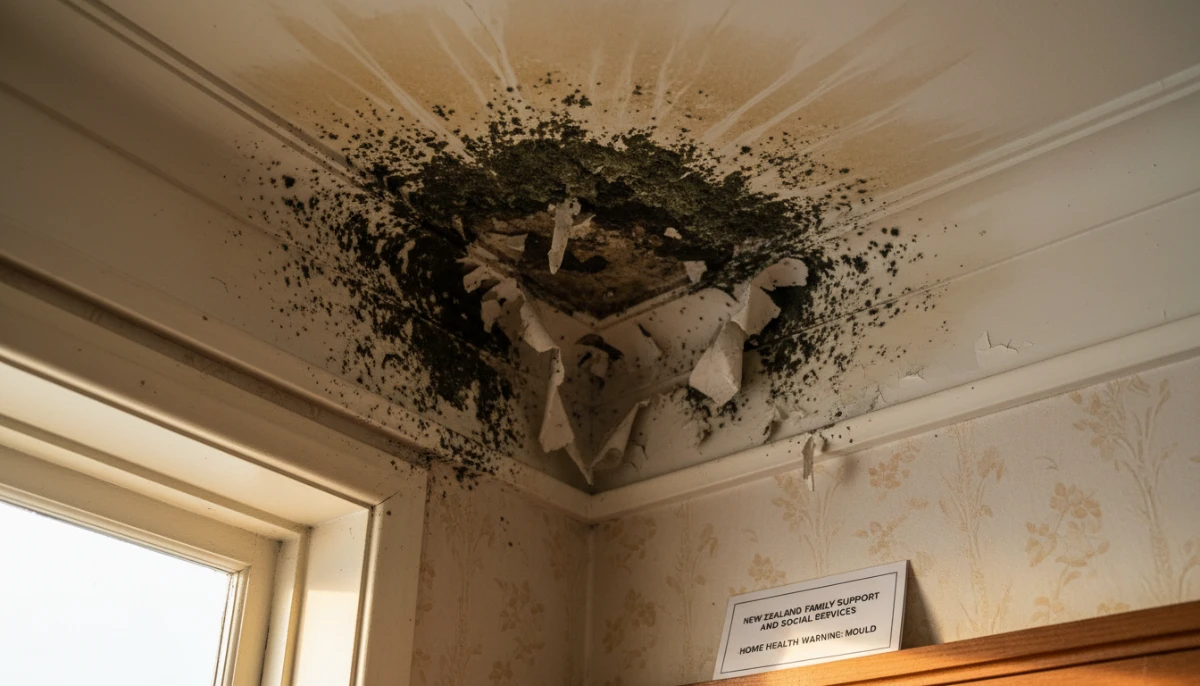
What are my rights as a tenant with a mouldy home in NZ?
Your tenant rights mouldy home are protected primarily by the Residential Tenancies Act 1986. This legislation requires landlords to provide premises in a reasonable state of repair.
This means the house must be habitable. If mould is caused by structural issues like a leaking roof or rising damp, the responsibility lies squarely with the landlord.
“A property that grows mould due to poor ventilation or lack of maintenance is not legally fit for habitation under New Zealand law.” — NZ Housing Advocacy Group
If you discover mould, your first right is to have the issue investigated promptly. You should document all findings with photos and written correspondence to ensure a clear paper trail.
- Right to a dry and safe living environment.
- Right to request repairs for moisture ingress.
- Right to a 14-day notice process to force repairs.
- Right to seek compensation for damaged belongings.
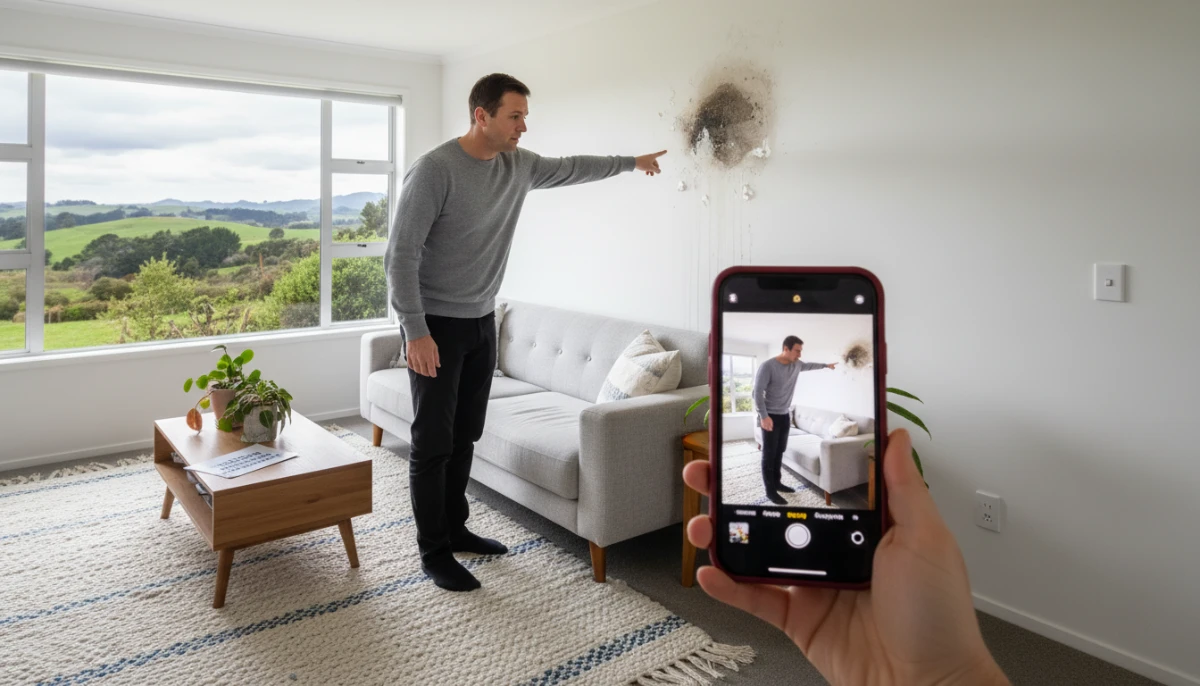
Healthy Homes Standards & Dampness
The Healthy Homes Standards (HHS) introduced specific requirements for ventilation, moisture ingress, and drainage. These standards are the backbone of your protection in a rental property.
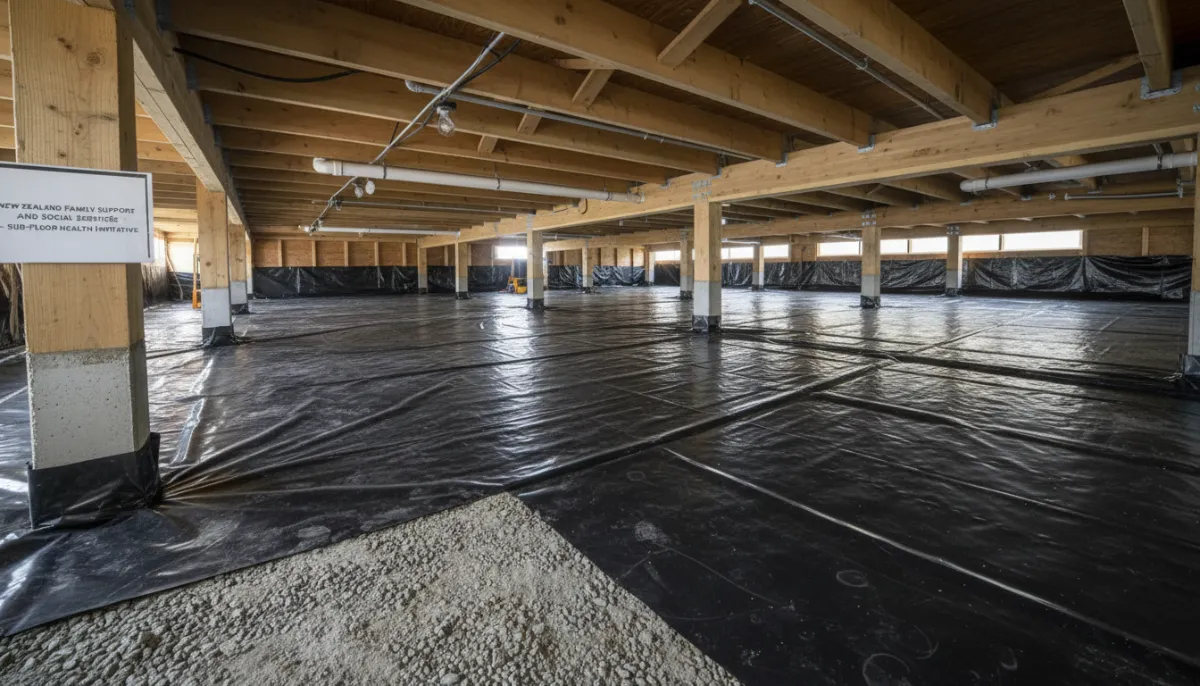
Landlords must ensure that the property has efficient drainage for the removal of storm water, surface water, and groundwater. This prevents the buildup of moisture under the floorboards, which is a common cause of mould in older NZ homes.
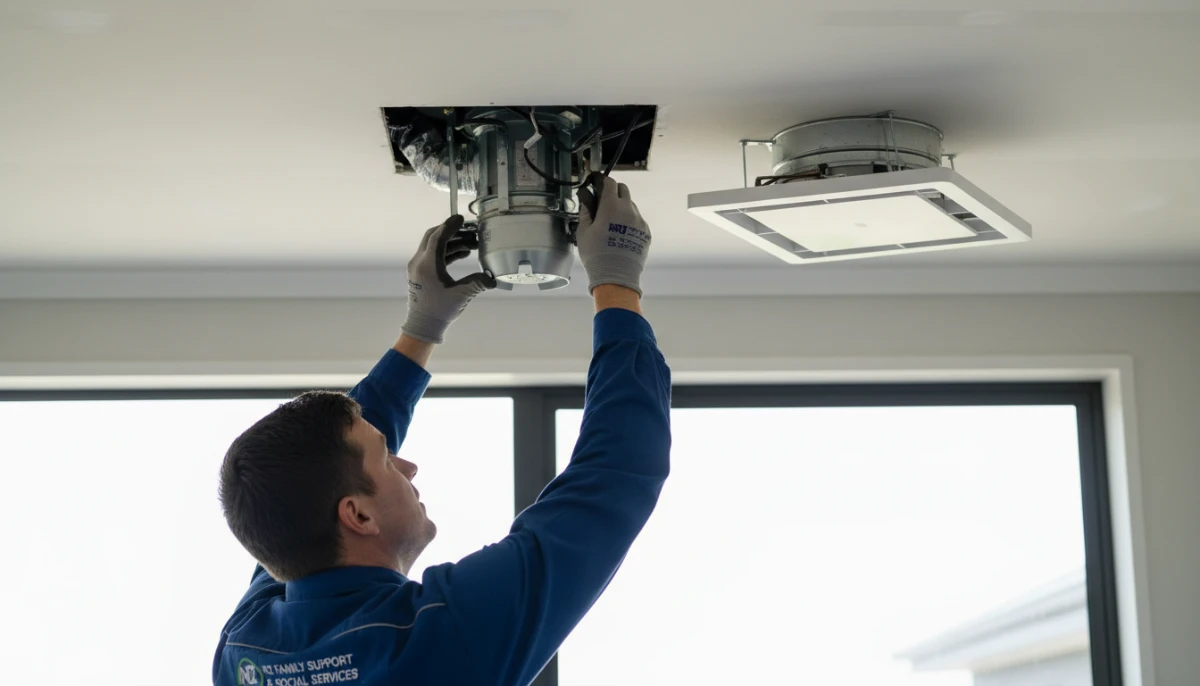
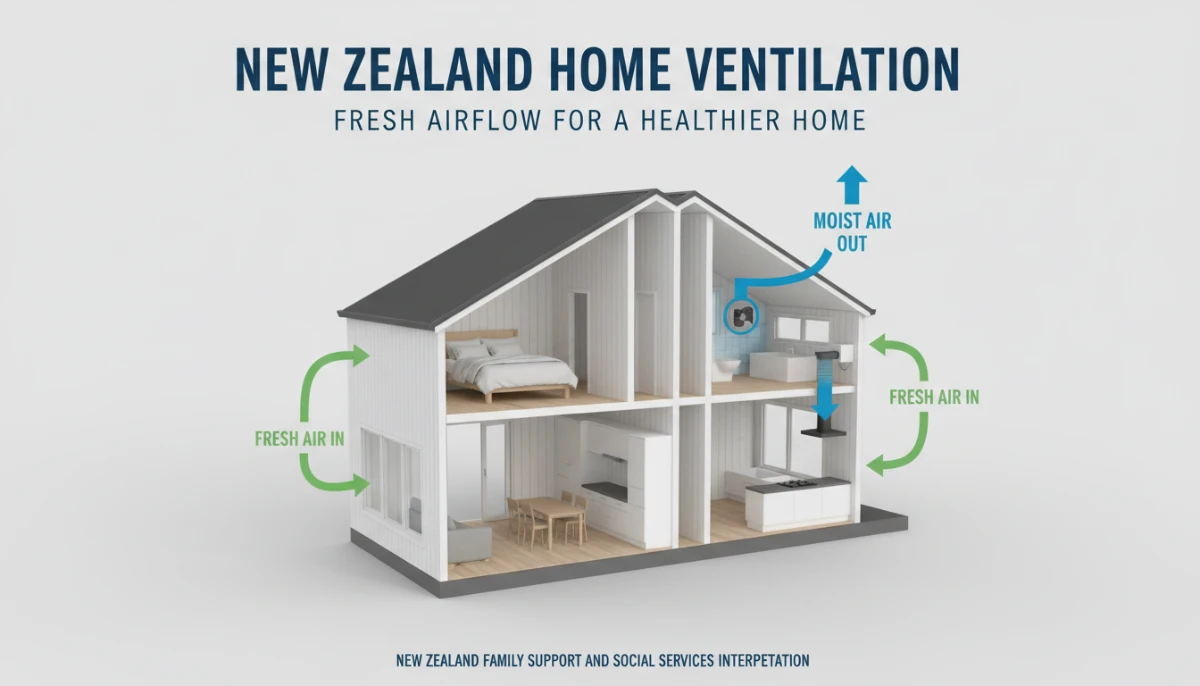
Furthermore, kitchens and bathrooms must have mechanical extract fans. These fans must vent to the outside, not just into the ceiling space, to effectively remove moist air from the home.
You can check the compliance of your home by reviewing the Healthy Homes Standards on the official Tenancy Services website. If your home doesn’t meet these by the required deadline, the landlord may be liable for exemplary damages.
Can I stop paying rent if there is mould?
A common misconception regarding tenant rights mouldy home is that you can withhold rent if the house is damp. Never stop paying your rent.
Withholding rent is a breach of the Residential Tenancies Act and can lead to an immediate application for termination of your tenancy. Instead, you have better legal avenues to explore.
If the mould makes the home partially uninhabitable, you can apply to the Tenancy Tribunal for a rent reduction or a refund of rent for the period the property was affected. This keeps you in the right legally while still holding the landlord accountable.
Landlords are responsible for:
- Fixing leaks in roofs, walls, and windows.
- Installing ground moisture barriers in sub-floor spaces.
- Maintaining gutters and downpipes to prevent overflow.
- Providing adequate heating (usually a heat pump in the main living area).
How do I report a mouldy rental property to the Tenancy Tribunal?
If your landlord ignores your requests, the Tenancy Tribunal is your next step. This is a formal court process specifically designed for landlord-tenant disputes in New Zealand.
Before applying, you must issue a “14-Day Notice to Remedy.” This gives the landlord 14 consecutive days to fix the issue. If they fail to act within this window, you can file your application via the Tenancy Services website.
The Tribunal can order the landlord to carry out repairs, pay you compensation, or grant a rent reduction. In severe cases of neglect, the landlord can be fined up to $7,200 in exemplary damages for failing to maintain the property.
For more detailed legal wording, you should consult the Residential Tenancies Act 1986 directly.
Step-by-Step Guide to Remedying Mould
Navigating tenant rights mouldy home requires a systematic approach. Follow these steps to ensure you are protected and the issue is resolved.
- Identify the Source: Determine if it is surface mould (often tenant-caused by lack of airing) or structural mould (leaks/rising damp).
- Communicate in Writing: Email your landlord immediately. State where the mould is and how long it has been there.
- Request an Inspection: Ask the landlord or property manager to visit the site to assess the damage.
- Formal Notice: If no action is taken, issue the formal 14-day notice to remedy.
- Gather Evidence: Keep a log of every communication and take weekly photos to show if the mould is spreading.
- Tribunal Application: If the 14 days pass with no resolution, file your claim.
Key Takeaways for NZ Tenants
- The Healthy Homes Standards are mandatory and include moisture/ventilation rules.
- Landlords must fix structural dampness; tenants must air the home regularly.
- Document everything: photos and emails are your best evidence.
- Do not stop paying rent; seek a rent reduction through the Tribunal instead.
- 14-day notices are the standard legal tool for forcing repairs.
About the Expert
Aroha Thompson is a Senior Tenancy Consultant with over 15 years of experience in New Zealand property law. She has represented hundreds of tenants at the Tenancy Tribunal and specializes in Healthy Homes compliance and habitability disputes. Aroha is a regular contributor to NZ housing policy discussions and an advocate for warmer, drier homes for all Kiwis.