Rental & Housing Rights: The Definitive Guide to Tenant Rights NZ
Est. Read Time: 12 mins | Last Updated: 22 December 2025 01:03 AM
Navigating the complex landscape of tenant rights NZ requires a thorough understanding of the Residential Tenancies Act 1986 and its subsequent 2020 amendments, which ensure that every New Zealander has access to safe, secure, and habitable housing. Whether you are a first-time renter in Auckland or a long-term tenant in Dunedin, knowing your legal protections is the first step toward a stable home life.

New Zealand’s rental market has undergone significant legislative shifts over the last few years. These changes aim to balance the power dynamic between landlords and renters, focusing on housing quality and long-term security. In this guide, we interpret the social services and support systems available to families across Aotearoa.
Understanding Tenant Rights NZ and the Residential Tenancies Act
The Residential Tenancies Act (RTA) serves as the primary legislation governing the relationship between landlords and tenants. Every rental agreement, whether written or verbal, is bound by these laws.
One of the most critical aspects of tenant rights NZ is the requirement for a written tenancy agreement. This document must outline the names of the parties, the address of the property, the bond amount, and the rent details. It serves as your primary legal shield.
- Quiet Enjoyment: You have the right to live in the property without unreasonable disturbance from the landlord.
- Privacy: Landlords cannot enter the property without providing proper notice, typically 48 hours for inspections and 24 hours for repairs.
- Discrimination: It is illegal for a landlord to refuse a tenancy based on race, gender, family status, or physical disability.
“The shift toward indefinite periodic tenancies in 2021 was a landmark moment for tenant rights NZ, significantly reducing the fear of ‘no-cause’ evictions that previously haunted many families.” — Aroha Williams, Housing Specialist.
Healthy Homes Standards: Warmth and Ventilation
Every tenant in New Zealand deserves a home that is warm, dry, and healthy. The Healthy Homes Standards introduce specific requirements for heating, insulation, ventilation, moisture ingress, and draught stopping.
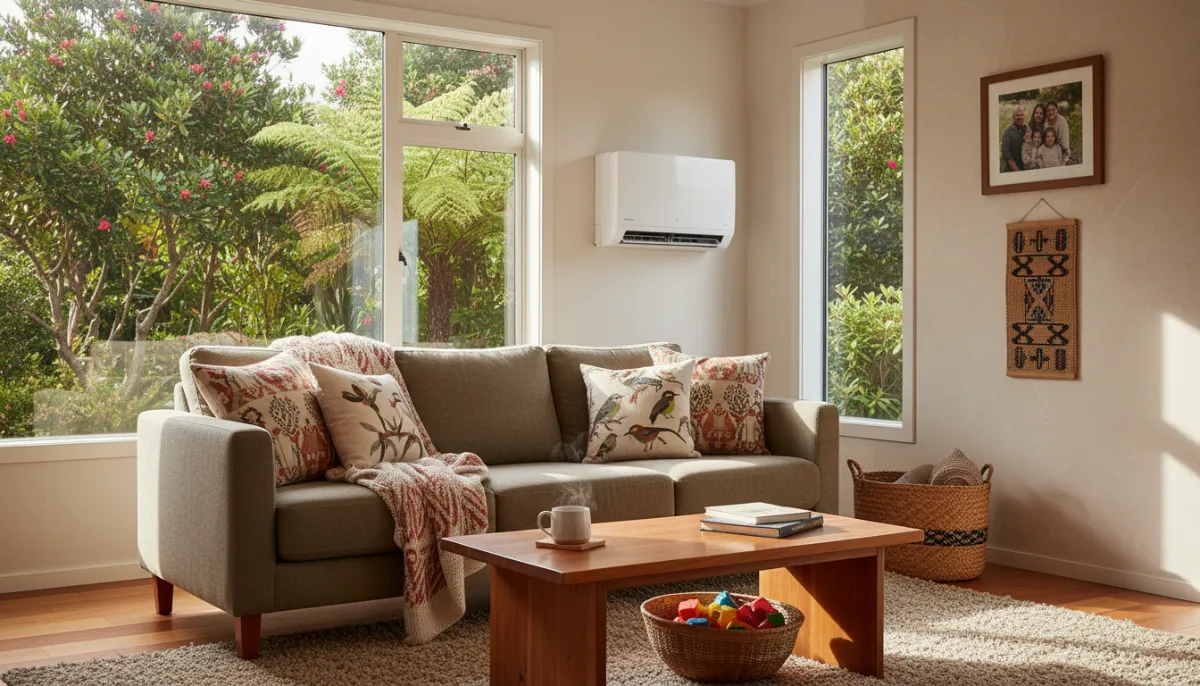
Landlords must ensure that a fixed heater is installed in the main living area capable of reaching 18°C on the coldest days of the year. Furthermore, subfloor and ceiling insulation must meet the 2008 Building Code or better in most circumstances.
- Ventilation: Kitchens and bathrooms must have extractor fans to prevent mold.
- Moisture Barriers: Rental properties with an enclosed subfloor space must have a ground moisture barrier.
- Draught Stopping: Landlords must block any unreasonable gaps or holes in walls, ceilings, windows, and doors.
Rent Increases, Bonds, and Financial Obligations
Can a landlord increase rent at any time?
No, the law is very specific regarding rent adjustments. Rent can only be increased once every 12 months. This applies to both periodic and fixed-term tenancies. Landlords must provide at least 60 days’ written notice of any increase.
When it comes to the bond, landlords can charge a maximum of four weeks’ rent. This money must be lodged with Tenancy Services within 23 working days of receipt. Failing to lodge a bond is an unlawful act that can result in exemplary damages being paid to the tenant.

Financial transparency is a core pillar of tenant rights NZ. You are entitled to a receipt for every payment made if you pay in cash, and you can request a statement of your rent record at any time. It is vital to keep these records for your own protection.
Maintenance, Repairs, and Landlord Access
Maintaining a property is a shared responsibility, but the primary burden of repair lies with the landlord. Tenants are responsible for keeping the property reasonably clean and tidy and informing the landlord of any damage or repairs needed as soon as possible.
If an urgent repair is required—such as a burst pipe or a broken toilet—and you cannot contact your landlord, you may be able to have the work done and be reimbursed. However, strict rules apply, and it is always best to attempt contact through all available channels first.
“Proactive communication is the key to maintaining a healthy landlord-tenant relationship. Always document your repair requests in writing to ensure there is a clear trail of evidence.”
- Inspections: These can happen no more than once every four weeks.
- Repairs: Landlords must provide 24 hours’ notice before entering for repairs.
- Emergency Access: Notice is not required in the event of an emergency, such as a fire or flood.
Ending a Tenancy: Notice Periods and Rights
The rules for ending a tenancy changed significantly in February 2021. Landlords can no longer end a periodic tenancy without a specific reason. Valid reasons include selling the property, the landlord moving in, or significant renovations being required.

For tenants, the notice period to end a periodic tenancy is 28 days. If you are on a fixed-term tenancy, it will automatically convert to a periodic tenancy at the end of the term unless both parties agree otherwise or notice is given under specific criteria.
Resolving Disputes: The Tenancy Tribunal
How do you resolve a dispute with the Tenancy Tribunal?
If a disagreement cannot be resolved through direct conversation, the next step is typically mediation via Tenancy Services. A mediator helps both parties reach a legally binding agreement without a formal hearing.
If mediation fails, the case proceeds to the Tenancy Tribunal. This is a court-like setting where an adjudicator hears evidence and makes a final decision. It is an affordable and accessible way for tenants to enforce their tenant rights NZ.

For more information on legal procedures, you can visit the Tenancy Services website or consult the Ministry of Justice.
Key Takeaways
- The tenant rights NZ framework is built on the Residential Tenancies Act 1986.
- Healthy Homes Standards are mandatory and ensure properties are warm and dry.
- Rent increases are limited to once every 12 months with 60 days’ notice.
- Bonds must be lodged with Tenancy Services within 23 working days.
- Landlords cannot end a periodic tenancy without a legally valid reason.
- The Tenancy Tribunal provides a pathway for resolving unresolved disputes.
Understanding your rights is essential for a peaceful living situation. By staying informed and documenting your interactions, you ensure that your home remains a sanctuary. For specific family support, consider contacting the Citizens Advice Bureau or local social services that specialize in housing advocacy.