Carer Support Allowance Guide
Est. Read Time: 12 mins | Last Updated: 22 December 2025 01:00 AM
The carer support allowance NZ is a vital government-funded subsidy designed to provide full-time, unpaid carers with a necessary break by reimbursing the costs of a relief carer for a set number of days per year. This financial assistance ensures that those providing around-the-clock care for family members with disabilities, mental health issues, or chronic illnesses can maintain their own wellbeing through scheduled respite, preventing burnout within the New Zealand domestic care ecosystem.

Understanding the Carer Support Allowance NZ
In the landscape of New Zealand’s social services, the carer support allowance NZ serves as a pillar for community-based care. Administered by Whaikaha – Ministry of Disabled People and Health New Zealand (Te Whatu Ora), it acknowledges the immense sacrifice of informal caregivers.
This allowance is not a wage; rather, it is a contribution toward the cost of hiring a substitute carer. Whether you are looking after a child with a profound disability or an elderly parent with dementia, this subsidy provides the breathing room required to sustain long-term caregiving duties.
“The strength of the New Zealand healthcare system relies heavily on the thousands of unpaid carers who provide support at home. The Carer Support Allowance is more than just a fiscal tool; it is a recognition of human dignity and the necessity of mental health breaks.”
- Allocated as a set number of days (usually between 12 and 28 per year).
- Requires a formal assessment by a NASC agency.
- Funds are specifically for ‘relief care’ and cannot be used for household chores or general bills.
- Managed under the Individualised Funding (IF) framework in many regions.
Who is Eligible for Carer Support Allowance NZ?
Eligibility for the carer support allowance NZ is not automatic. It is based on a rigorous assessment of the person being cared for, rather than the financial status of the carer themselves.
To qualify, the person you care for must have a disability that is likely to last more than six months and reduces their ability to function independently to the point where they require full-time care. This includes intellectual, physical, or sensory disabilities.

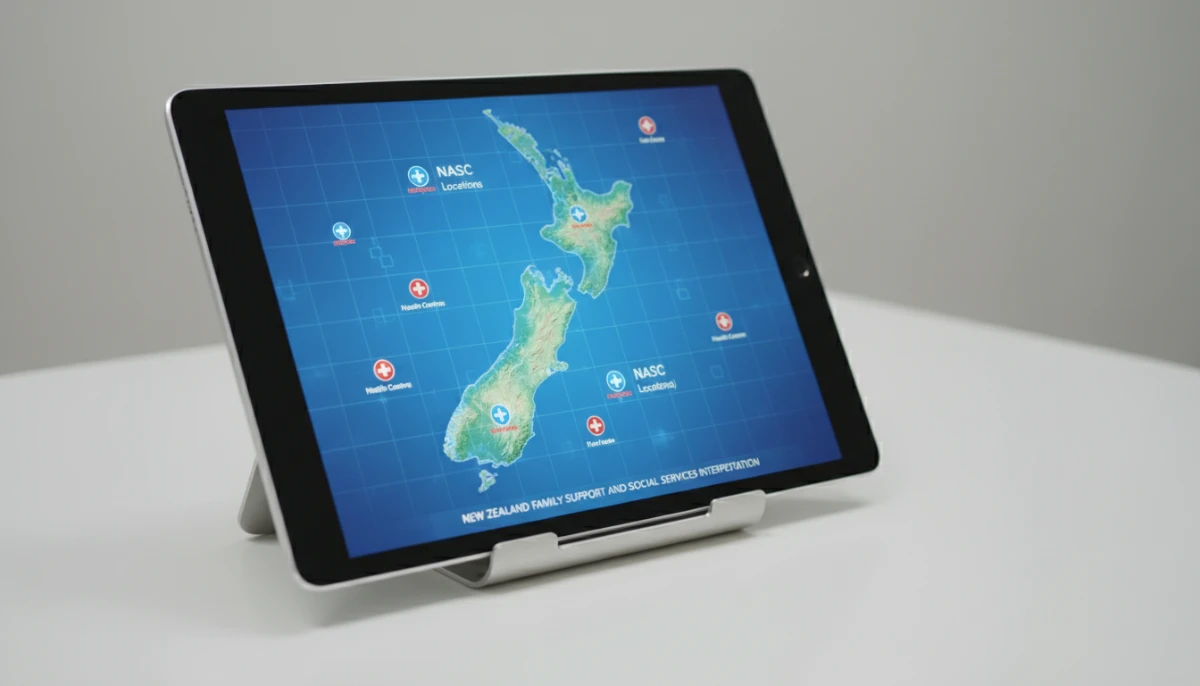
The assessment is carried out by your local Needs Assessment Service Coordination (NASC) organisation. They evaluate the complexity of the care required and determine the number of days of support allocated annually. This allocation is reviewed periodically to ensure it meets the evolving needs of the family unit.
Key LSI entities involved in this process include:
- Whaikaha – Ministry of Disabled People: The primary funding body for disability services.
- Health New Zealand (Te Whatu Ora): Manages support for those with age-related needs or chronic illnesses.
- Ministry of Social Development (MSD): While they handle the Supported Living Payment, they often coordinate with NASC for holistic care.
Current Rates and Funding Structures
As of late 2025, the daily rate for the carer support allowance NZ has been adjusted to reflect the rising cost of living and the fair wage requirements for support workers. It is important to note that the rate varies depending on whether the care is provided in-home or at a residential facility.
Generally, the subsidy covers a daily rate that is paid directly to the person providing the relief care. The carer (you) cannot be the person who receives the payment; it must be a third party, such as a friend, another family member (who does not live in the same house), or a professional support worker.

Bullet points for financial clarity:
- Daily Rate: Currently fixed at a standard rate for 24-hour periods.
- Payment Frequency: Reimbursed after the care has taken place.
- Tax Implications: The payment is generally considered a reimbursement and is not taxable for the primary carer, but the relief carer may need to declare it as income.
How do I claim Carer Support Allowance NZ payments?
Claiming the carer support allowance NZ involves a specific paper-based or digital workflow. Once you have been allocated days by your NASC, you will receive a booklet of claim forms (CS01).
After the respite care has occurred, both you and the relief carer must sign the form. This form is then mailed or uploaded to the relevant processing centre. In 2025, many regions have transitioned to the ‘MyWhaikaha’ portal, allowing for faster digital processing and direct credit to the relief carer’s bank account.
It is crucial to keep accurate records of when the care was provided. If you exceed your allocated days, the government will not cover the additional costs. Always check your remaining balance before booking respite services to avoid out-of-pocket expenses.
Types of Respite Care Available
The carer support allowance NZ is flexible in how it can be applied. Respite doesn’t always mean a facility; it can be tailored to the cultural and social needs of the family.

- In-Home Respite: A relief carer comes to your home so the person being cared for stays in a familiar environment.
- Community Respite: The person being cared for stays at a designated respite house or facility for a few days.
- Individualised Funding (IF): Allows for more flexible use of the subsidy, potentially including community activities or specialized camps.
For more information on authorized respite providers, you can visit Whaikaha – Ministry of Disabled People or consult the Health New Zealand website.
Frequently Asked Questions
Can a family member be my relief carer?
Yes, a family member can act as a relief carer and receive the carer support allowance NZ payment, provided they do not live in the same household as the person being cared for. This is a common arrangement in New Zealand to ensure culturally appropriate care (Whānau Ora).
What happens if my needs change?
If the condition of the person you care for deteriorates, you should request an urgent ‘Review of Needs’ from your NASC agency. They can increase the number of allocated support days to prevent carer fatigue.
Does the allowance cover equipment or transport?
No, the carer support allowance NZ is strictly for the cost of a person providing relief. Equipment, home modifications, and transport costs are handled under separate funding streams like the Lotteries Grants or Equipment and Modification Services (EMS).
Key Takeaways and Final Steps
Navigating the social services landscape can be daunting, but the carer support allowance NZ is a fundamental right for those dedicated to the care of others. By understanding the eligibility criteria and the claiming process, you can ensure you get the rest you deserve.
- Apply Early: NASC assessments can take several weeks; start the process before you reach burnout.
- Stay Organized: Keep your CS01 forms in a safe place and track your used days.
- Explore IF: Ask your coordinator about Individualised Funding for more control over your respite options.
- Prioritize Self-Care: Using your allowance is not a sign of weakness; it is a strategy for sustainable caregiving.
About the Expert
Dr. Alistair Graham is a Senior Health Policy Consultant based in Wellington, New Zealand. With over 20 years of experience in the NZ disability sector, Alistair has advised on the implementation of the Enabling Good Lives (EGL) framework and works closely with advocacy groups to improve the accessibility of social services for all Kiwis.