Sensory-Friendly Events Wellington
Est. Read Time: 9 mins | Last Updated: 22 December 2025 12:58 AM
Finding inclusive, low-stimulation activities can be a challenge for neurodivergent families, but the rise of sensory friendly events Wellington offers ensures that everyone, regardless of their sensory processing needs, can engage with the capital’s vibrant cultural scene in a safe and supportive environment. This guide explores how Aotearoa’s social services and event organisers are pivoting toward radical accessibility, ensuring that Te Whanganui-a-Tara remains a leader in inclusive community engagement.
The Rise of Sensory Friendly Events Wellington
Wellington is increasingly becoming a hub for neuro-diversity awareness. As more families seek out environments that accommodate sensory sensitivities, the demand for specialized event programming has surged.
Local organisations are moving beyond mere physical accessibility to embrace cognitive and sensory inclusion. This shift aligns with the goals of Whaikaha – Ministry of Disabled People, focusing on the “Enabling Good Lives” principles.
By reducing noise levels, dimming harsh fluorescent lights, and providing designated “chill-out zones,” Wellington is setting a national standard for social inclusion.
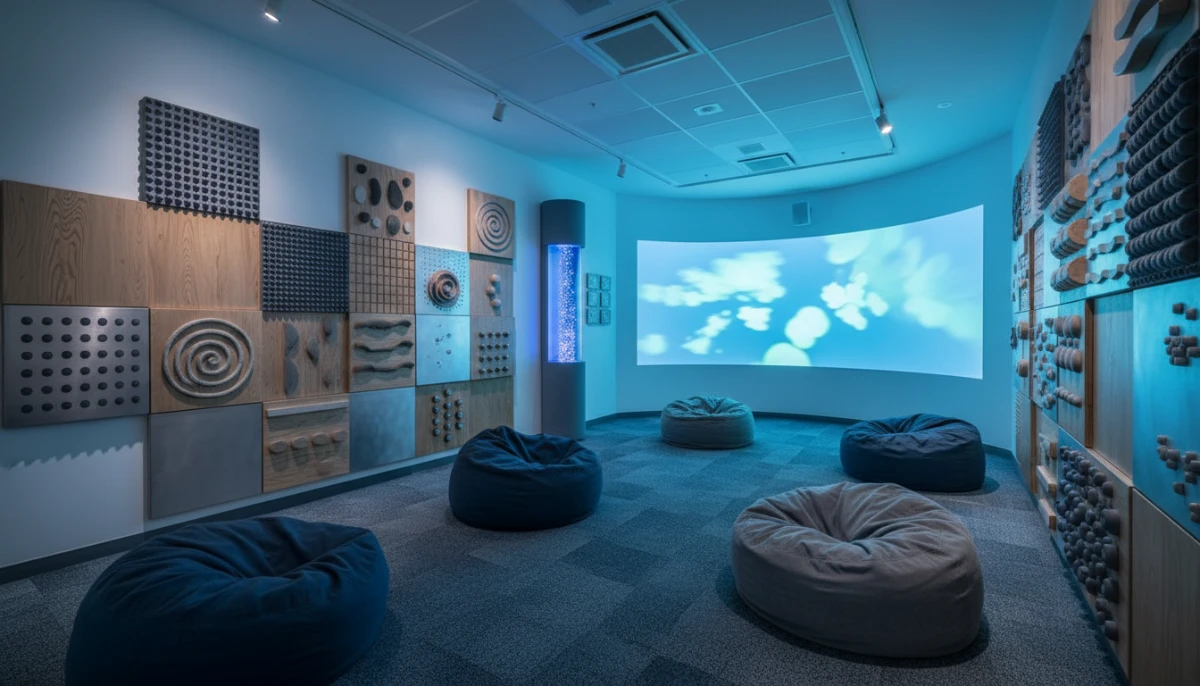
Community support groups emphasize that these events are not just about comfort; they are about fundamental human rights and social participation.
Whether it is a relaxed theater performance or a low-sensory morning at a gallery, these initiatives foster a sense of belonging for those who often feel excluded from the public square.
Wellington’s compact nature makes it ideal for implementing these strategies across various venues within walking distance.
Key Features of Sensory-Friendly Spaces
What exactly defines a space as sensory-friendly? It involves a holistic approach to environmental management that respects different ways of processing information.
Organisers typically implement “Low-Sensory Hours” where the usual hustle and bustle of a venue is intentionally dialed back.
- Sound Management: Turning off background music, silencing public address systems, and providing noise-cancelling headphones.
- Visual Comfort: Reducing glare, avoiding strobe lights, and utilizing natural light where possible.
- Predictability: Providing “Visual Stories” or “Social Scripts” before the event so attendees know exactly what to expect.
- Staff Training: Ensuring that frontline staff understand neurodiversity and can provide calm, effective assistance.
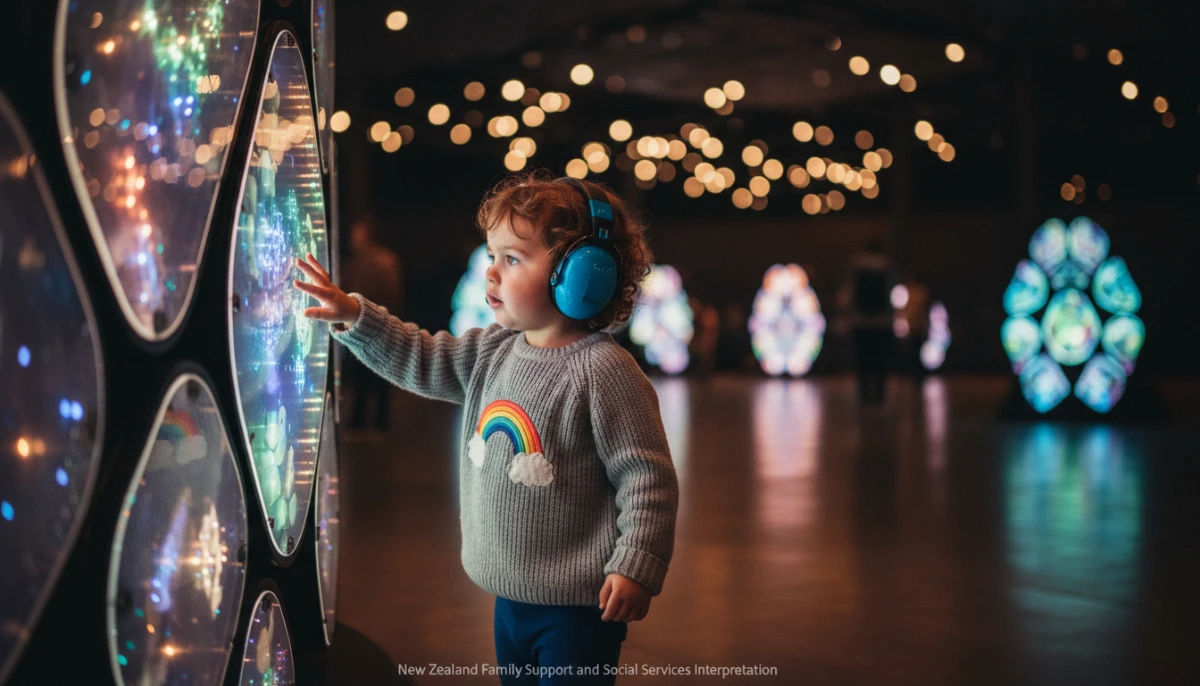
“Inclusion is not just about letting people in the door; it’s about making sure they can thrive once they are inside.” – Senior Accessibility Consultant, NZ Social Services.
These features are particularly vital for individuals with Autism Spectrum Disorder (ASD), ADHD, or sensory processing sensitivities.
In Wellington, venues like Te Papa and Capital E have been pioneers in integrating these features into their core programming.
By removing barriers to entry, these institutions ensure that the capital’s heritage is accessible to every citizen regardless of their sensory profile.
Top Wellington Venues for Inclusive Activities
If you are looking for specific locations, several Wellington landmarks have established themselves as leaders in the sensory-friendly space.
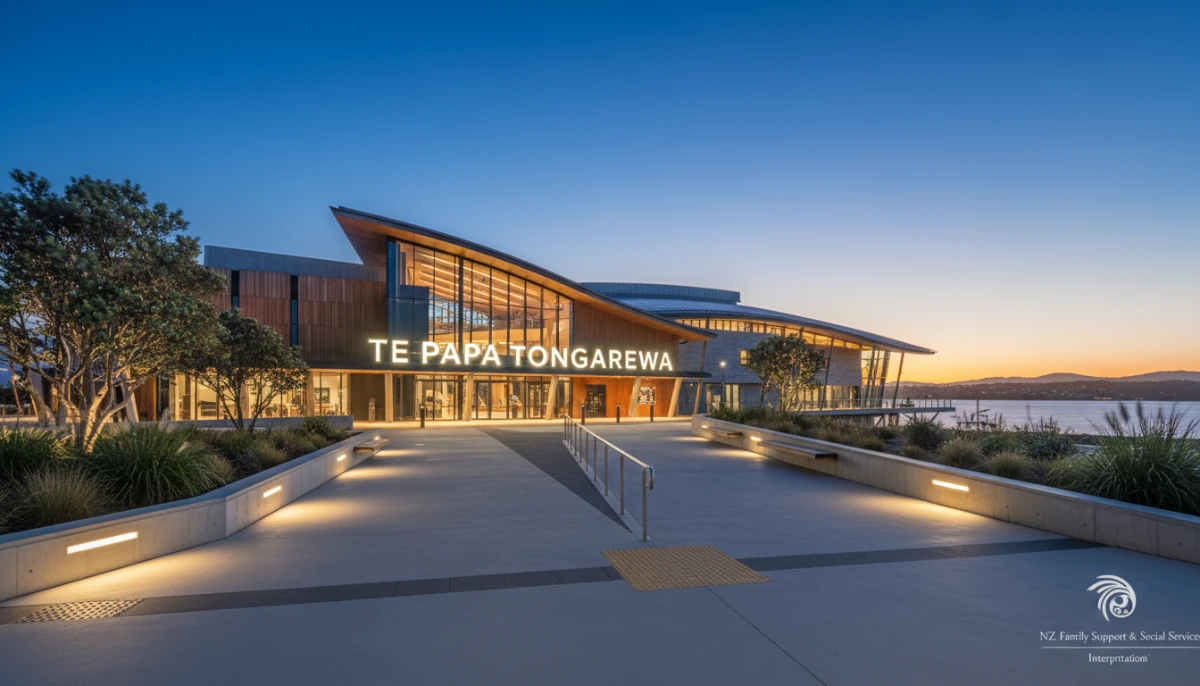
Te Papa Tongarewa: The national museum frequently hosts low-sensory sessions, allowing visitors to explore exhibitions without the usual crowds and noise.
Wellington City Libraries: Many branches offer quiet hours and sensory storytime sessions designed specifically for neurodivergent children.
Space Place at Carter Observatory: They offer sensory-friendly planetarium shows where the volume is lower and the dome lighting is kept partially on.
The Embassy Theatre: Occasionally hosts “Relaxed Screenings” where the lights are dimmed rather than turned off and guests are free to move around.
These venues collaborate closely with New Zealand family support services to ensure their offerings meet the evolving needs of the community.
Local councils are also providing grants to smaller event organisers to help them become more inclusive through the Wellington City Council’s Social Strategy.
How to Plan an Inclusive Local Event
Are you an event organiser in Wellington looking to make your next project more accessible?
Start by conducting a sensory audit of your venue. Identify potential triggers like loud hand dryers, bright LED screens, or crowded corridors.
- Consultation: Speak with neurodivergent individuals or advocacy groups during the planning phase.
- Marketing: Clearly label your event as “Sensory-Friendly” and provide a detailed sensory guide on your website.
- Flexibility: Allow for easy exits and provide a dedicated space for those who might become overwhelmed.
Small changes often make the biggest difference. For example, replacing a high-pitched alarm with a visual signal can drastically reduce anxiety for some attendees.
Wellington’s creative community is uniquely positioned to lead this change by integrating sensory considerations into artistic design from the outset.
Remember that inclusion is an ongoing process of learning and adapting based on community feedback.
Frequently Asked Questions
What are the best sensory-friendly events Wellington has for children?
The best events include Te Papa’s low-sensory mornings, Capital E’s creative workshops, and the sensory storytimes at Wellington City Libraries. These are specifically tailored for younger audiences with varying sensory needs.
How do Wellington venues implement sensory-friendly hours?
Venues typically schedule these hours during off-peak times, such as Sunday mornings. They reduce lighting, turn off atmospheric sounds, and limit ticket sales to prevent overcrowding, ensuring a calmer experience for everyone.
Where can I find a calendar for sensory events in New Zealand?
The best resources are the “What’s On” section of the Wellington City Council website, the Autism New Zealand events page, and local community Facebook groups dedicated to neurodiversity in Aotearoa.
Conclusion & Key Takeaways
Wellington is at the forefront of creating a more inclusive New Zealand. By prioritizing sensory friendly events Wellington, we ensure that our city’s cultural heart beats for everyone. From world-class museums to local libraries, the commitment to accessibility is transforming how we experience the capital.
- Key Takeaway 1: Sensory-friendly events focus on reducing environmental triggers like noise and bright lights.
- Key Takeaway 2: Major Wellington venues like Te Papa and the City Libraries are leaders in providing low-sensory experiences.
- Key Takeaway 3: Social services like Whaikaha and Autism NZ provide essential frameworks and support for these initiatives.
- Key Takeaway 4: Providing “Social Scripts” and visual guides is a best practice for event organisers to help attendees prepare.
- Key Takeaway 5: Inclusive events benefit the whole community by fostering a culture of empathy and understanding.
New Zealand Social Services and Support
The framework for supporting neurodivergent individuals in New Zealand is robust, involving both government and non-profit sectors.
Whaikaha – Ministry of Disabled People provides the overarching policy direction for disability services in Aotearoa.
Organisations like Autism New Zealand and IHC provide localized support, often helping to curate and promote sensory-friendly events in the Wellington region.
These services play a crucial role in interpreting the needs of families and communicating them to event planners and local government.
For more information on national standards, you can visit the Ministry of Health or the official Whaikaha website.
Interpretation services are also available for families from diverse linguistic backgrounds, ensuring that the message of inclusion reaches every corner of our society.