Neurodiversity Support: The Definitive Guide to Navigating Services in Aotearoa
Est. Read Time: 12 mins | Last Updated: 22 December 2025 12:51 AM
Finding the right neurodiversity support NZ provides is essential for families navigating the complexities of neurodevelopmental differences in Aotearoa. Neurodiversity support NZ refers to a range of clinical, educational, and social services designed to empower individuals with ADHD, Autism (Takiwātanga), Dyslexia, and other neurological differences to thrive within the New Zealand community through customized interventions and systemic advocacy.
In recent years, the landscape of social services in New Zealand has shifted significantly. With the establishment of Whaikaha – Ministry of Disabled People, the focus has moved toward a social model of disability, prioritizing the mana and autonomy of the neurodivergent individual.
This guide serves as your architectural blueprint for understanding what is available, how to qualify for funding, and where to find community-led expertise.
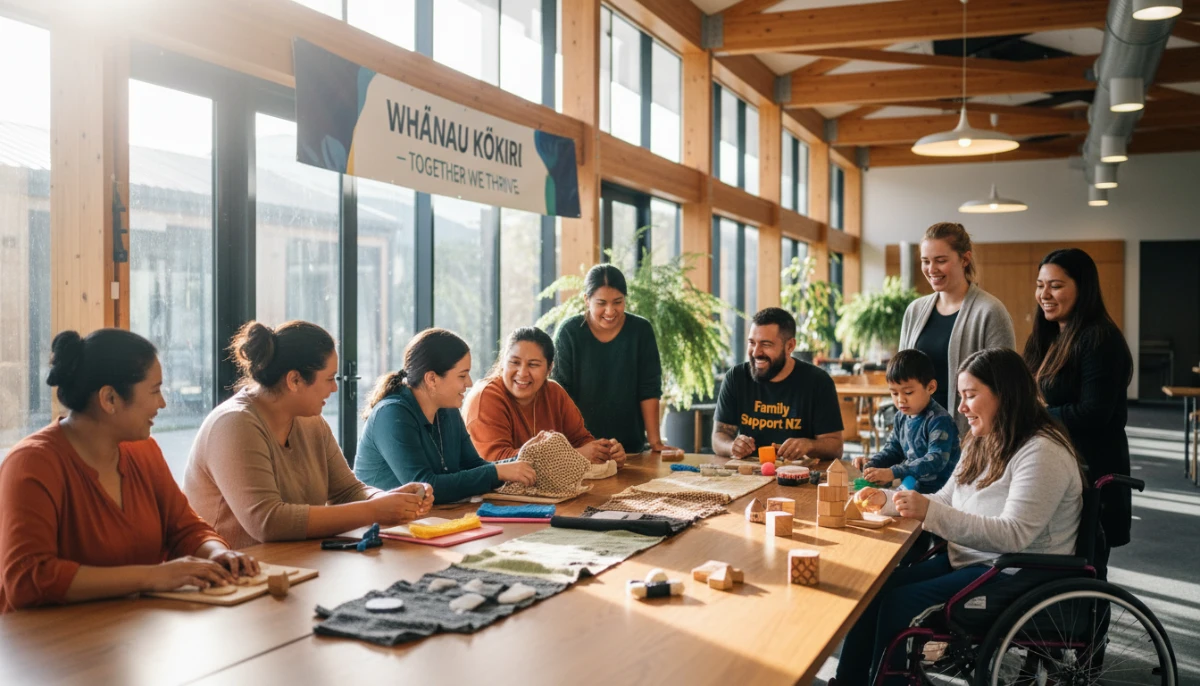
What is Neurodiversity Support NZ?
The term neurodiversity support NZ encompasses the holistic network of state-funded and private services that cater to the diverse brains of New Zealanders. This includes everything from early intervention for toddlers to specialized workplace coaching for adults.
Key organizations such as Autism New Zealand, ADHD NZ, and the Dyslexia Foundation of New Zealand provide the groundwork for grassroots support. These entities work alongside government agencies to ensure that neurodivergent individuals are not just supported, but celebrated for their unique perspectives.
- Diagnostic Services: Both public DHB pathways and private clinical psychologists.
- Wraparound Services: Support that integrates health, education, and social care.
- Peer Support Groups: Community-led initiatives like ‘Altogether Autism’.
- Advocacy: Legal and social representation to ensure rights under the UN Convention on the Rights of Persons with Disabilities.
- Sensory Services: Access to occupational therapists specializing in sensory processing.
The New Zealand market is unique due to the integration of Te Ao Māori perspectives. Concepts like Takiwātanga (the Māori term for Autism, meaning ‘in his or her own time and space’) highlight a cultural shift towards acceptance and patience.
Clinical Pathways and Diagnoses
Navigating the diagnostic journey for neurodiversity support NZ can be challenging. In the public system, waitlists for pediatricians and specialists can be long, often exceeding six to twelve months depending on the region.
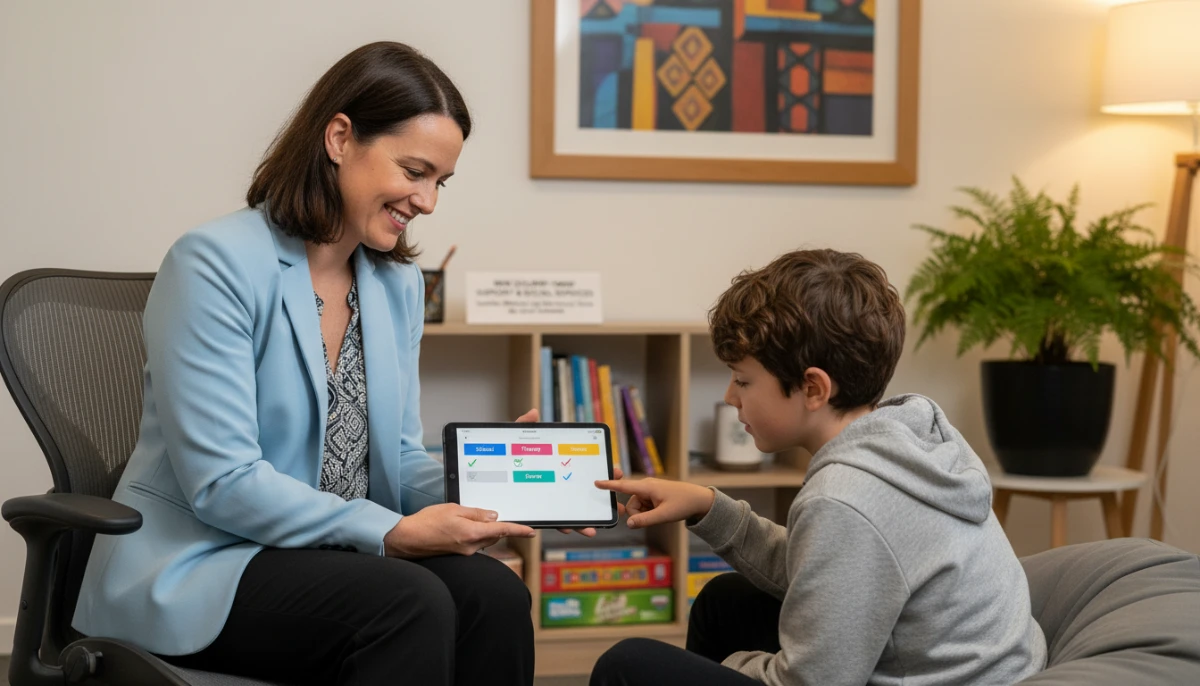
“The goal of a diagnosis in New Zealand is not to label a child as ‘broken,’ but to unlock the funding and educational resources they are legally entitled to receive under our social services framework.” — Senior Clinical Psychologist, Auckland.
Private assessments offer a faster alternative but come with significant out-of-pocket costs. Many New Zealanders use health insurance or apply for a Disability Allowance through Work and Income (WINZ) to help offset these professional fees.
Once a diagnosis is secured, the ‘Referral to Needs Assessment and Service Coordination’ (NASC) becomes the critical next step. This process determines the level of government-funded support an individual will receive for their daily living.
How do I access neurodiversity support NZ for my child?
Accessing support begins with a multi-step process that starts in your local community. Your primary care provider (GP) is the gatekeeper for public health referrals. It is vital to present a clear log of sensory or developmental concerns to expedite this process.
Beyond the medical system, Whaikaha – Ministry of Disabled People is the primary agency for long-term support. They manage the transition of services and ensure that the person-directed model is upheld.
- Step 1: Visit your GP for a specialist referral.
- Step 2: Contact your regional NASC agency (e.g., Taikura Trust in Auckland).
- Step 3: Undergo a Needs Assessment to identify life goals and support requirements.
- Step 4: Determine your funding model (e.g., Individualised Funding or managed services).
New Zealand is unique in its offering of ‘Carer Support.’ This is a subsidy that helps the primary caregiver take a break while the neurodivergent individual is cared for by a friend or another family member, maintaining community ties.
What financial assistance is available for neurodivergent individuals in New Zealand?
Financial neurodiversity support NZ is primarily delivered through Work and Income (WINZ) and Whaikaha. The most common form of assistance is the Child Disability Allowance, which is a non-taxable fortnightly payment made to the caregiver of a child with a serious disability.
For adults, the Supported Living Payment may be available if their condition significantly limits their ability to work more than 15 hours a week in open employment. Additionally, the Disability Allowance can cover ongoing costs like therapy, specialized equipment, or even extra heating costs for those with sensory regulation needs.
The Ministry of Education also provides the Ongoing Resourcing Scheme (ORS) for students with the highest needs. This funding follows the student through their schooling years, providing teacher aide time and specialist intervention from Speech-Language Therapists or Psychologists.
How can workplaces improve neurodiversity support NZ for employees?
Adults in the workforce are increasingly seeking neurodiversity support NZ as they realize their professional struggles may be linked to undiagnosed ADHD or Autism. Employers in Aotearoa are legally required to make ‘reasonable accommodations’ under the Human Rights Act 1993.

Improving workplace support involves more than just physical changes. It requires a shift in management styles. Using clear, concise instructions and avoiding ambiguous social cues can significantly reduce anxiety for neurodivergent staff members.
- Sensory Adjustments: Providing noise-canceling headphones or dimmable lighting.
- Flexible Work: Allowing for remote work or non-traditional hours to avoid peak-hour sensory overload.
- Task Management: Using digital tools like Trello or Monday.com to provide visual structure to tasks.
- Training: Investing in neuro-inclusion workshops for HR and leadership teams.
Organizations like ‘Workbridge’ specialize in connecting neurodivergent job seekers with inclusive employers across New Zealand, ensuring that the transition into the workforce is sustainable and supported.
Frequently Asked Questions about Neurodiversity Support NZ
Providing clarity on the most common queries regarding services in the New Zealand market.
Is a formal diagnosis required for school support?
While a formal diagnosis helps, the Ministry of Education focuses on ‘learning needs.’ Schools can often provide tier-one interventions and learning support without a formal clinical label, though ORS funding usually requires medical documentation.
What is Individualised Funding (IF)?
IF is a mechanism where the person (or their family) manages their disability budget directly. This allows you to hire your own support workers—including friends or family in some cases—giving you maximum flexibility over your neurodiversity support NZ journey.
Are there support groups for parents in rural NZ?
Yes, many organizations offer ‘Parent to Parent’ networks that operate via Zoom or local community halls in rural areas like Northland, the West Coast, and Southland to ensure no family is isolated.
Conclusion: Building an Inclusive Aotearoa
Neurodiversity support NZ is a rapidly evolving field. As our understanding of the human brain grows, so too does our capacity to build systems that honor different ways of thinking and being. By leveraging the available government funding, seeking community advocacy, and pushing for inclusive education and workplaces, we can ensure every neurodivergent New Zealander has the opportunity to shine.
Key Takeaways
- Start Early: Early intervention is key; talk to your GP at the first sign of developmental differences.
- Know Your Rights: Familiarize yourself with Whaikaha and the Ministry of Education’s inclusion policies.
- Seek Community: Join peer-led groups like Autism NZ or ADHD NZ for localized expertise and emotional support.
- Leverage Funding: Apply for the Child Disability Allowance and explore Individualised Funding options.
- Advocate: Don’t be afraid to ask for workplace or school accommodations—they are often legally protected rights.