Register for Free School Lunches
Est. Read Time: 10 mins | Last Updated: 22 December 2025 12:44 AM
To register for free school lunches in New Zealand, families should first verify if their child’s school participates in the Ka Ora, Ka Ako programme, as the Ministry of Education automatically provides meals to all students in eligible high-priority schools without requiring an individual application process. This initiative is designed to reduce food insecurity and ensure that every learner has the fuel they need to succeed in the classroom.
How to register for free school lunches?
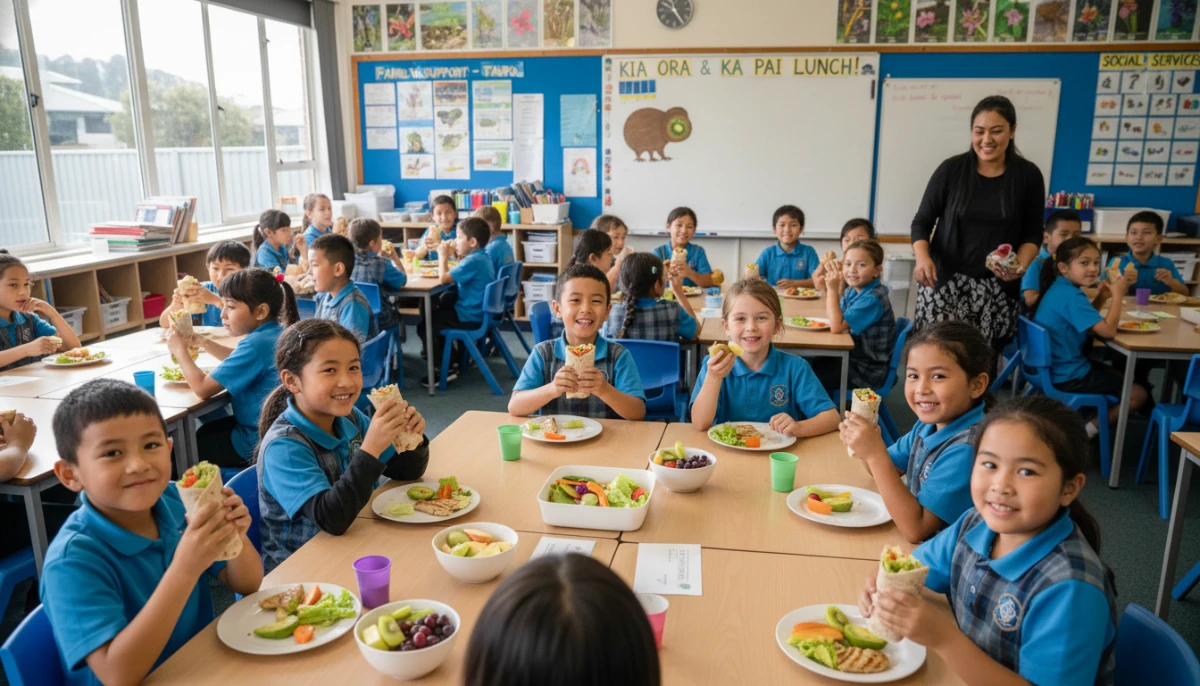
Unlike many other social support services, the process to register for free school lunches is managed at a school-wide level. If you are a parent or caregiver, you do not need to fill out a central government form for your individual child.
Instead, the Ministry of Education identifies schools that face the greatest socioeconomic challenges. Once a school is invited into the programme and accepts, every student enrolled at that school is eligible to receive a free, healthy lunch every day. If your child is moving to a new school, you should ask the school office during the enrollment process if they are a participating Ka Ora, Ka Ako provider.
For families in transition or those moving into areas with high Equity Index ratings, simply enrolling your child in a participating school is all that is required. The school will usually ask for any dietary requirements or allergies through their standard health and safety forms.
- Contact your school office directly.
- Check the official Ministry of Education list of participating schools.
- Update your child’s allergy information with the school nurse.
- Ensure your current contact details are on file for programme updates.
What schools are eligible for the lunch programme?
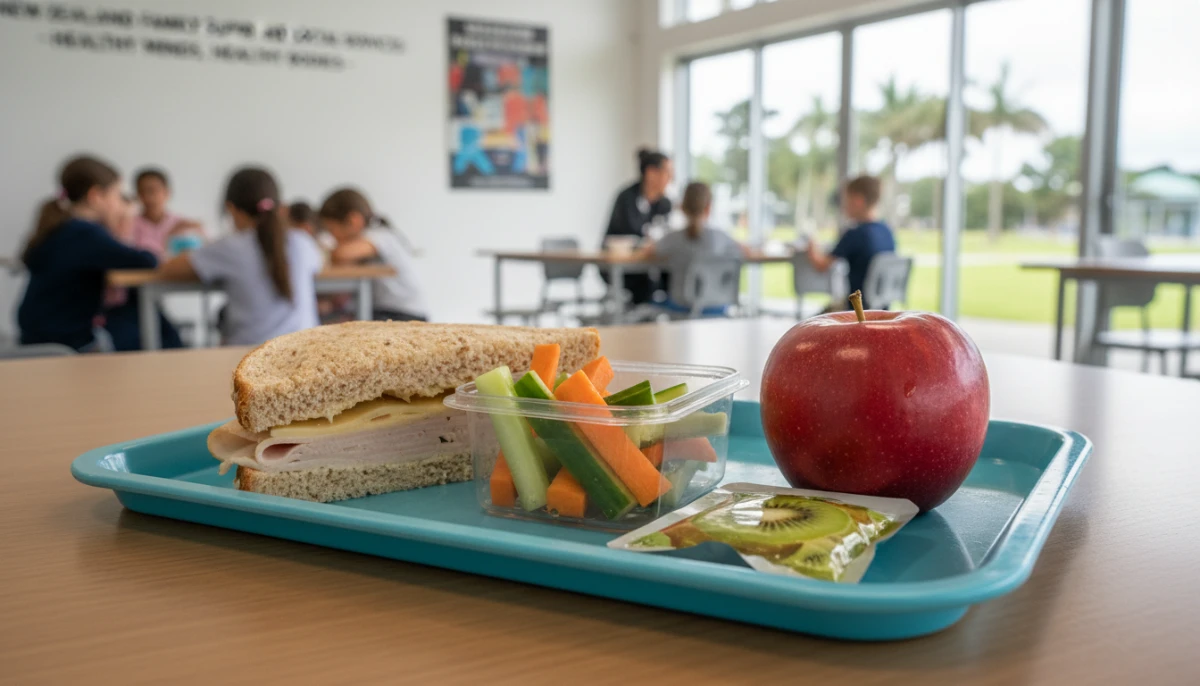
Eligibility for the free school lunch programme is determined by the Equity Index (EQI). The EQI replaced the old decile system to provide a more accurate measure of the socioeconomic barriers facing students. Schools with a higher EQI score—meaning they serve communities with greater challenges—are prioritised.
As of late 2025, the programme has expanded significantly, yet it remains targeted. The government focuses on the top 25% of students facing the most barriers to education. If your school is not currently eligible, local community trusts and charities often fill the gap, but they operate independently of the national Ka Ora, Ka Ako scheme.
“The goal of the school lunch programme isn’t just about filling stomachs; it’s about removing a significant barrier to learning. When a child isn’t hungry, their cognitive capacity to engage with the New Zealand Curriculum increases exponentially.” — Expert Insight, NZ Education Review
Understanding Ka Ora, Ka Ako: Healthy School Lunches
The Ka Ora, Ka Ako programme was named to reflect the concept of being healthy and well (Ka Ora) so that one can learn (Ka Ako). Since its inception, it has served millions of meals across Aotearoa. The programme is a cornerstone of the Child and Youth Wellbeing Strategy.
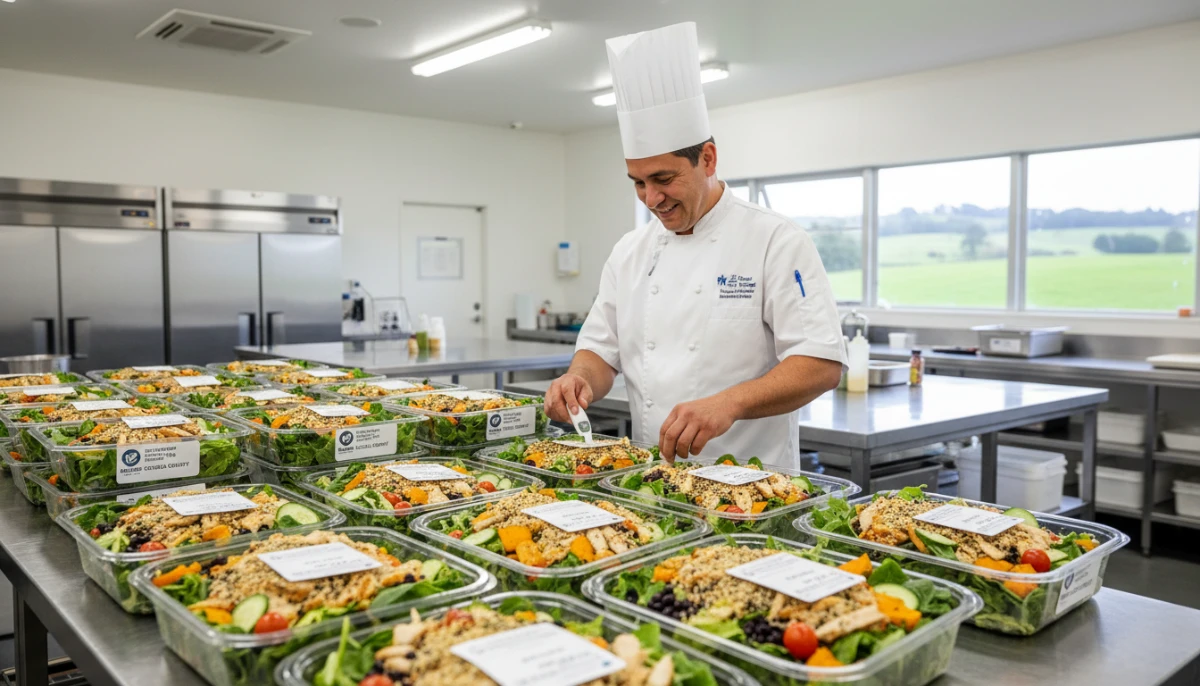
The delivery models vary by school. Some schools have internal kitchens where staff prepare meals on-site, providing employment for local parents. Other schools use external suppliers who deliver pre-packaged nutritious meals daily. Regardless of the model, the focus remains on locally sourced ingredients and minimizing environmental waste.
Strict Nutritional Standards and Menus
When you register for free school lunches through school enrollment, you can be assured the food meets strict guidelines. The Ministry of Health and Ministry of Education have collaborated to ensure meals are low in saturated fat, sugar, and salt.
Typical menus include:
- Whole-grain wraps with lean protein and salad.
- Warm pasta dishes with hidden vegetable sauces.
- Fresh seasonal fruit (apples, mandarins, or bananas).
- Vegetable sticks with hummus or low-fat dairy dips.
These menus are designed to be culturally responsive. In regions with high Māori or Pasifika populations, schools often incorporate traditional foods like hāngī-style steamed vegetables or taro, provided they meet the nutritional criteria.
Search Intent: Frequently Asked Questions
Can I opt-out if my school offers the programme?
Yes. While the programme is universal within participating schools, parents have the right to opt-out if they prefer to provide their own lunches. However, the majority of parents find the programme provides a significant financial relief of approximately $25-$35 per child, per week.
Does the programme run during school holidays?
Generally, Ka Ora, Ka Ako only operates during the school term. During holidays, families are encouraged to reach out to Work and Income (WINZ) or local food banks if they require additional nutritional support. You can find more information on the Ministry of Education website.
Are dietary requirements like Halal or Vegan catered for?
Absolutely. When you register for free school lunches (via school enrollment), the school will ask for specific dietary needs. Suppliers are required to provide alternatives for students with allergies (such as gluten-free or nut-free) and religious dietary requirements (such as Halal).
Conclusion & Key Takeaways
The initiative to provide free school lunches is a transformative policy for New Zealand families. By removing the daily stress of meal preparation and the financial burden of grocery shopping, it allows parents to focus on other aspects of their children’s upbringing. Remember that the easiest way to access this benefit is to check your school’s status and ensure your child’s enrollment details are current.
Key Takeaways
- Automatic Registration: Individual registration forms are not usually required; schools join the programme based on the Equity Index.
- Universal Access: In participating schools, every student is eligible for a free lunch, regardless of household income.
- Nutritionally Balanced: All meals must meet strict healthy eating guidelines set by the Ministry of Health.
- Financial Relief: The programme saves families an estimated $1,200+ per child per year.
- Cultural Inclusion: Menus are often tailored to the local community’s cultural and dietary needs.
About the Expert
Hone Tāne is a Senior Education Policy Consultant based in Wellington, Aotearoa New Zealand. With over 15 years of experience in social services interpretation and educational equity, Hone has worked closely with the Ministry of Education to evaluate the impact of the Ka Ora, Ka Ako programme on student attendance and engagement.