Community Pantry Locations
Finding community pantries near me is becoming a priority for many New Zealand families navigating the rising cost of living and seeking to reduce food waste through community-led sharing initiatives. These Pātaka Kai (food storehouses) operate on the principle of ‘take what you need, leave what you can,’ providing a vital safety net that fosters manaakitanga (hospitality and care) within our diverse neighborhoods from Northland to Southland.
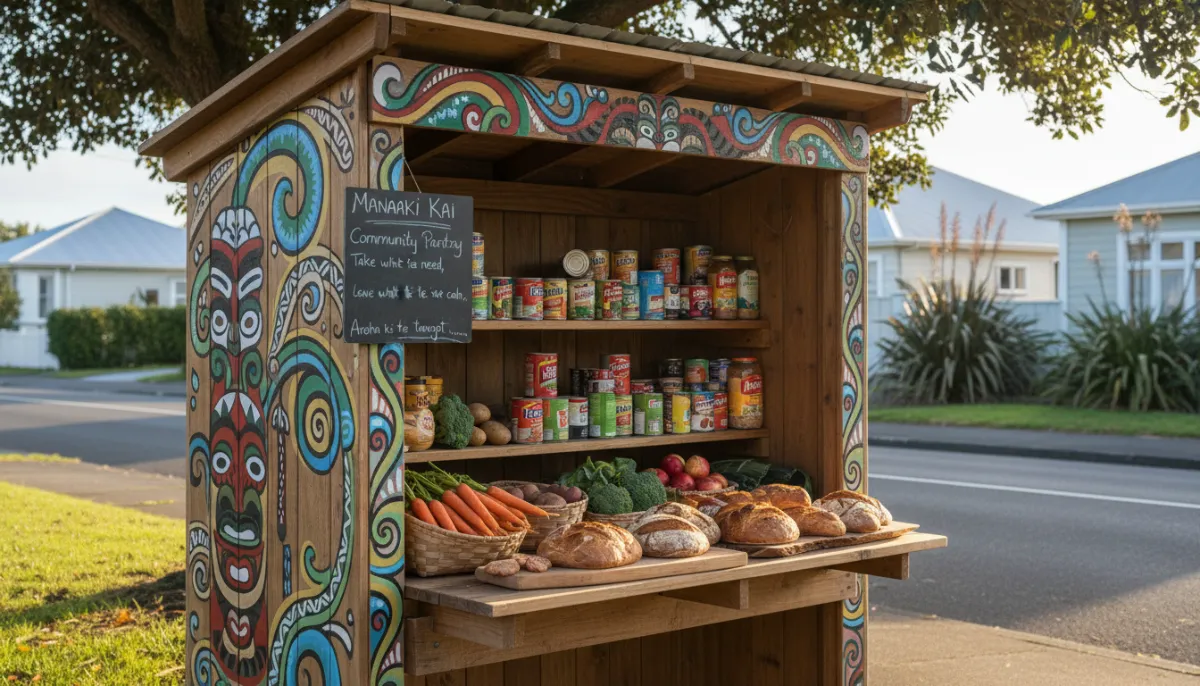
Why Searching for community pantries near me Matters in New Zealand
The concept of the community pantry has evolved rapidly in Aotearoa. What started as a few informal ‘sharing sheds’ has grown into a sophisticated national network of Pātaka Kai.
In the current economic climate, food insecurity affects a broad demographic of New Zealanders. These pantries provide immediate, barrier-free access to nutrition without the stigma often associated with traditional welfare queues.
Moreover, these locations are hubs for sustainability. By redirecting surplus garden produce and supermarket ‘best-before’ items, they play a critical role in the circular economy of our local regions.
“The Pātaka Kai movement is more than just food; it is about restoring dignity to our communities and ensuring that no one goes hungry while our land produces so much abundance.” — Community Leader, NZ Food Sovereignty Project.
- Reduces local food waste significantly.
- Strengthens neighborhood social ties.
- Provides 24/7 access to emergency food supplies.
- Encourages the sharing of home-grown organic produce.
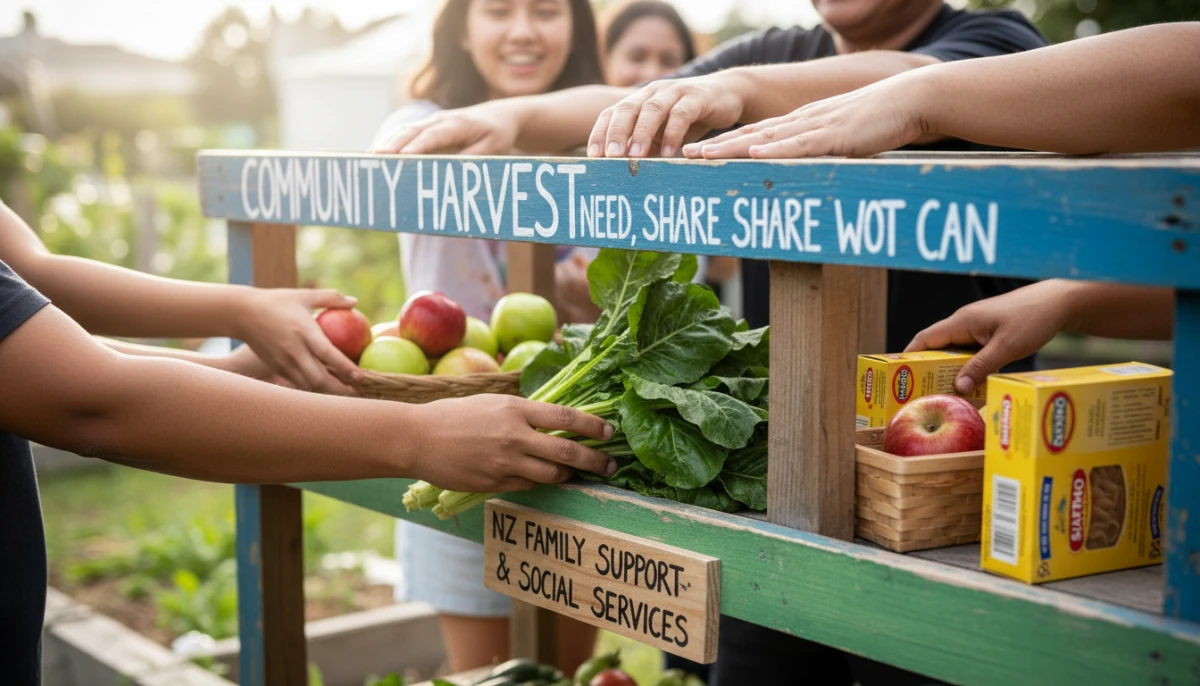
How do I find a Pātaka Kai or community pantry in my suburb?
When you are looking for community pantries near me, the most reliable starting point is the official Pātaka Kai Open Street Map. This volunteer-led initiative tracks hundreds of locations across New Zealand.
Social media platforms, particularly Facebook Groups, are the second most effective tool. Searching for terms like “Community Fruit and Veg” or “Sharing Shed [Your Suburb Name]” will often yield real-time locations and stock updates.
Local councils often provide directories of social services. For instance, the Ministry of Social Development (MSD) website provides links to regional food banks which often operate alongside smaller street-side pantries.
In rural areas, these pantries are often located near community halls, churches, or primary school gates. Keeping an eye out for the distinct wooden structures while driving through your township is a traditional but effective method.
What items are typically available in New Zealand food stalls?
The variety found in community pantries reflects the seasonal nature of New Zealand’s climate. During summer, you might find an abundance of stone fruit and citrus.
Common non-perishable staples include dried pasta, tinned tomatoes, breakfast cereals, and flour. These are often provided by ‘Food Rescue’ organizations that collect excess stock from major supermarket chains.
Hygiene products are also frequently stocked. Items such as soap, toothbrushes, and menstrual products are highly valued and often the first to be taken by those in need.
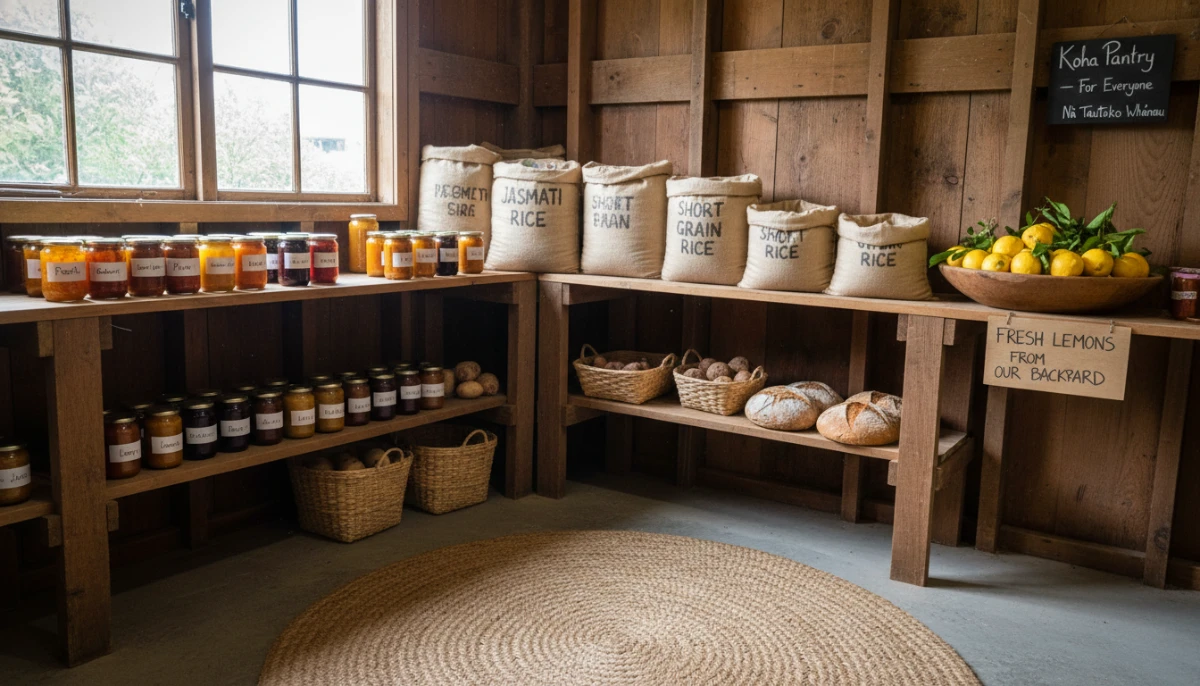
- Fresh seasonal fruit (Feijoas, Lemons, Apples).
- Canned proteins (Tuna, Baked Beans).
- Household basics (Toilet paper, Dish soap).
- School lunch supplies (Muesli bars, Fruit cups).
How can I donate or contribute to a local food shelf?
Contributing to a community pantry is one of the most direct ways to help your local neighborhood. The general rule is: ‘Give what you would be happy to eat yourself.’
Ensure that all canned goods are within their use-by dates and that packaging is intact. Avoid donating home-cooked meals unless the pantry has a specific license for prepared foods, as this can raise health and safety concerns.
If you are a gardener, donating your ‘gluts’—such as an overabundance of courgettes or tomatoes—is highly encouraged. Research from the University of Otago suggests that fresh produce is often the most requested item in low-income areas.
Financial donations are usually better directed toward larger organizations like the Auckland City Mission or The Salvation Army, as they have the infrastructure to purchase in bulk at lower costs.
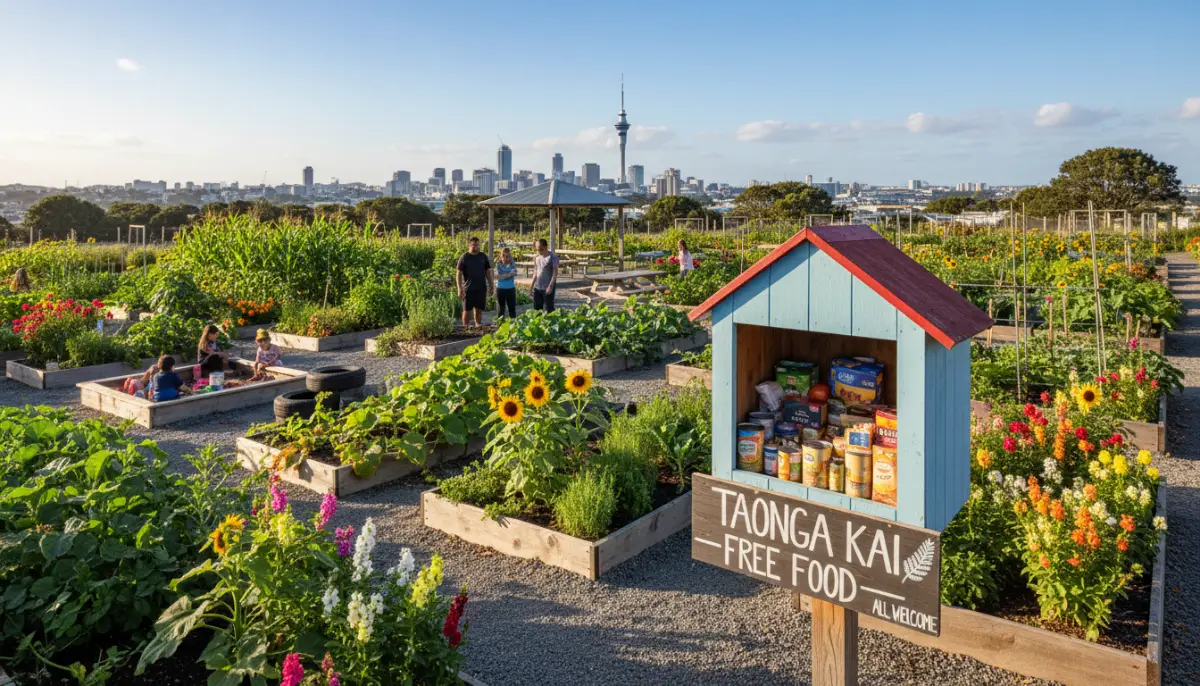
Regional Breakdown: Auckland to Dunedin
In Auckland, the network is particularly dense in areas like South Auckland and West Auckland, where ‘Kai Avondale’ and similar collectives lead the way. These locations often feature refrigerated units for dairy and meat.
Wellington’s hilly suburbs host many ‘Free Stores’ and sharing shelves, often supported by the high concentration of eco-conscious student and professional populations. The focus here is often on high-quality surplus from local cafes.
In the South Island, particularly Christchurch, the post-earthquake culture of ‘Gap Filler’ projects has led to innovative community pantry designs, often integrated into public parks and community centers.
- Northland: Focus on kumara and local produce sharing.
- Bay of Plenty: Strong church-led pantry networks.
- Canterbury: Integration with community gardens and urban farms.
About the Expert: Aroha Thompson
Aroha Thompson is a Social Policy Analyst and Community Advocate based in Wellington, Aotearoa New Zealand. With over 15 years of experience working alongside the Ministry of Social Development and various non-profit food rescue organizations, Aroha specializes in food security and community-led development. She holds a Master’s degree in Social Sciences from Victoria University of Wellington and is a frequent contributor to national dialogues on the cost of living.
Key Takeaways
- Accessibility: Community pantries provide 24/7, no-questions-asked food support across NZ.
- Pātaka Kai: Look for this name to find indigenous-led food sharing networks.
- Contribution: Always check ‘best before’ dates before donating to ensure safety.
- Sustainability: Using these pantries helps reduce the millions of tonnes of food waste NZ produces annually.
- Connection: Beyond food, these locations build stronger, more resilient local communities.